Deal Between Iran & US: What They Gain & Why It's a Tightrope
The new deal between Tehran and Washington gives both sides a way to call a win but still leaves a heavy price tag on the next 60 days.
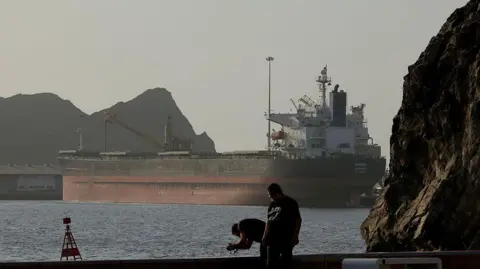
For Iran, the ceasefire lets the country keep its leadership in power, allows the Strait of Hormuz to open for global trade and promises aid for rebuilding—yet critics fear the deal will force concessions on the enriched uranium issue, a hard‑ball on the country’s nuclear program.
The US gains a drop in oil prices worldwide, a quick end to the $1.6 trillion a year cost of the war and a dance between Tehran and its allies that could press Iranians to negotiate.
Both sides are under pressure: Washington must prove the deal delivers a real stop‑gap while Trump faces GOP criticism over the $300 billion reconstruction pledge, and Iran’s hardliners accuse leaders of selling a pact that could look like a surrender.
The hard work lies ahead—what happens in the next two months may decide whether the ceasefire holds and the deal slides into a final agreement or collapses again.