Dozens of Ships Race Through Hormuz After US‑Iran Deal
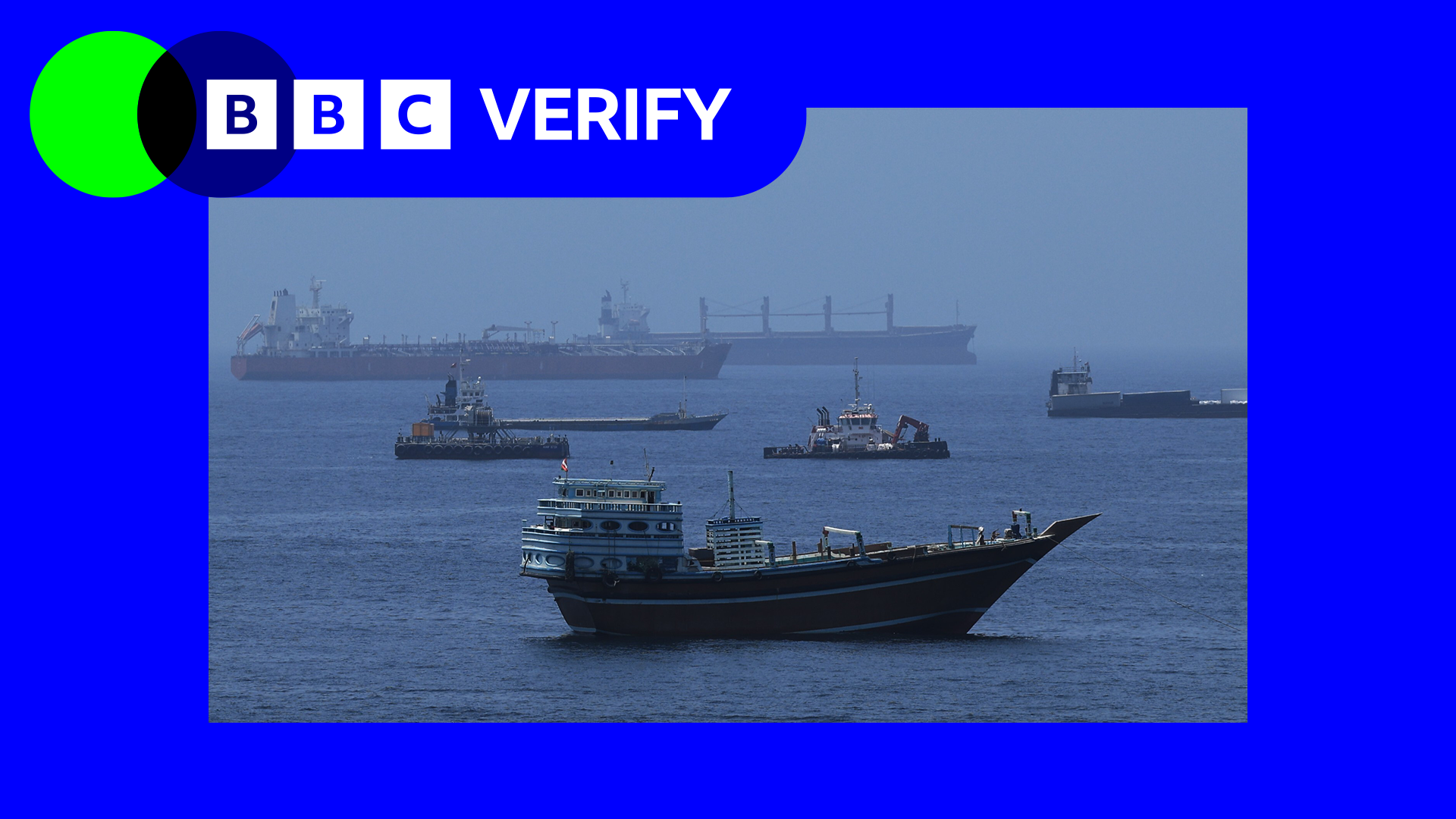
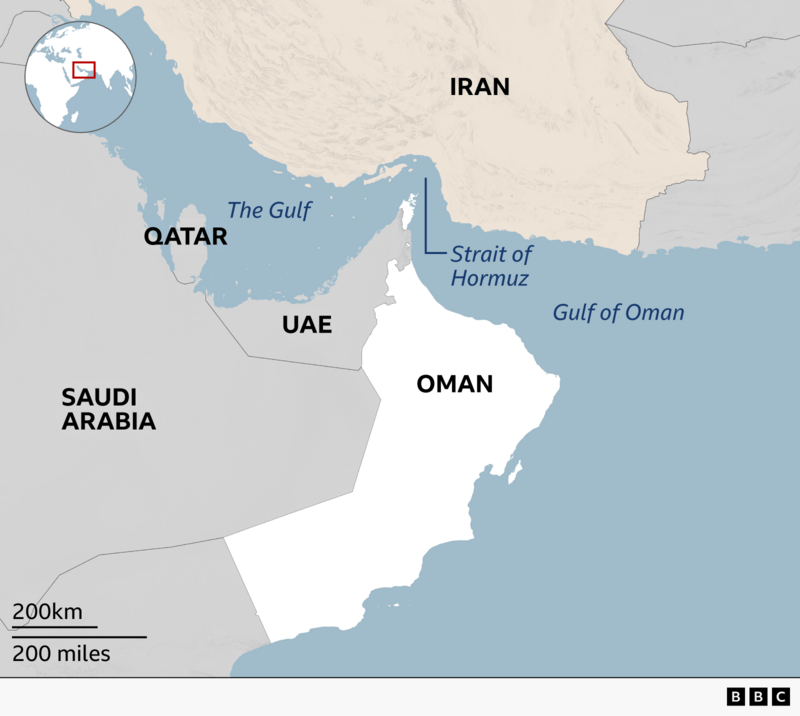
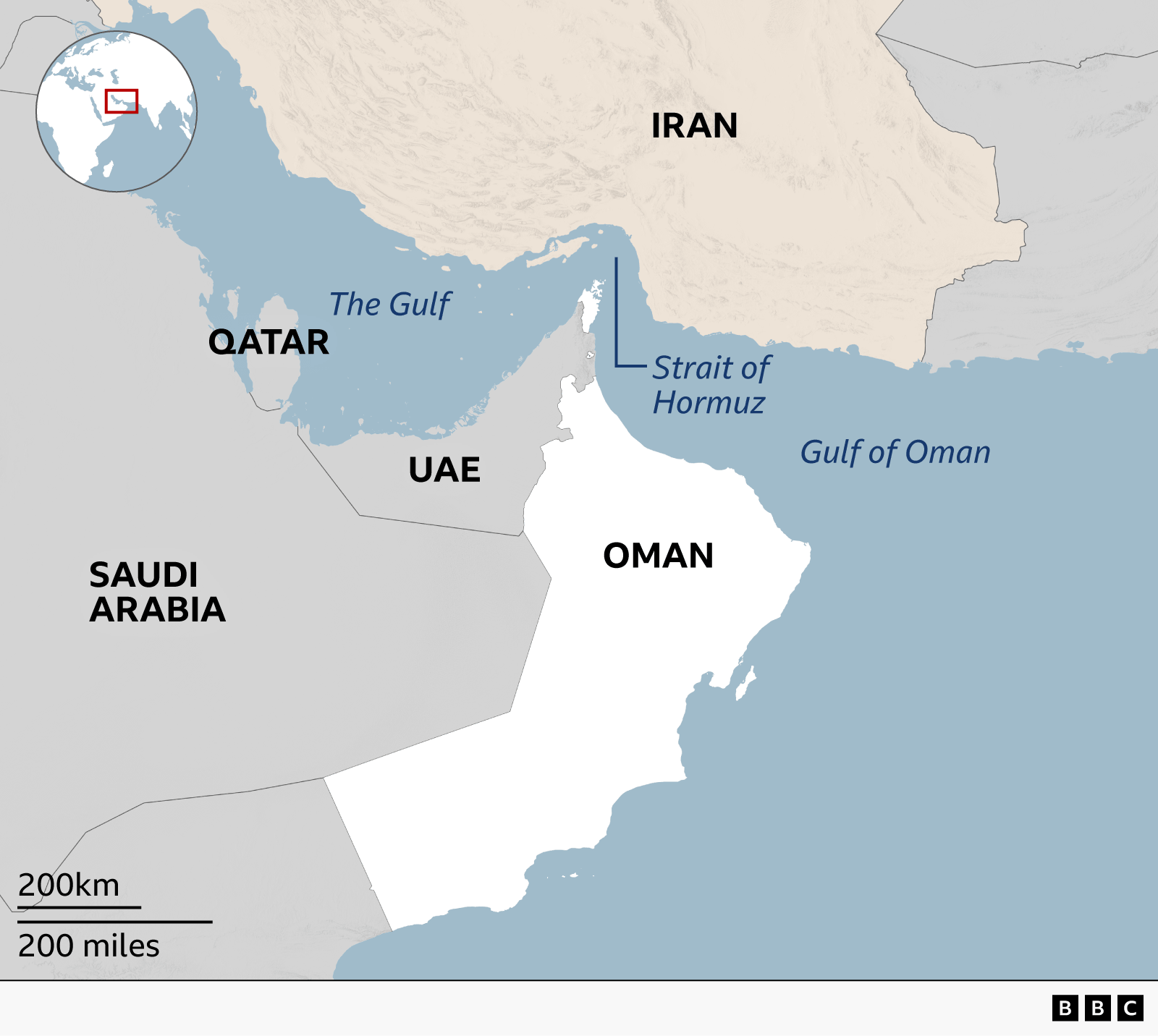
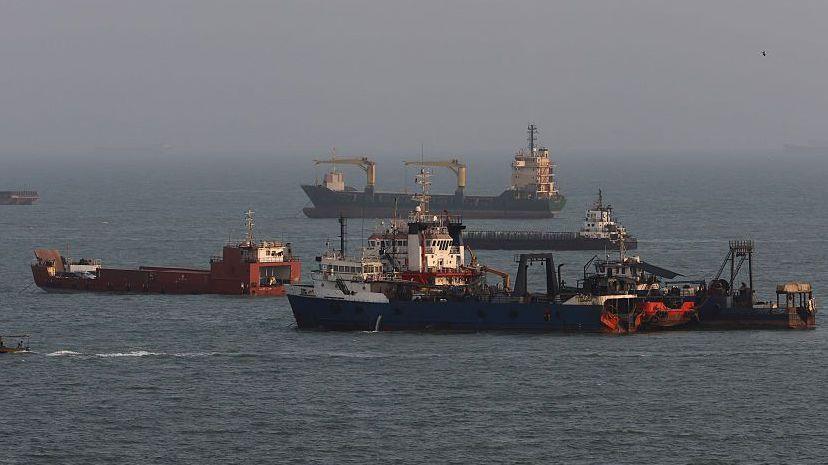
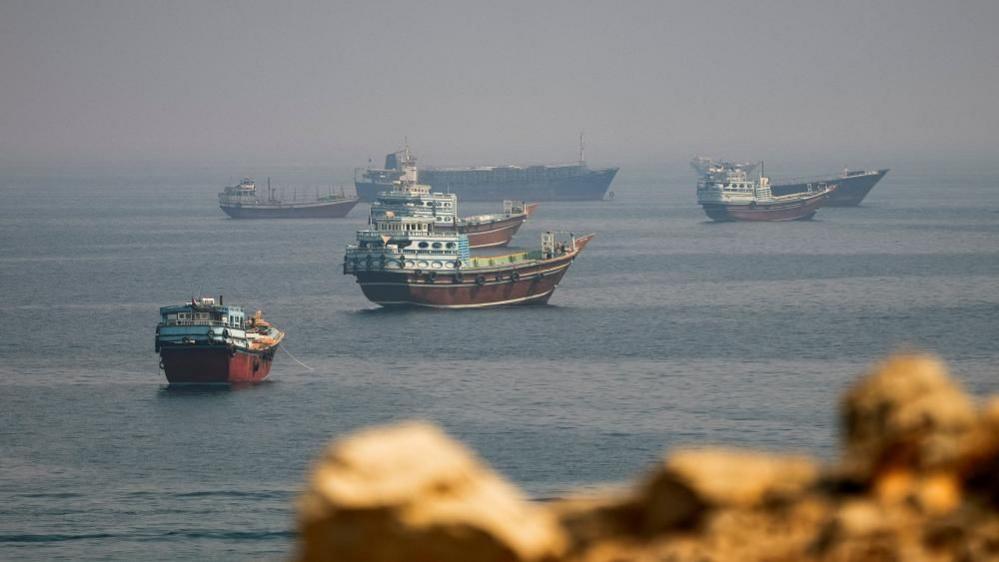
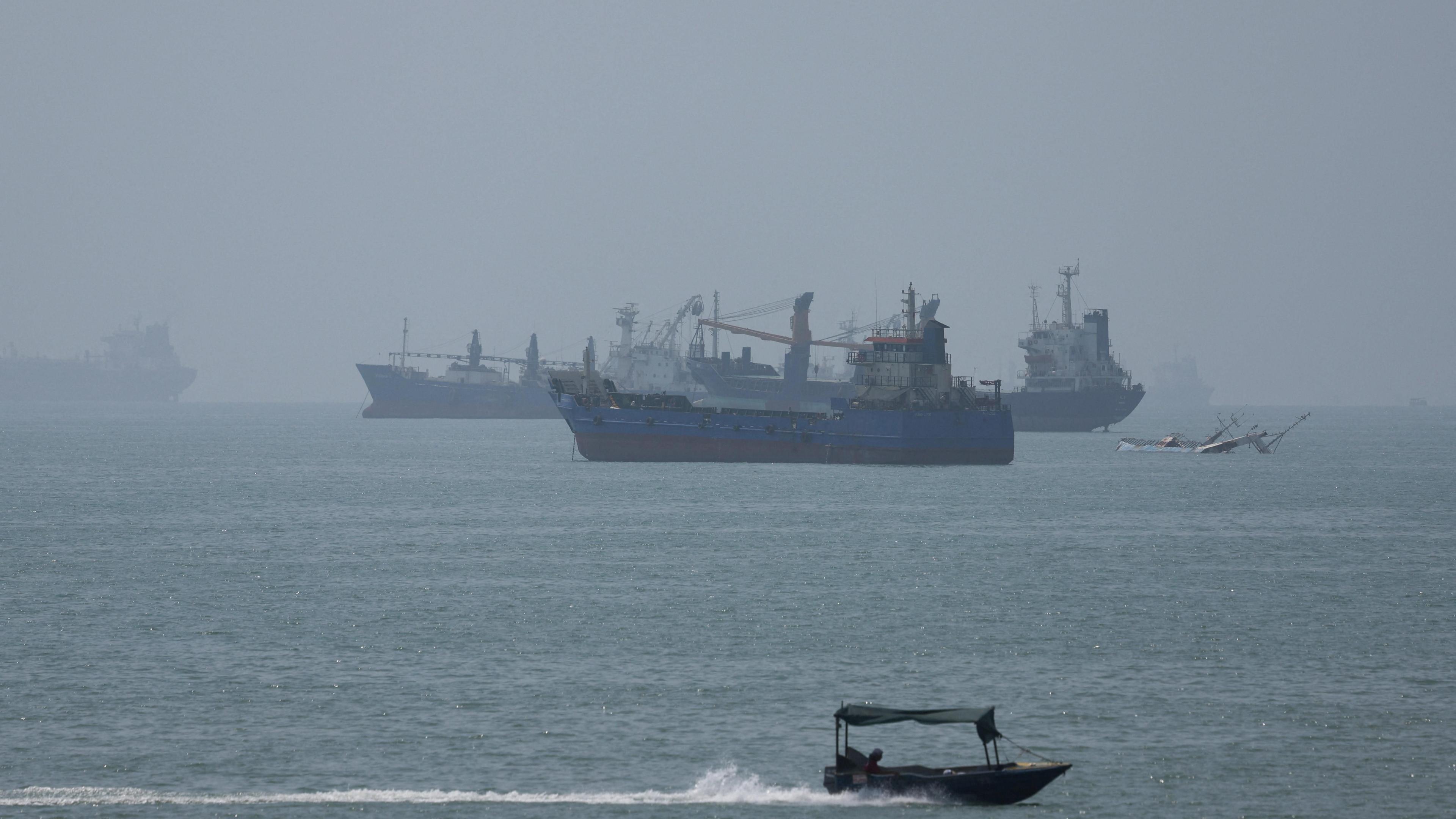
Over the last week the waters of the Gulf of Oman have exploded with activity—172 vessels crossed the Strait of Hormuz after the US and Iran struck a cease‑fire deal. That’s more than the 42 ships that slipped through on Saturday alone, but still below the pre‑conflict average of 138 daily crossings.
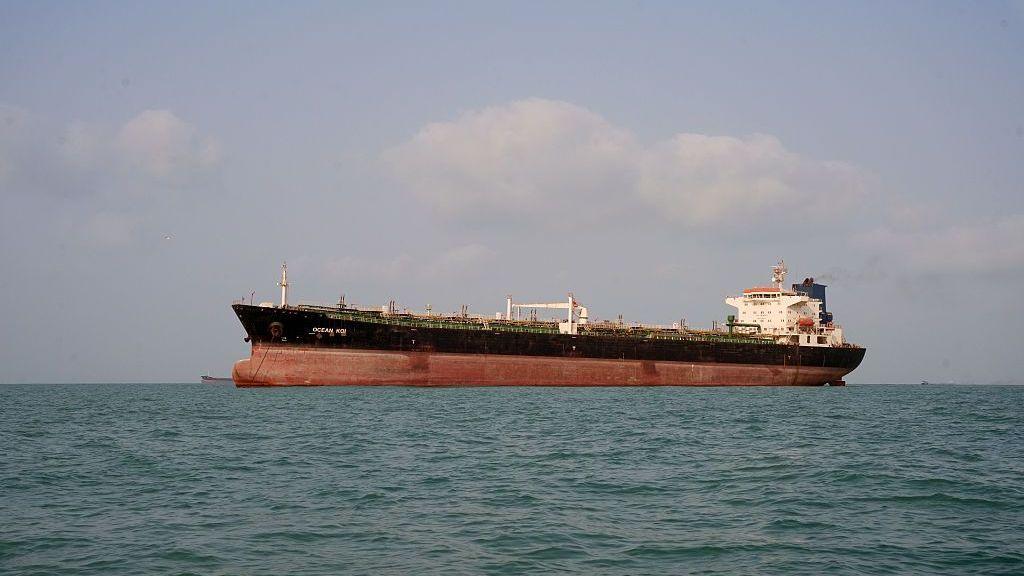
Data from maritime‑intel firm Kpler shows a flurry of tankers lining up inside the strait: more than 200 waiting on Tuesday and at least ten already heading west into the Gulf this week.
The biggest shift? A flood of Iranian‑linked tankers—over 30 since the deal‑agreement—are now moving north‑bound along the route set by Tehran, raising the stakes for global oil markets. A recent US Treasury licence also gave a two‑month window to trade Iranian oil, petrochemicals and other products.
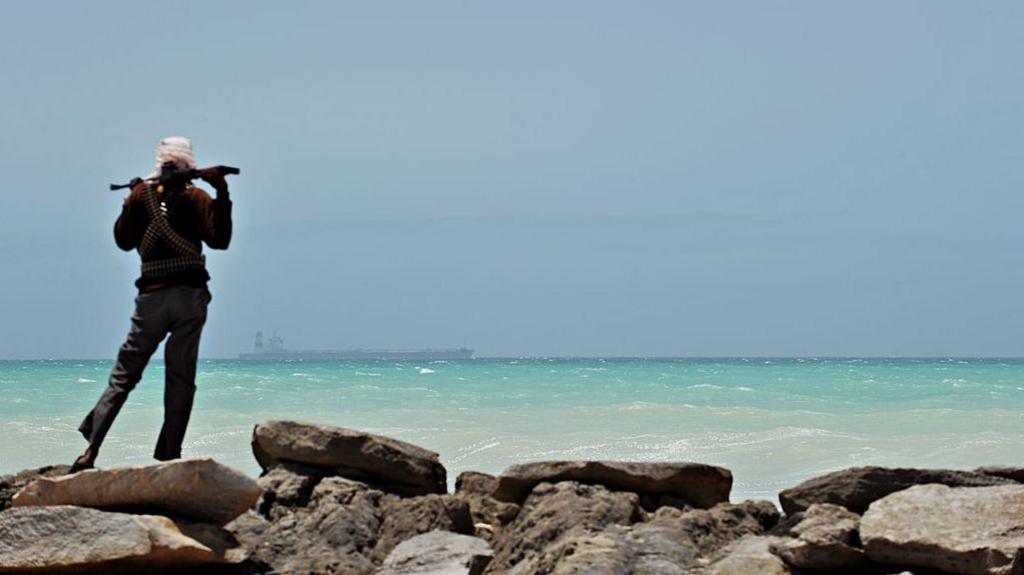
Meanwhile, the Joint Maritime Information Center warns crews of mines in the central shipping lane, pushing many to cut a narrower southern path closer to Oman’s coastline. Only a handful of vessels have done this, but the warning was clear: avoid the middle of the sea where mines still lurk.
Oil prices have taken a hit, with Brent crude sliding back to its lowest level since war began—an indicator that the global market is reacting to the new flow of goods.
What’s Next? The negotiations between Iran, Oman and the US will keep steering how safe and open the Strait remains. In the meantime, the tide of ships carries the scent of tomorrow’s trading routes.