What’s in the Iran Deal? A 60‑Second Snapshot
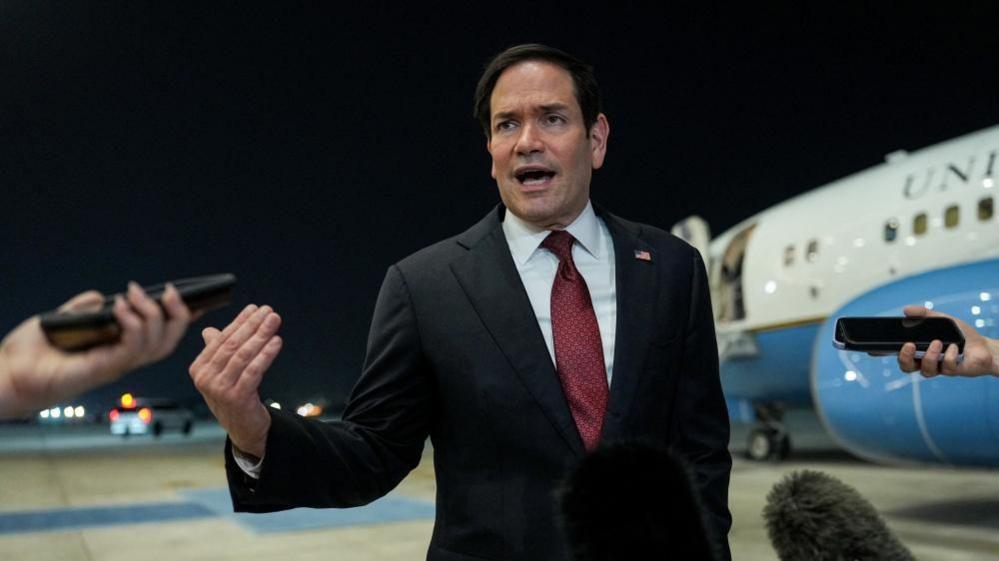
In March 2026, President Trump signed a 14‑point Memorandum of Understanding (MoU) with Iran to stop the fighting that started on 28 February. It looks at Iran’s nuclear program, missile arsenal, sanctions and shipping through the Strait of Hormuz.
Nukes: Same words, fewer limits
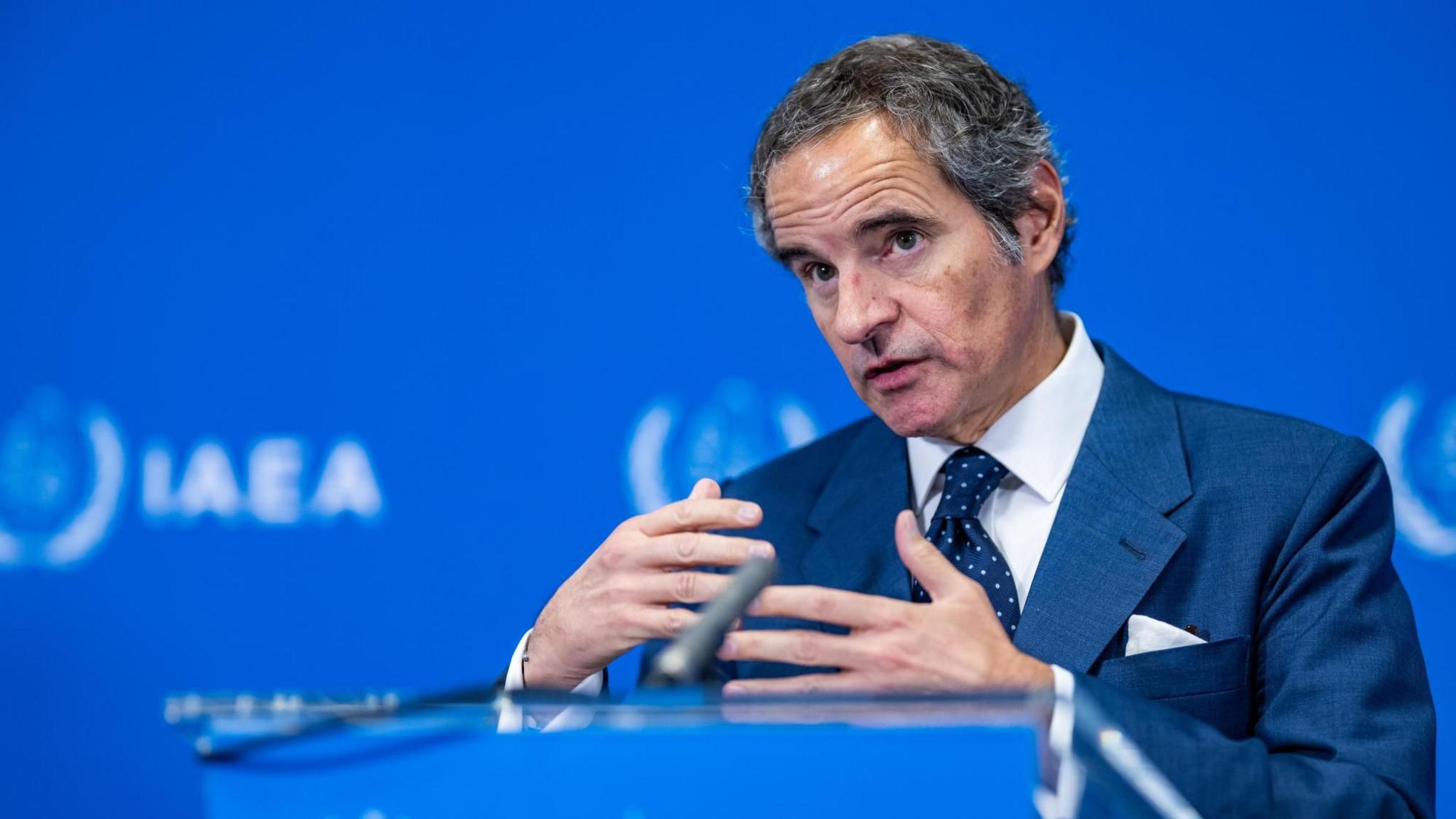
Like the 2015 JCPOA, the MoU says Iran will "reaffirm it will not develop nuclear weapons." But the new document does not set strict limits on how much uranium Iran can hold or the enrichment level it can reach, and it lacks any plan to destroy the existing stockpile. It’s an early framework for talks, not a final, detailed pact.
Missiles: No mention
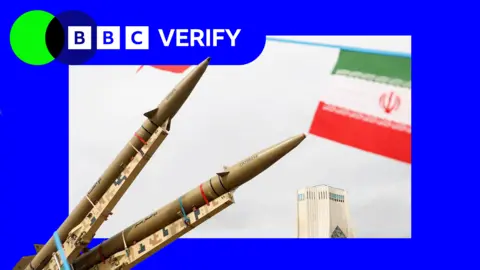
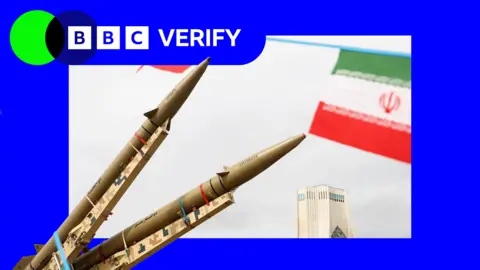
Trump’s earlier speeches said the U.S. was dismantling Iran’s missile production, yet the MoU text does not mention ballistic missiles at all. The agreement stays silent on whether new missile capabilities could be built.
Money: Sanctions turned off, no conditions
A key point is the MoU’s promise to lift all sanctions “in an agreed‑upon schedule.” It also allows Iranian oil, derivatives and related services to be exported right after signing—without any requirements that Iran remain accountable. Meanwhile, Iran could start charging fees for ships passing through the Strait, a move the deal does not stop.
Ships: Brief freedom, unclear future
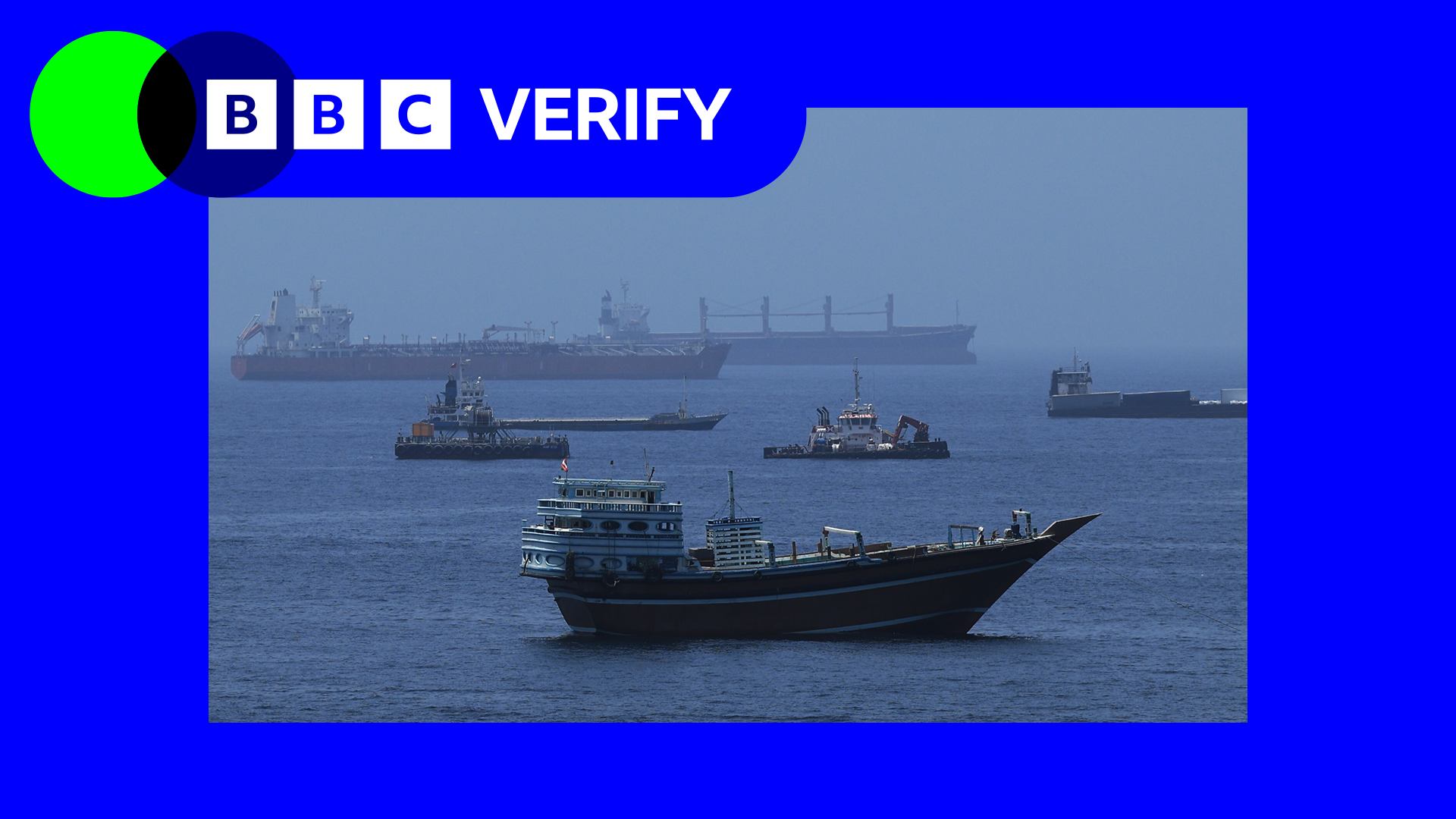
The MoU says the U.S. will end its naval blockade of Iranian ports within 30 days and will help ensure safe, costless passage of commercial vessels through the Strait of Hormuz for 60 days only. After that, the situation is left open, leaving traders uncertain if fees will apply.
In short, the agreement sounds similar to the old JCPOA but leaves many tough questions unanswered. For classmates, it’s a reminder that big political deals are often more about words than concrete actions.