In brief
Iran’s navy announced a second closure of the Strait of Hormuz, the world’s busiest oil corridor, after Israel’s rocket attacks in southern Lebanon. The move violates a US‑Iran deal that had promised temporary reopening. While US Central Command says ships can still pass, shipping firms say traffic is up, hinting bigger geopolitical fallout amid rising tensions.
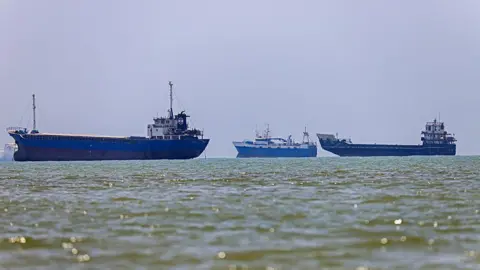
In a dramatic show‑stopper, Iran’s navy shut down the Strait of Hormuz – the gateway that carries 20% of global oil and gas – after a surge of Israeli airstrikes on Lebanon. The block came just weeks after the US and Iran signed a first‑stage peace agreement to end hostilities.
The Revolutionary Guard warned that ships approaching the strait would face “security jeopardy.” Yet US Central Command said safe passage remained intact and 55 merchant vessels were already transiting the waterway, suggesting a temporary calm amid the turmoil.
What’s at stake? With an estimated 20 million barrels of oil passing daily in 2025, the strait powers roughly $600 billion of global trade each year. Iran’s decision throws energy markets into uncertainty while Israel maintains a ceasefire that it claims is separate from the broader war with Iran.
The closure follows dozens of deaths in Lebanese towns due to Israeli strikes the day after a new ceasefire with Hezbollah. Israel denies pulling back forces, calling the clash a fight against Hezbollah, not Iran. Meanwhile, US‑Iran talks in Switzerland are gaining momentum, as President Biden’s team seeks to pressure Tehran into meeting commitments on all fronts.
With the world watching, the seabed politics of the Middle East remain as unpredictable as the waves it swallows. Stay tuned for how this clash may reshape the energy pulse of the globe.