Israel‑Hezbollah Ceasefire Declared, Yet Bombings Go On
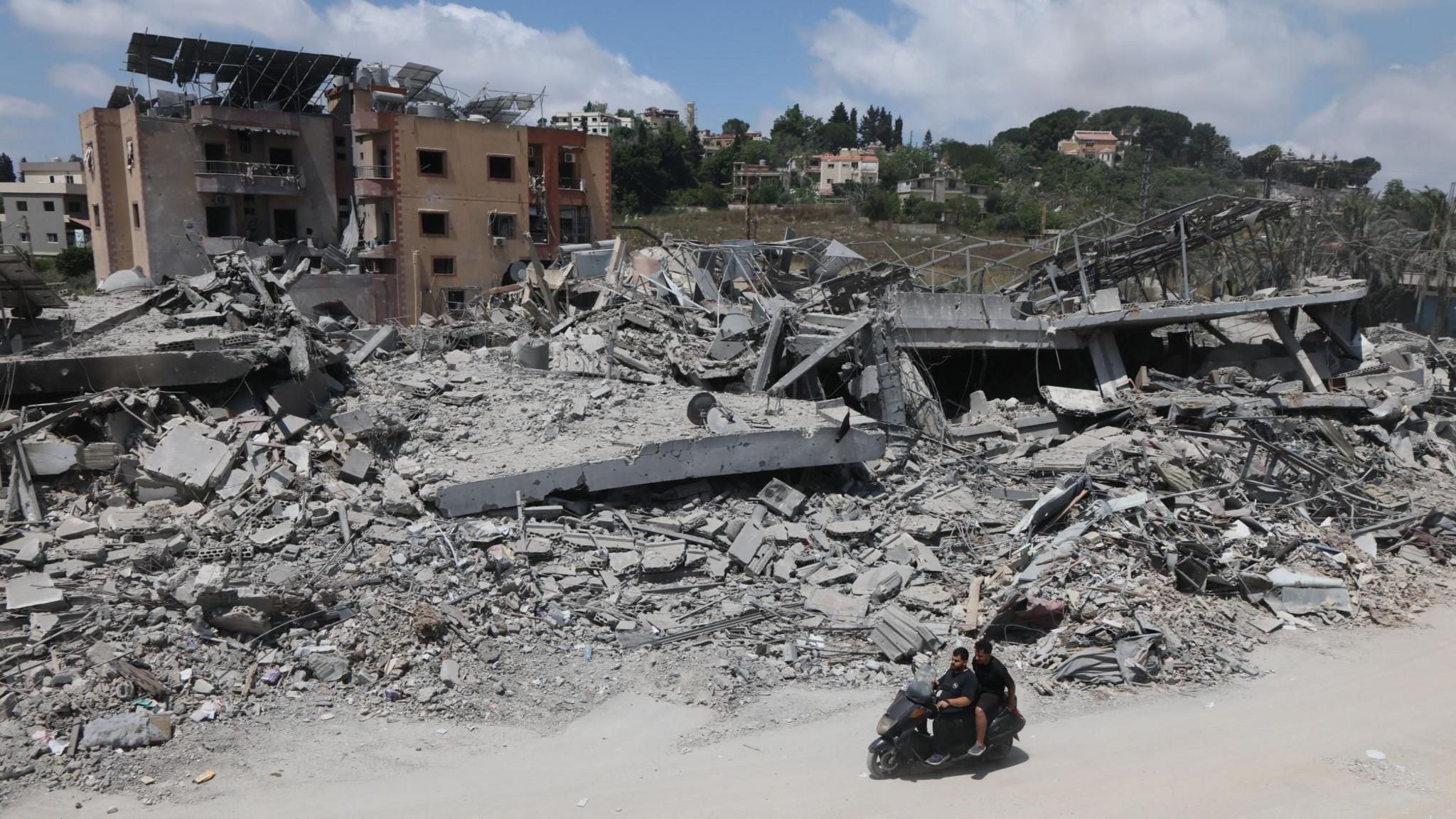
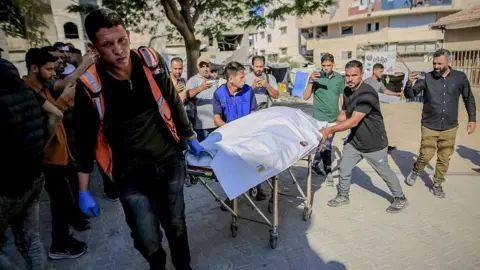
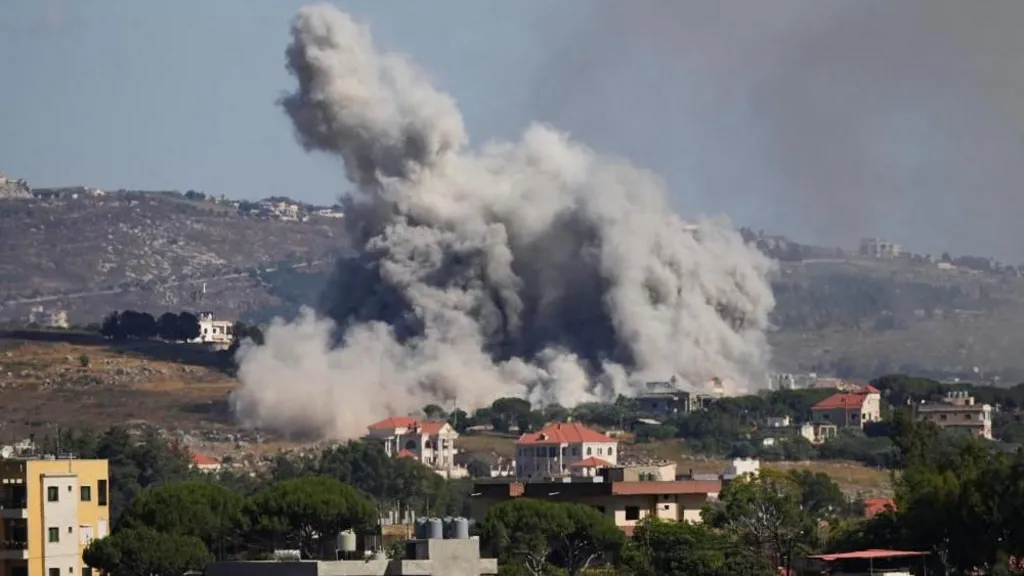
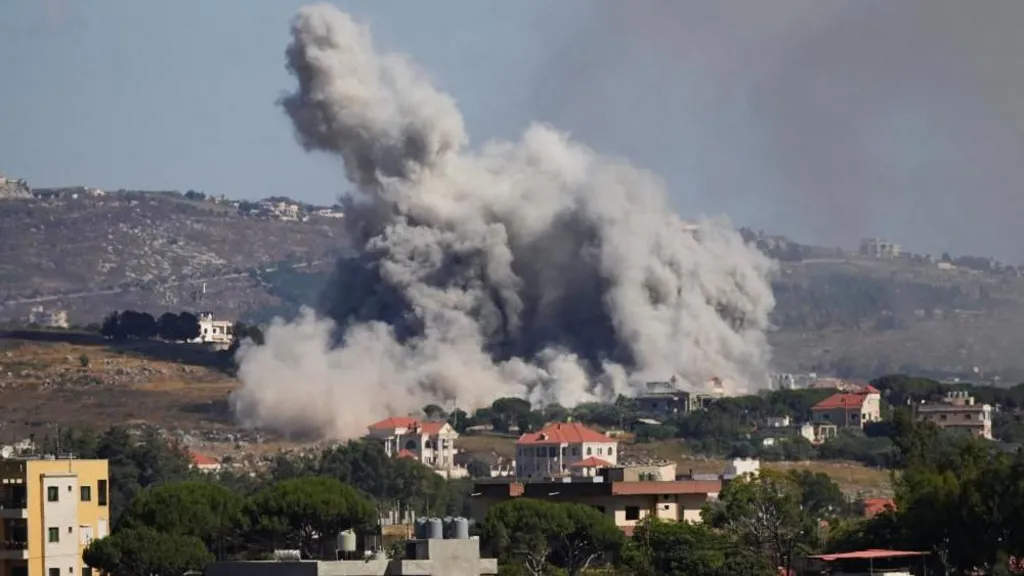
After a night of intense air attacks that killed 47 people in southern Lebanon, a U.S. official said Israel and Hezbollah had agreed to a cease‑fire. But new strikes have been reported since the deal went into effect.
The cease‑fire comes amid alarms that ongoing clashes—including Hezbollah killing four Israeli soldiers—could derail a U.S.‑Iran truce that was supposed to end hostilities. Hezbollah’s leader, Naim Qassem, accused Israel of abandoning its promises, while Israeli forces vowed to keep cutting down “immediate threats.”
Residents in Nabatieh district heard of at least 12 air strikes after the cease‑fire went live at 4 pm local time. Meanwhile, a U.S. spokesman said the agreement would stand, though many Lebanese distrust it, citing past broken promises.
The clash highlights how fragile the recent U.S.–Iran Memorandum of Understanding is, with Iran blaming the U.S. for any breach. Netanyahu’s far‑right security minister, Itamar Ben Gvir, added stark rhetoric, demanding that Lebanon “burn” in retaliation for Israeli casualties.
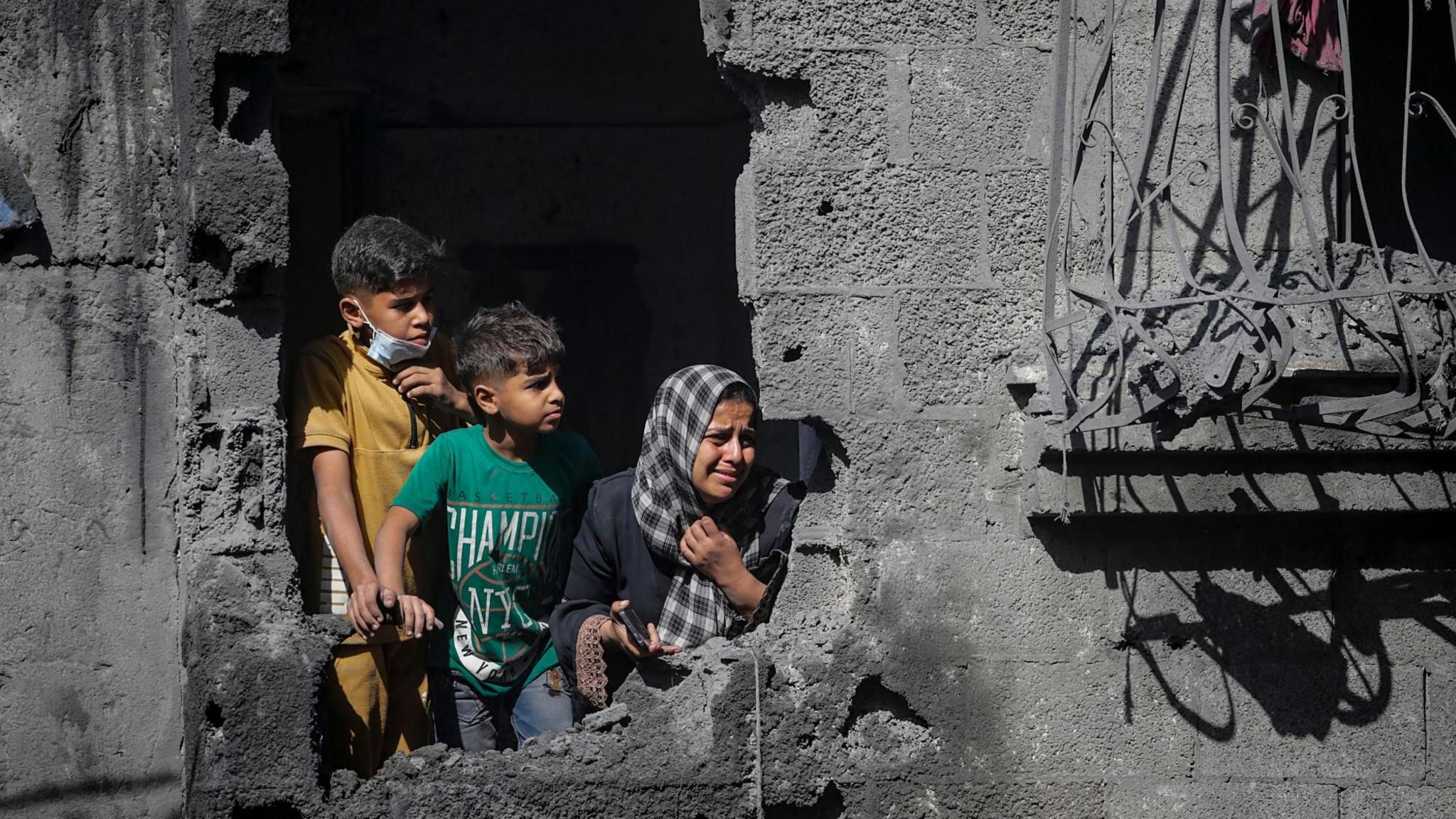
Around 3,900 people have died and 11,600 injured since the latest fighting began, with roughly a million displaced. The conflict shows how a cease‑fire signed on paper can quickly unravel as weapons slam across borders and promises go unkept.
The latest violence raises fears that a lasting peace may be far away, as both sides appear primed for war′—and the world watches the unfolding drama unfold. For young readers: keep an eye on what tech and politics can do for or hurt peace—like how a nuclear deal or a social media post might shape millions of lives.