In brief
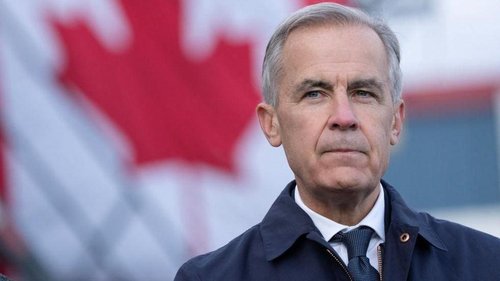
The world is witnessing a return to pre-World War II dynamics, with middle powers grappling with a redefined global order under American unilateralism. President Trump's announcement of an 'America First' strategy raises questions about the future role of international institutions and the stability of alliances. Prominent figures, including Canadian Prime Minister Mark Carney, emphasize the need for middle powers to unite against self-serving policies that threaten the global order established post-World War II. As challenges mount, global cohesion and solidarity among nations will be crucial.
The conversation around global power dynamics has picked up pace, especially as the world navigates the implications of President Trump's 'America First' doctrine. This policy is reshaping relationships and challenges traditional alliances. As a result, middle powers find themselves wary, questioning their roles in a system where American interests are prioritized, often at the expense of collective international agreements.In recent speeches, leaders such as Canadian Prime Minister Mark Carney have highlighted the urgency for middle powers to act cohesively, lest they be sidelined in this new landscape. Historical parallels draw attention to past patterns where the strong impose their will on the weak, evoking the lessons learnt from World War II. There's a reminder of the necessity for ongoing dialogue, collaboration, and the fight for a balanced approach to international relations.As the challenges intensify, it becomes increasingly important for nations to reassess their strategies and work towards a future that acknowledges the interests of all parties involved, ensuring that no one is left out of the decision-making table.