In brief
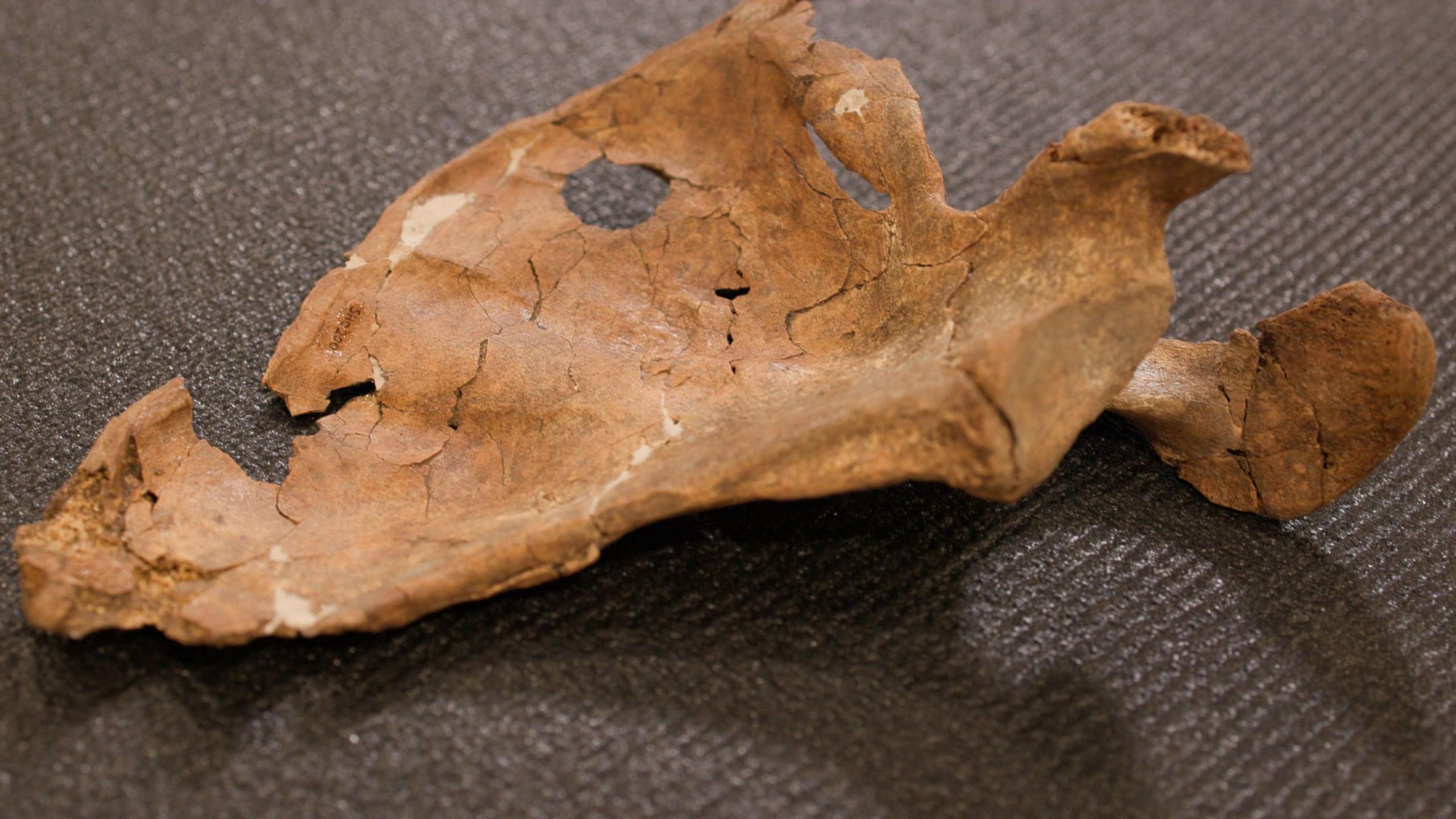
A shoulder blade from the Shanidar cave in Iraq bears a 15 mm circular hole that archaeologists link to a wooden spear. The wound suggests a fatal heart‑shot, hinting that Neanderthals may have fought each other with early weapons. Earlier evidence from other Neanderthal sites points to a history of violence before the advent of farming. Experts debate whether the injury came from hunting accidents or intentional aggression. The find reshapes our view of prehistoric human behaviour.
Scientists studying the Shanidar cave in Iraqi Kurdistan discovered a 75,000‑year‑old Neanderthal left shoulder blade with a perfect 15‑mm round hole. The size and shape match the damage a sharpened wooden spear would leave. Researchers think the spear entered the victim’s chest, passed through the body, struck the lungs and major blood vessels, and exited the left shoulder, causing a fatal heart‑shot.
This is the earliest evidence that a Neanderthal faced lethal violence from a wooden weapon. It adds to a growing list of skeletal injuries that suggest inter‑group conflict was common among hunter‑gatherer societies, long before the rise of farming. Dr Emma Pomeroy, lead author of the study, says the wound “could not have been a natural break” because of the clean circle it left.
While some scholars argue the injury might be a hunting accident or friendly fire, a natural history museum professor finds an attack by rivals more plausible given the wound’s position and severity. Earlier finds in the same cave—such as a 50,000‑year‑old Neanderthal with healed rib fractures—also point to violence from stone‑tipped spears.
The Shanidar case echoes a 2022 study of Neanderthal skulls in Spain that recorded dozens of healed head injuries and potential fatal fractures, suggesting survival of multiple attacks. These discoveries challenge the idea that organized warfare began only with settled farming societies. They invite debate on how early humans defined territory, competition, and conflict.
In short, a single bone hole rewrites a chapter of human prehistory. It reminds us that even our ancient cousins were not always peaceful, and that violence has deeper roots in our evolutionary past than once assumed.