In brief
This article compares the political fortunes of Gen Z movements in Nepal and Bangladesh. While Nepal's youth successfully infiltrated the political arena with vibrant new leaders, Bangladesh's youth-led protests did not translate into significant electoral power, raising questions about strategies and outcomes in both nations.
Last month, as Nepal inaugurated its new prime minister Balendra Shah, along with a parliament stacked with youthful lawmakers, Bangladeshi activist Umama Fatema felt a pang of disappointment as she watched from afar.
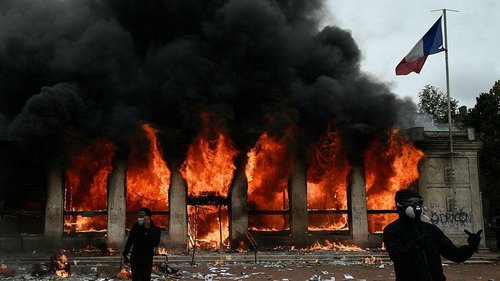
Fatema was among the thousands of Gen Z protesters in Bangladesh who took to the streets in 2024. Like their Nepalese counterparts, they brought down their government in explosive demonstrations.
But nearly two years on, Bangladesh's youth movement has yet to gain any meaningful political power. In the country's first post-protest elections held in February, the established Bangladesh Nationalist Party (BNP) won a historic majority while the new youth-led National Citizens' Party (NCP) - which grew out of the student revolution - did dismally.
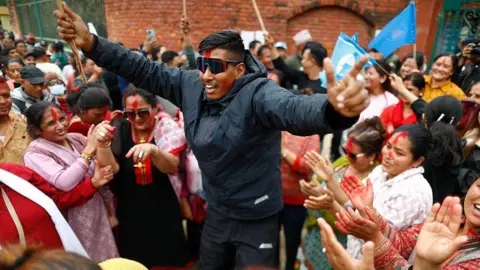
It stands in marked contrast to Nepal, which just a month later held a historic election where the four-year-old Rastriya Swatantra Party (RSP) won by a landslide. The victory sent scores of Gen Z politicians to parliament and made former rapper Shah, who made an alliance with the RSP, the leader of Nepal.
It is a rare success story in Asia, which has seen numerous Gen Z protest movements in recent years but none resulting in young protesters gaining power the way Nepal's youth have.
Personally, I felt disheartened. When I saw how effectively [the Nepalese youth] were able to organise themselves, I could not help but feel disappointed about the situation in our own country, said Fatema.
Nepalese youth leaders have attributed their victory to their movement's ability to resonate with ordinary citizens. The Gen Z protests tapped into a deep, long-standing frustration with the way things have been run, said KP Khanal, a new lawmaker from the RSP.
Consistency was another key factor. The Nepalese movement continuously raised issues of accountability and justice until their message resonated widely, transforming into a credible movement.
Meanwhile, in Bangladesh, the established political landscape hampered the NCP, which suffered from internal divisions. Additionally, long-standing political parties managed to absorb the anti-establishment sentiments and emerged victorious in the elections.
In Bangladesh, some analysts believe that the youth movement's momentum was sapped by the lengthy gap between protests and the elections, unlike in Nepal, where elections followed swiftly after the protests, allowing the momentum to carry forward.
Despite setbacks, activists like Fatema express hope that the next generation of young people will create their own movements for change in Bangladesh, emphasizing the importance of learning from the successes and failures of their counterparts in Nepal.