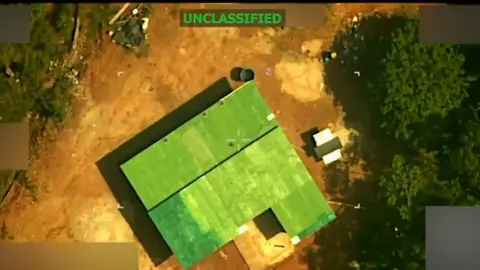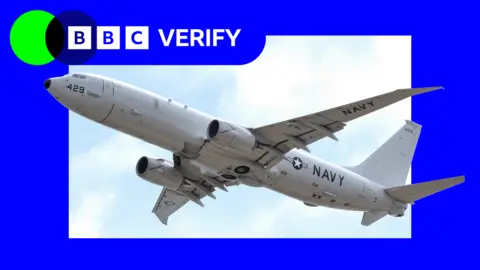
The US military has been publicly broadcasting the location of military surveillance flights near Cuba on plane-tracking websites as Washington continues to exert pressure on the island's communist leadership. Leaving flight transponders on 'is likely deliberate,' said UK drone expert Dr. Steve Wright, with the US intending to send 'a clear message it has eyes in the sky to maintain the squeeze.'
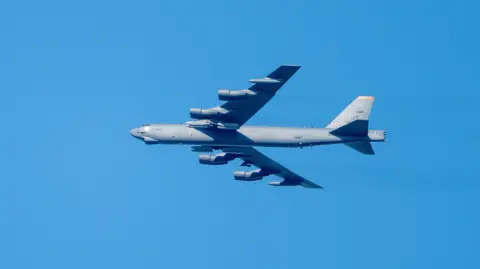
According to BBC Verify, at least five US Navy P-8A Poseidon surveillance aircraft and three MQ-4C Triton surveillance drones have been operating in the Caribbean near Cuba since May 11, with some aircraft flying as close as 50 miles from the island. Flight-tracking data, while not providing a complete picture, shows a significant US military presence near Cuba.
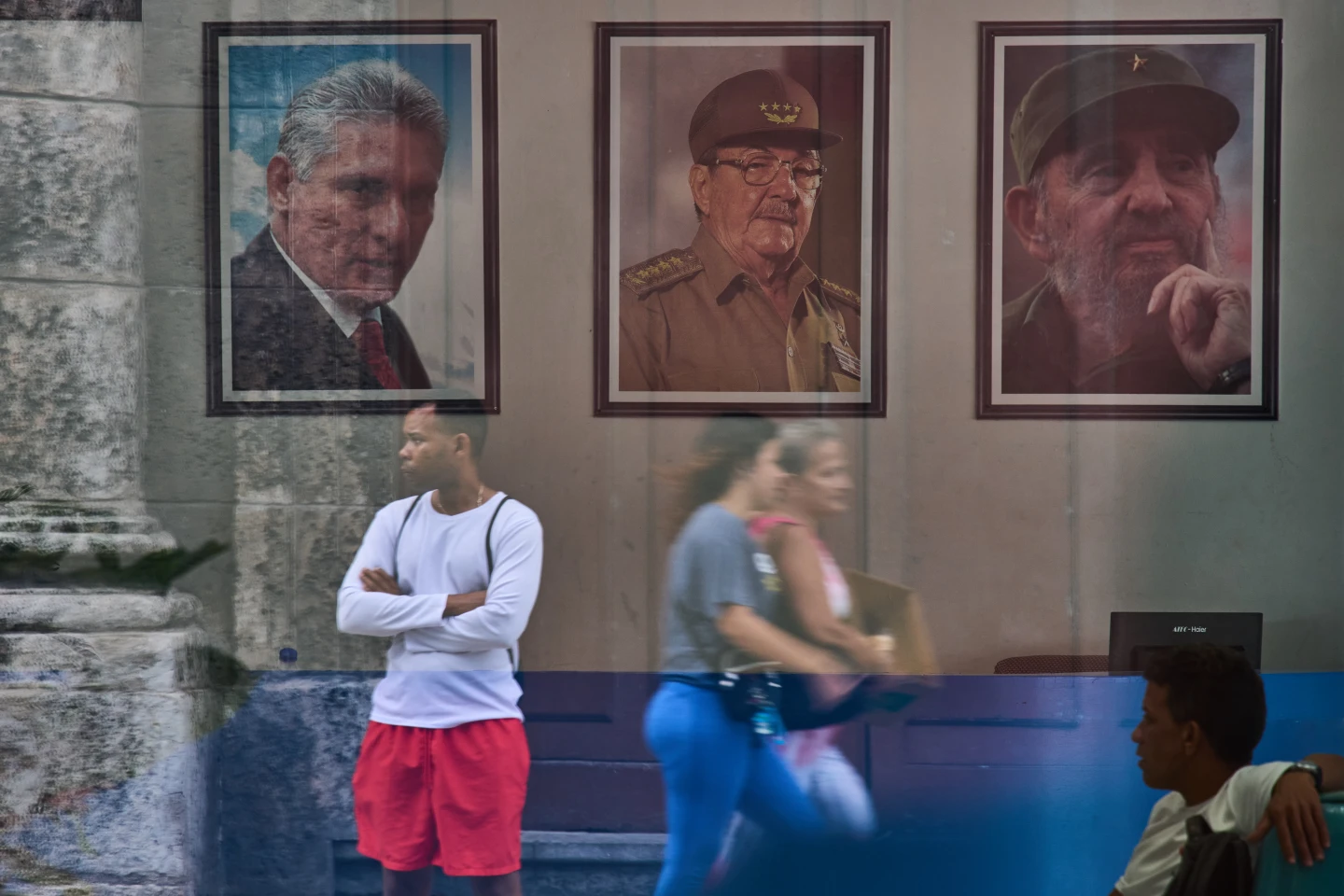
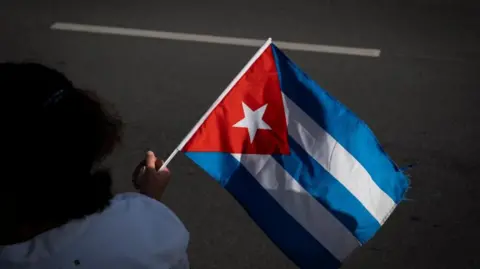
The tensions have surged in recent months, particularly following Washington's effective oil blockade, which has led to a fuel crisis in Cuba, causing major power blackouts and triggering protests. Furthermore, reports indicate Cuba has acquired drones capable of striking the US mainland, while Cuban officials assert they do not desire war, accusing Washington of building a 'fraudulent case' for military intervention.
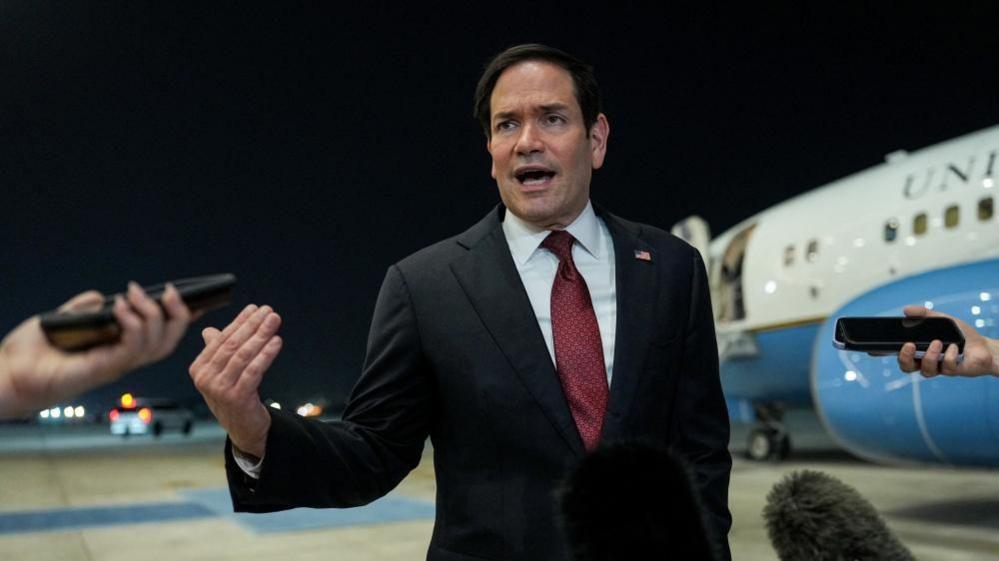
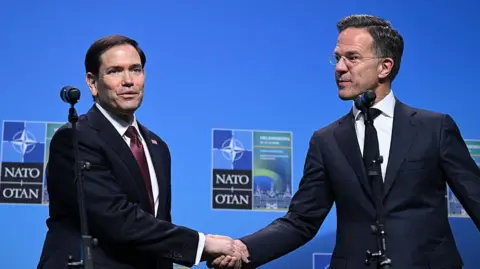
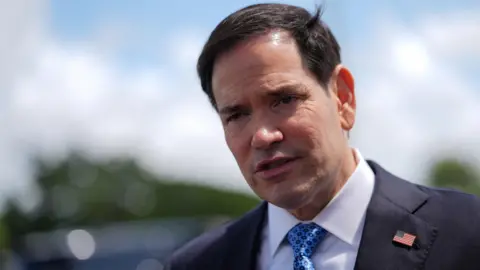
US Secretary of State Marco Rubio recently offered a 'new relationship' to the Cuban people, blaming the hardships faced on their communist government rather than the US blockade.
Experts believe these surveillance activities are intended to enforce the blockade and deter Cuba’s allies from shipping energy resources to the island. The ongoing situation reflects heightened US intelligence operations intended to spot potential energy shipments to Cuba while applying pressure on the Cuban government.
According to BBC Verify, at least five US Navy P-8A Poseidon surveillance aircraft and three MQ-4C Triton surveillance drones have been operating in the Caribbean near Cuba since May 11, with some aircraft flying as close as 50 miles from the island. Flight-tracking data, while not providing a complete picture, shows a significant US military presence near Cuba.
The tensions have surged in recent months, particularly following Washington's effective oil blockade, which has led to a fuel crisis in Cuba, causing major power blackouts and triggering protests. Furthermore, reports indicate Cuba has acquired drones capable of striking the US mainland, while Cuban officials assert they do not desire war, accusing Washington of building a 'fraudulent case' for military intervention.
US Secretary of State Marco Rubio recently offered a 'new relationship' to the Cuban people, blaming the hardships faced on their communist government rather than the US blockade.
Experts believe these surveillance activities are intended to enforce the blockade and deter Cuba’s allies from shipping energy resources to the island. The ongoing situation reflects heightened US intelligence operations intended to spot potential energy shipments to Cuba while applying pressure on the Cuban government.