India’s NEET‑UG Exam Gets Extra‑Security After Paper Leak Scare
On 3 May, 2.28 million students began what is the only route into India’s medical colleges – the National Eligibility Cum Entrance Test (NEET‑UG). The test was cancelled the same day after rumours that the paper had been leaked. The country now held a second session under tighter-than‑ever security.
A New Wave of Security Measures
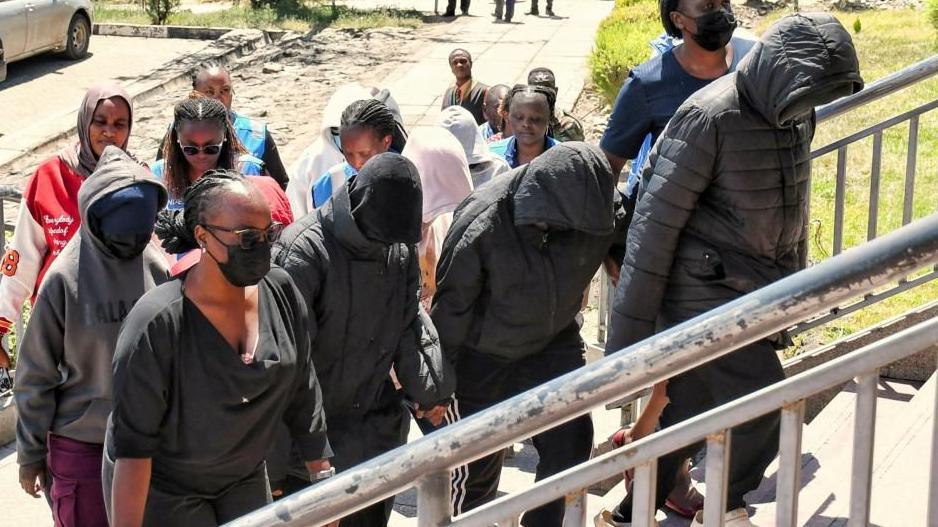
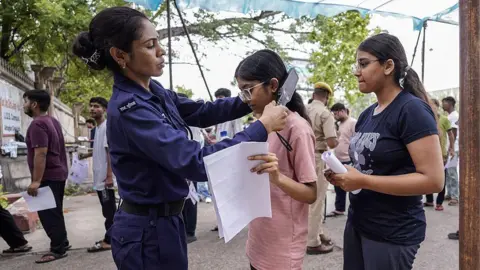
Students waited in line as scanners, metal detectors and biometric checks were set up around the 5,440 test centres. Drones and dog squads hovered over the venues. New exam papers were flown in by the Indian Air Force, and 51,311 jammers were deployed to block phone signals. Police and paramilitary officers were stationed at each exam site, with 40‑50 security staff on duty per centre.
The National Testing Agency reported that every exam room was fitted with cameras – the agency logged over 1.3 million cameras in total. It also temporarily blocked Telegram, fearing the messaging app could be used to pass illicit information during the test.
How the Exam Works
The test lasts three hours and 15 minutes, and includes 180 multiple‑choice questions covering physics, chemistry and biology. Success is essential because only a handful of candidates achieve the marks needed for a coveted spot in a medical college.
The Leak Investigation
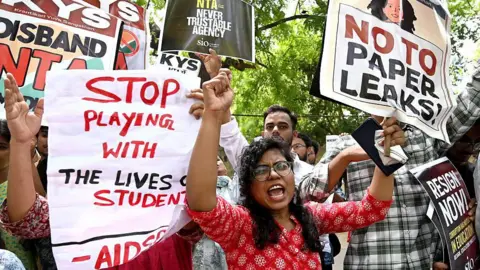
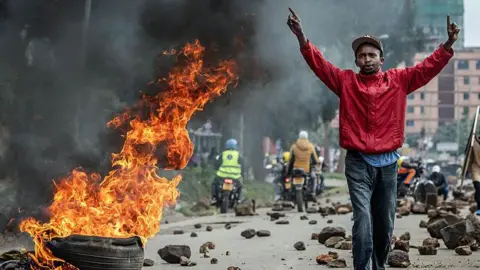
India’s Central Bureau of Investigation (CBI) has been tasked with probing the paper‑leak allegations that prompted the May cancellation. Earlier in 2024, the same NEET exam faced accusations of leaked questions, fraud and irregular marking, and the whole country has seen a wave of protests over test fairness.
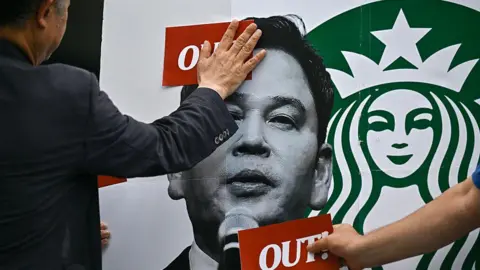
The government’s education minister was urged to resign, but he declined, telling students to “sit fearlessly” in the rescheduled exam. Despite the heightened safeguards, students remain anxious that a repeat leak could still occur.
What’s Next?
The rescheduled test will decide which 200,000 or so candidates secure placement in India’s highly competitive medical colleges. Students who have already spent years preparing now must quickly refocus to perform on the new paper. The fallout continues to fuel debate over exam integrity and the need for better oversight.
For more background, read about the Telegram ban over exam paper leaks and the 2004 NEET‑UG leak controversy that set the stage for today’s security protocols.
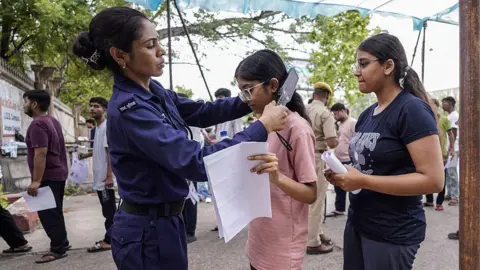
Security personnel scan students’ possessions before the rescheduled exam.