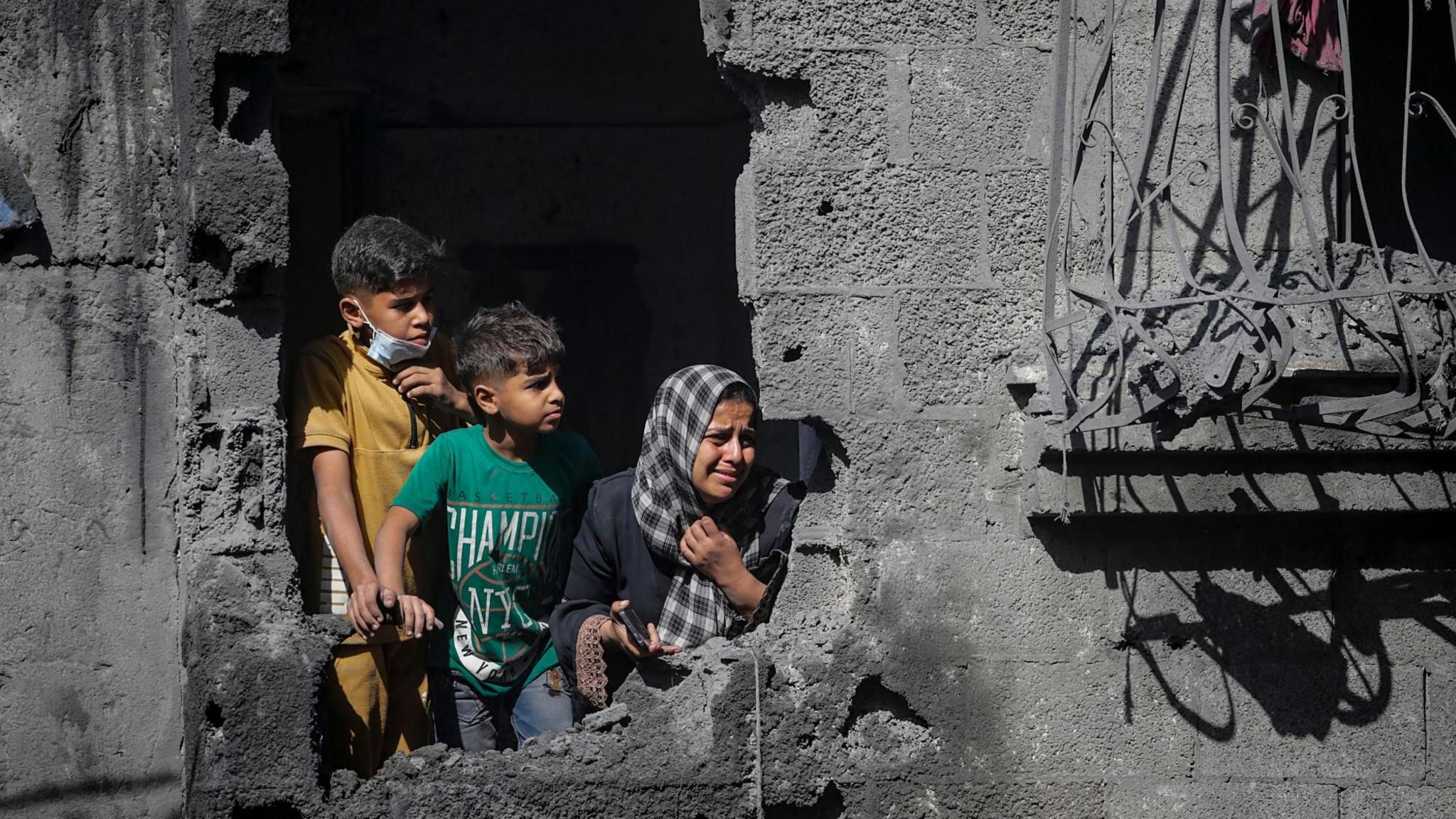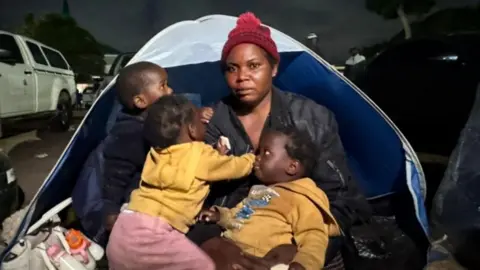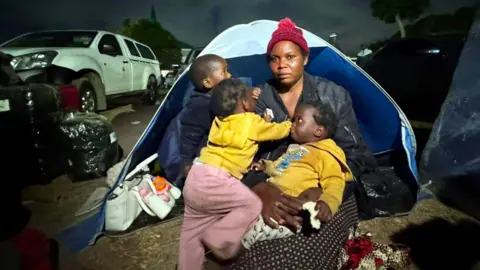
In Durban, a Malawian mother of three, Esnat Joseph, said she was stalked at home by men with machetes who told her to leave the country by 30 June. She and her baby triplets fled the informal settlement and are now waiting in an open field, hoping for help from an aid team that hand‑out blankets and food.
The countdown, set by the anti‑migrant group March and March and others, has become a national story. Around 7,000 migrants, mostly from neighbouring countries, have gathered in Durban’s field, chanting Mabahambe, a Zulu word meaning ‘they must go’. The protests have largely been peaceful but have spread across cities, with men carrying sticks and the occasional threat of violence.
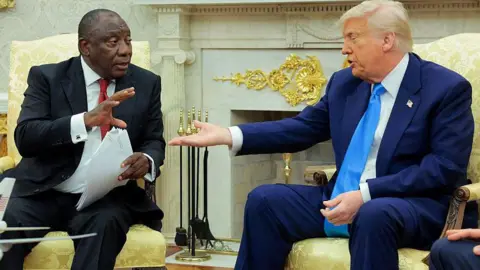
The government has stepped in, announcing Operation New Broom – demolishing informal shops and tightening immigration laws. President Cyril Ramaphosa said the country should not turn into a ‘refugee site’ for failed states, and added a five‑point strategy to curb abuses and corruption in hiring, while extending digital IDs to non‑citizens.
The media’s portrayal of the migrant crisis feeds a wider debate. Some politicians use old footage to spread fear, while human‑rights organisations argue that blaming migrants for economic problems is unfair. Meanwhile, youth unemployment hits 32.7 per cent, pushing many young South Africans into love for easier jobs abroad, raising the number of visa holders and undocumented workers.
A recent bus took a group of Malawian migrants back to their homeland; they chanted ‘Siyahamba’ – ‘we’re leaving – as they headed home. The story reminds us how, in a country rich in culture, a deadline can ignite feelings of threat and fear amid complex migration politics. The country’s next steps will tell if tolerance can grow in the face of an intense protest movement.