In brief
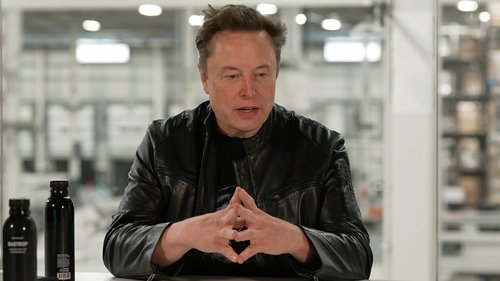
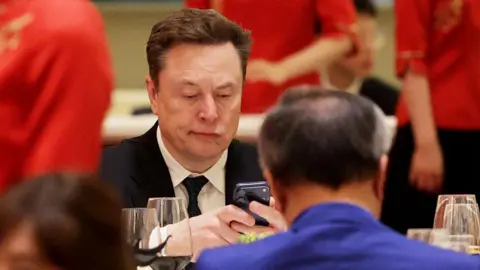
German broadcaster ZDF cut part of a broadcast that linked tech billionaire Elon Musk with calls for migrants to be hunted after a violent incident in Belfast. The broadcaster said the wording was misleading and later apologized. Musk said he was taking legal action and demanded a cease‑and‑desist notice. The incident highlights how media claims can ignite anger and the power of social platforms to spread misinformation.
On June 12, the German public network 'ZDF' advanced a story that‑linked tech billionaire Elon Musk with a call for migrants to be hunted in Northern Ireland. The link came after a violent knife‑attack in Belfast and the rush of a viral video. Musk reacted on X, warning that he would pursue legal action and asking the broadcaster to drop the claim.
ZDF later confirmed the passage was misleading and promptly removed the introduction, posting a correction notice that the language had been “imprecise”. The removal followed a cease‑and‑desist request sent to the channel by a German law firm. A spokesperson for the network noted the segment had already been flagged in a previous correction.
The fallout is part of a larger story about how social media can inflame tensions. After the Belfast incident, the centre for Countering Digital Hate cited Musk’s amplification of anti‑migrant rhetoric as a factor. British right‑wing activist Tommy Robinson also posted a call for protests on X, a claim Musk referenced in the broadcast. The debate shows the power of headlines and the impact of unchecked claims in real‑world conflict.
For more details, see Moss‑linked upheaval in Belfast ‘What we know about Belfast attack and disorder’ or read the court’s decision on the 18‑year‑old student’s case ‘Nowak killer’s sentence to be reviewed’.