In brief
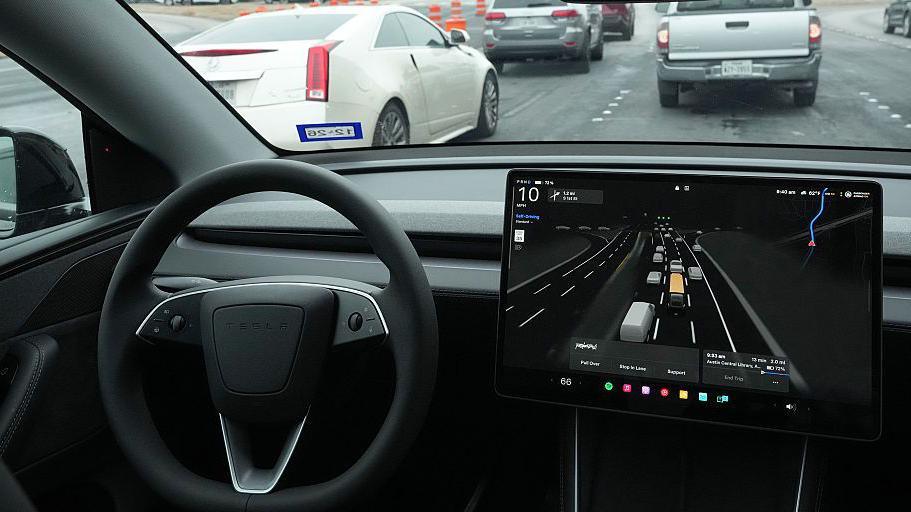
On June 19, a Tesla Model 3 sped off the road and struck a Texas residence, killing its 76‑year‑old occupant. Local police said the driver reported using an automated driving aid at the time. The National Highway Traffic Safety Administration opened an official investigation, separate from the police probe, to examine the vehicle’s performance and safety systems. Regulatory officials are assessing whether Tesla’s full self‑driving technology meets industry safety standards, after a series of recent safety critiques and recall notices. The case highlights the growing scrutiny of autonomous features in modern cars.
On 19 June, a Tesla Model 3 lost control late at night and collided with a house in Texas. The driver, who said he was using the car’s automated driving system, was checked at the scene and later taken to a hospital.
The woman inside the home suffered fatal injuries. Her daughter reported discovering her mother nearby after the impact.
NHTSA has launched a special crash investigation—one of its most comprehensive inquiries—to assess the vehicle’s handling and the automated system’s role.
The agency said the investigation could lead to recalls or safety action if defects are uncovered, though it does not yet penalise the manufacturer outright.
Tesla’s full‑self‑driving (FSD) technology has faced scrutiny, with Senators Markey and Blumenthal urging tighter oversight. Prior investigations highlighted concerns over its performance in poor weather, further fueling regulatory debate.