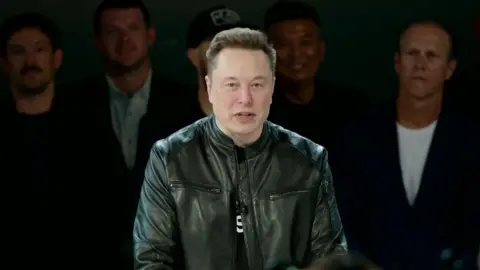
Elon Musk’s shares jumped into the trillion‑dollar territory this week. After SpaceX’s first public offering on the Nasdaq, Musk’s net worth surged to about $1.11 trillion, making him the world’s first trillionaire.
SpaceX priced its shares at $135, but buyers swarmed and the stock opened at $150 before peaking at $176.50 during the day’s trading. It closed at $161 and generated ~$75 billion for the company, giving Musk a hefty nest‑egg of roughly $767 billion in shares alone.
Wealth and the debate it sparks
Musk’s status has ignited a clash of ideas about wealth concentration. His fortune now outmatches the entire national GDP of countries like Poland and Switzerland, drawing criticism from politicians and scholars who call for wealth taxes and greater regulation.
While the trillion‑dollar figure exists mainly on paper— tied to the value of Musk’s shares and options— it gives him massive influence in global politics and business.
What’s next for SpaceX?
SpaceX intends to use the fresh capital to expand rocket launches, grow its Starlink satellite network, and explore AI ventures. Though it is currently not profitable and lost over $9 billion last year, managers see the funding as a way to push forward with high‑risk, high‑reward projects such as a “lunar economy” that would involve routine lunar travel and commerce.
Analysts are watching whether the stock price will hold as investors weigh hype versus fundamentals. The move also creates instant millionaires among SpaceX’s 4,400 employees who hold shares as part of their compensation.