In a dramatic turn of events, people living in South Africa who do not have legal paper plans to leave the country by 30 June. The deadline was imposed by protest groups that say millions of foreigners are taking jobs and pushing locals to the brink.
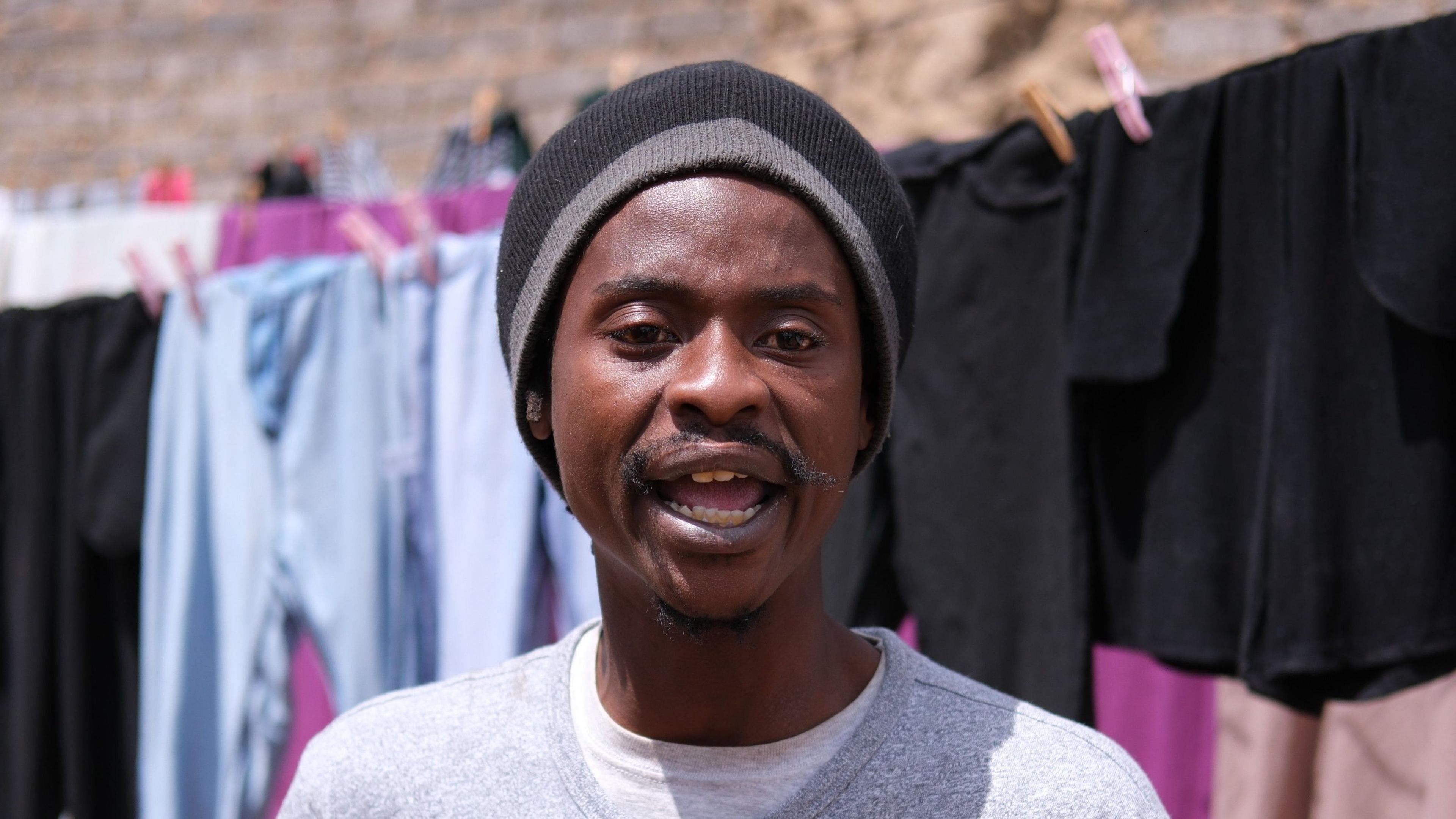
Esnat Joseph, a 36‑year‑old from Malawi, fled her Durban home after a gang of South African men showed up with machetes. She said they told her “you must leave. We don’t want you people to stay here.” The men even cut her husband’s neck, who is now in the hospital.
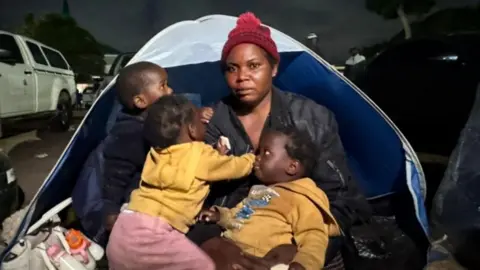
In the open field outside the city, around 7 000 undocumented migrants—most from Malawi—sits on blankets while aid groups give food. The crowds chant “Siyahamba” (“we’re leaving”) as buses arrive to take them home. The fear is real: many have lost passports or have no documents at all.
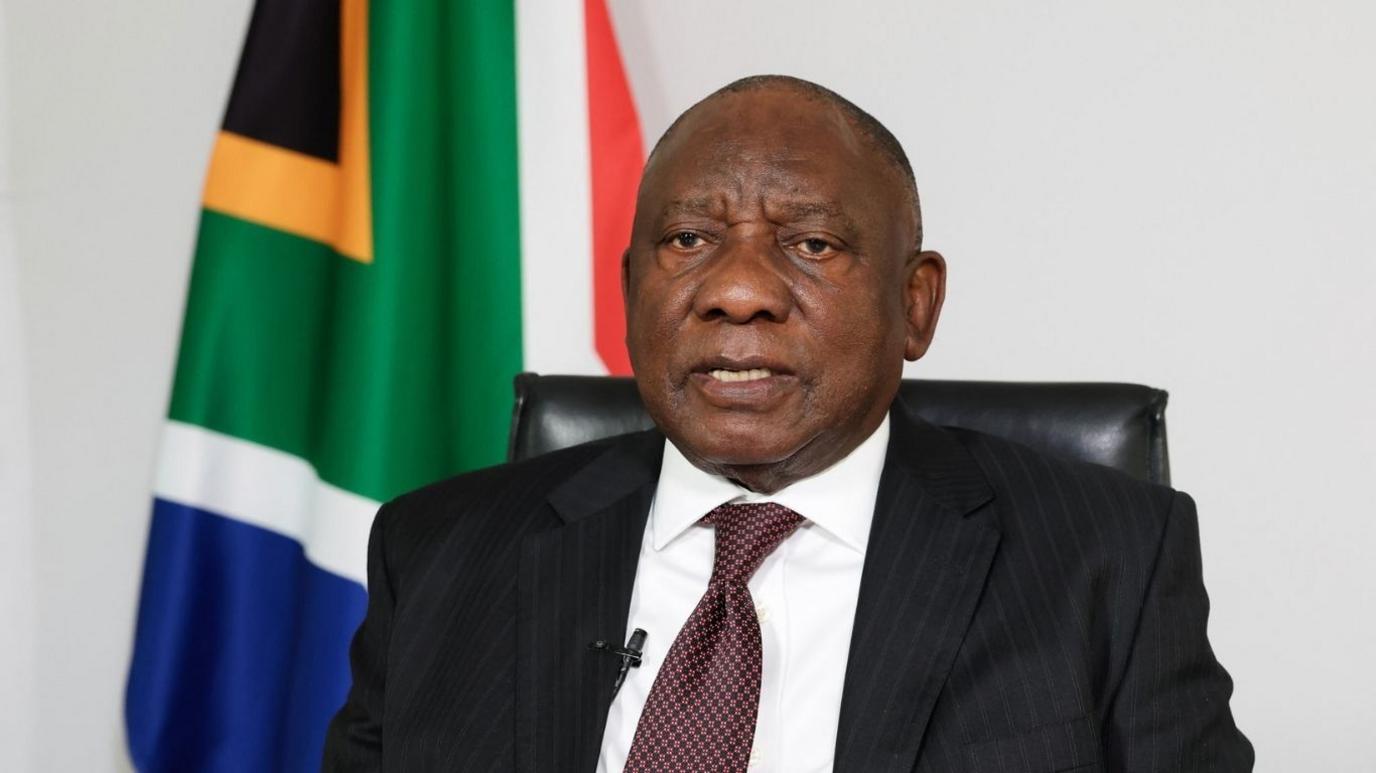
The government, led by President Cyril Ramaphosa, is looking at a five‑point plan: stricter visa rules, a quota for citizenship and harsher penalties for employers who pay low wages to illegal migrants. The president also promised jail terms for those who give undocumented workers jobs. Yet, he warns that xenophobia is not the answer and that the country needs to protect all citizens.
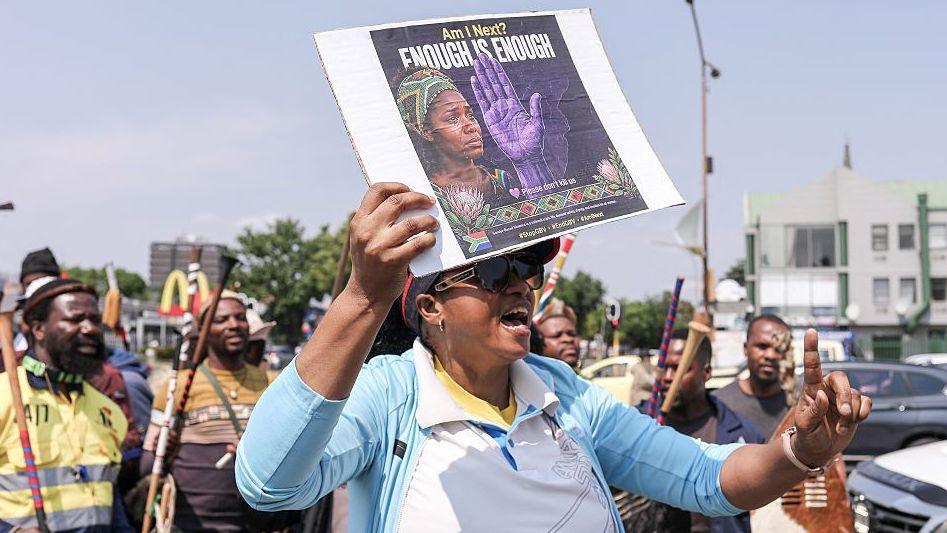
The mood has turned tense as politicians stir up fear about migration. March and March, the anti‑migrant group, set the deadline and chant “Mabahambe” (Zulu for “they must go”). Other groups say they just want justice for those who abuse the system, but their rhetoric fuels distrust.
Reports show that 40 000 illegal migrants have been arrested this year alone. Yet around the field in Durban, many locals fear for their safety and say they can’t go to the shop or school because strangers question their papers. The situation is a stark reminder that the fight over migration is not just an economic issue but a human‑rights one.
Watch now: watch our 60‑second recap video to learn how the deadline is affecting lives and what to do if you’re a migrant in South Africa.