In brief
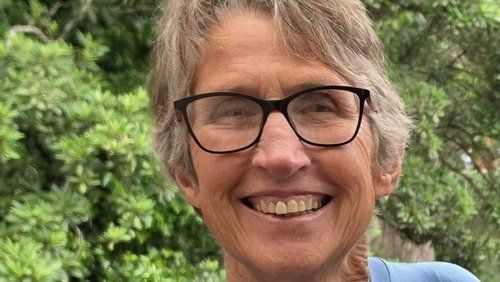
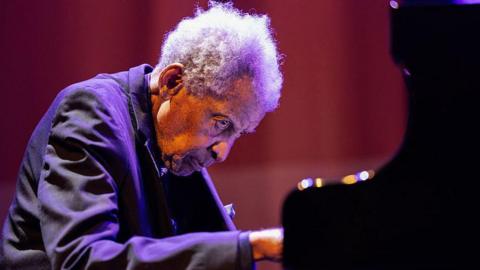
Abdullah Ibrahim, famed for the anti‑apartheid anthem "Mannenberg," has died peacefully at 91 in Germany. Born Adolph Brand in Cape Town, he grew up on piano, later converting to Islam and taking the name Abdullah. With eight decades of compositions, he fused South African rhythms with jazz improvisation and toured worldwide, yet always stayed true to his roots. President Cyril Ramaphosa praised his music as a beacon of freedom, and his partner Dr Marina Umari highlighted his lifelong devotion to South Africa.
A Jazz Song in the Language of Freedom
Abdullah Ibrahim, once known as Dollar Brand, a name that came from his childhood piano practice, has died at 91. He left a life‑wide map of jazz that sang with the heartbeat of South Africa.
Early Life & First Notes
Born in 1934 in Cape Town, the boy started composing at the piano before he could even read. By his teens he was in the swing band that became the Jazz Epistles—musical rebels during a time when colors were legally separated.
Name, Faith, and Fame
In the late 1960s he converted to Islam and changed his name. Becoming a global ambassador, he was taken to the U.S. by Duke Ellington, who saw in him a new voice for jazz.
The Anthem of Resistance
He wrote “Mannenberg” in 1974—a title that became the soundtrack to the movement against apartheid. The track’s piano chords echoed the pulse of the protest trenches.
A Voice That Stood, Even While Exiled
Although he lived abroad in Switzerland and later the U.S., he kept returning to South Africa for tours and recordings, keeping the connection alive.
Last Performance & Farewell
His final live show was at the Cape Town International Jazz Festival, a months‑old moment when he filled the stage with his soulful improvisations. His family said he passed peacefully surrounded by relatives in Germany after a brief illness.
President Cyril Ramaphosa said Ibrahim’s music “honoured the South Africa that shaped his political commitment and musical brilliance.” Fellow musicians and his partner Dr Marina Umari echoed that sentiment, reflecting on the humility and power of his melodies.
Legacy
With dozens of recordings, Ibrahim transformed jazz by blending the rhythmic feel of South African traditions with improvisational jazz. Future generations of pianists continue to learn from his bold yet gentle touch.
© BBC - Original photo by AFP via Getty Images. All copyright and licence © BBC.