In brief
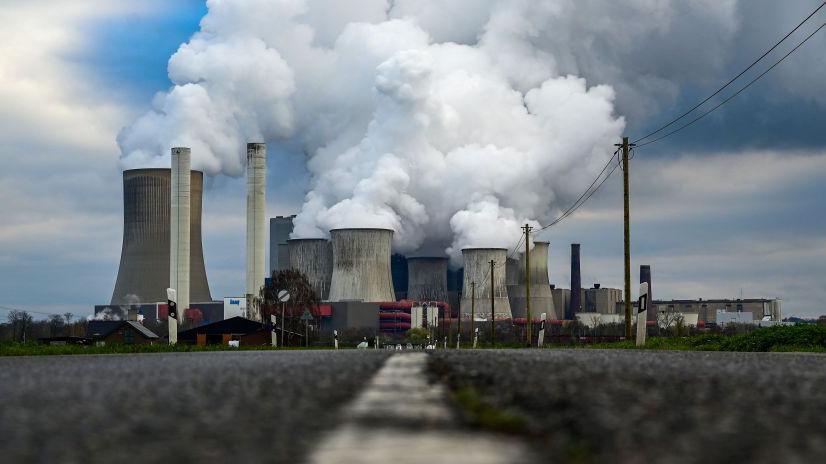
Germany has pledged to stop burning coal by 2038, yet rising gas costs and supply worries could push politicians to extend its coal phase‑out. The country already relies on 20% of its power from coal, while renewables supply over half of its electricity. A mix of political pressure from industry, environmentalists and different parties may mean more coal stays on the grid. The government must decide whether to keep coal as a backup or push harder for renewables before August’s policy review.
Germany’s green flag has been up for years. With plans to stop all coal plants by 2038, the country is a world leader in cutting carbon. But in 2026, high gas prices and supply worries are making the council rethink a strict coal phase‑out.
Why the debate matters
- Coal supplies 20% of Germany’s electricity today.
- Renewables already power 59%—the biggest share in Europe.
- Natural gas provides a cheaper backup than coal but is mostly imported.
- Germany’s nuclear plants shut down last year, leaving a gap for winter power.
The challenge is therefore two‑fold: supply and cost. Germany owns plenty of cheap lignite coal—its biggest European reserves—yet it buys almost all gas abroad. If gas prices swing up, coal looks financially attractive because it’s secure and cheap.
Back in March, Chancellor Friedrich Merz warned that the industry cannot wait for unrealistic targets: "I am not prepared to jeopardise the core of our industry simply because we have adopted phase‑out plans that have become unrealistic."
Would that be the start of a phase‑out of the phase‑out? Keep coal or keep the green? That’s the question today.
Industry vs. Environment
LEAG, Germany’s second biggest lignite miner, says the government’s focus on supply is welcome. It highlights how quickly the company can return coal to the market when needed, especially after the Russian gas cut after 2022. “We already proved we can tap reserves when the situation demands it,” the statement says.
On the other hand, Hauke Hermann, an environmental researcher, argues that coal is not the solution. He stresses a jump in renewables instead of more lignite.
A German chemical lobby chief says companies need reliability: "Renewable energy alone cannot yet guarantee it… Companies will only invest billions if they can trust that energy will remain reliably available at competitive prices in the future."
Policymakes a tough line. The CDU/CSU centre‑right wants more coal; the SPD left wants to stick to the 2030 lignite deadline. The upcoming parliamentary committee will study whether to keep six backup coal plants that use imported hard coal instead of lignite. The decision will shape Germany’s supply chain for the next decade.
What’s next?
In August, the government plans to publish a statutory review of the coal phase‑out—originally meant to accelerate it. Now, that review may slow the green push. By the end of the year, the 2030 deadline will be kept or postponed with coal kept as a “strategic reserve” for winter peaks.
For young readers, this means the future of German electricity is turning on a few switches: how much coal can stay, how much gas is subsidised, and how fast wind and solar can grow. Stay tuned to this energy showdown!