In brief
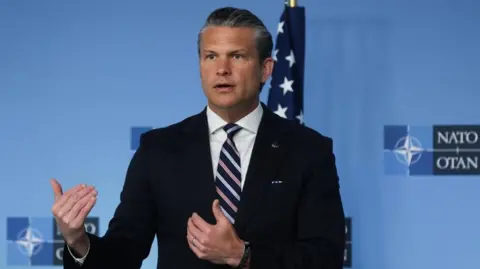
At a NATO defence ministers meeting in Brussels, US Secretary of Defence Pete Hegseth sharply criticised several NATO members as ‘free‑riders’, announcing a six‑month review he dubbed Nato 3.0 aimed at speeding up Europe’s security role. He warned that those who fail to raise defence spending to the 5 % of GDP target—3.5 % core defence and 1.5 % for infrastructure—will see US contributions shrink. The review follows Washington’s decision to scale back high‑readiness forces, likely cutting air and naval commitments. With the US pulling 5,000 troops from Germany and balancing a potential permanent base in Poland, Hegseth’s criticism adds pressure on European allies to meet the agreed spending pledge ahead of the upcoming Ankara summit.
At a NATO defence‑ministers summit in Brussels this week, U.S. Secretary of Defence Pete Hegseth publicly singled out a handful of alliance members as ‘free‑riders’, then announced a six‑month review he has branded Nato 3.0 aimed at pushing the bloc’s European security arm faster and harder.
The ‘free‑rider’ banner
Hegseth said that while some nations would “fail” to meet the alliance’s new spending targets, others would ‘pass with flying colours’. He stopped short of naming specific countries, but the tone was unmistakable: those who are not contributing to the required 5 % of GDP—3.5 % in core defence and 1.5 % for related infrastructure—might see their U.S. troop presence reduced or withdrawn.
Nato 3.0 and the 5 % rule
The review’s goal is to make sure NATO is “moving fast and irreversibly toward Europe leading” on security. The U.S. is pressing peers to deliver concrete plans that will bring them up to the 5 % GDP commitment by 2035, a target set in The Hague last year and already exceeded by several allies.
Scaling back American forces
The decision arrives after Washington announced a cut to its high‑readiness force model (NFM) – a set of units it can call on at short notice. While the exact nature of the cut is still under wraps, the ministry said it would likely involve air and naval capabilities.
Impact on the wider alliance
Poland called the U.S. move “a welcome reminder of security equipage” after the U.S. had previously proposed pulling 4,000 troops from the country, only to reverse the offer later. Romania, Hungary and the Baltic states will also be on the radar as the review looks at how each country can meet the 5 % GDP pledge.
The UK’s hands‑free position
Meanwhile, UK Defence Secretary Dan Jarvis attended the Brussels meeting without a formal defence investment plan in place—a move that has drawn criticism from NATO allies, who noted the plan’s shortcomings.
Image credit: EPA