In brief
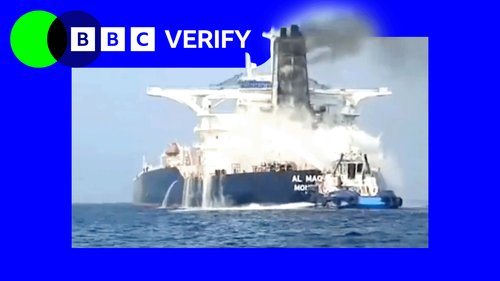
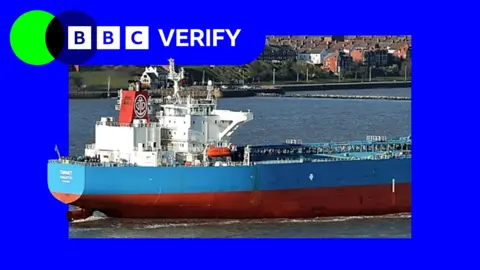
The Forwarder, a Russian‑flagged tanker that left Russia’s Primorsk port, crossed the English Channel on Wednesday night, marking the first such entry since the UK seized the Smyrtos. Satellite and ship‑tracking data show the vessel headed for China’s Dongying port, avoiding the now‑saturated shipping lane that many sanctioned ships have steered clear of. UK officials warn that the presence of ships like the Forwarder, under the shadow fleet’s cover, complicates enforcement, but recent policy shifts mean the Royal Navy may step in to board them. Meanwhile, the number of shadow fleet vessels crossing the Channel has surged, with nearly 200 passing through since the UK’s new intercept rules, and 94 recorded briefly entering 12‑mile territorial waters.
A shadow‑fleet tanker, the Forwarder, slid into the English Channel Wednesday night, the first such motion since the UK seized the smuggler Smyrtos.
The vessel left Russia’s Primorsk port on 12 June loaded with crude. Satellite imagery shows the tanker heading north‑west toward China’s Dongying refinery, carving a path through a waterway that has become a hotbed for sanction‑busting maneuvers.
The Forwarder is part of Russia’s shadow fleet – a fleet of roughly 700 aging tankers that use obscure flags to transport sanctioned oil. Previously, most sanctions‑listed ships avoided the English Channel after the UK seized the Smyrtos, since the number of foreign warships, such as the Royal Navy’s HMS Tyne, appeared to be escorting them.
From the latest data, the Royal Navy has stepped up its presence, with HMS Tyne operating near the Forwarder’s coordinates. Meanwhile, the UK’s Ministry of Defence remains tight‑lipped, saying they will not comment on specific operational plans but that “each target ship will be separately assessed by militias and energy specialists.”
Almost 200 shadow‑fleet vessels have since crossed the Channel, with 94 breaching UK territorial waters—making it a key area for enforcement. The UK’s post‑Keir Starmer announcement of the ability to board sanctioned ships “not operating in accordance with international law” raises the question of whether the Royal Marines might act on vessels like the Forwarder.
Whether the UK will take decisive action remains unclear. The escalating tensions over oil smuggling and sanctions enforcement are putting a spotlight on the shadow fleet’s role in keeping Russia’s finances flowing amid conflict‑driven restrictions.