In brief
Germany is on the brink of turning back to coal after steeling its renewable output, as soaring gas prices might make cheap lignite more attractive. The government is debating whether to stick to the 2030 lignite deadline or keep a few coal plants running as a safety valve. While coal‑friendly parties push for flexibility, the opposition warns the move could lock Germany into fossil fuels. The outcome will shape Germany’s future energy mix, power prices and the fight against climate change.
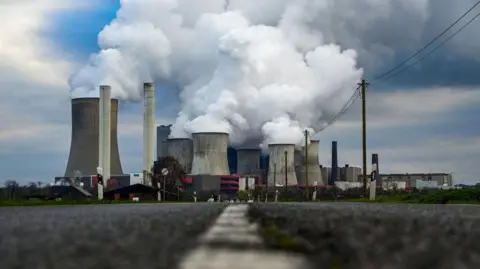
Germany’s electricity mix is at a crossroads. 20% of the country’s power still comes from coal, yet the government vowed to shut all power plants by 2038, with a 2030 target for lignite, the most polluting coal type.
That plan suddenly feels fragile as gas prices have shot up after the Iran‑Israel conflict, and natural gas makes up 13% of German electricity. With imports now hit by price spikes, cheap domestically extracted lignite offers a tempting fallback. A win‑win would be having gas as a backup to wind and solar, but many are asking if restarting coal plants is the answer.
Industry voices are split. Businesses want reliable, affordable power, while the environmental side pushes for faster renewables. Some politicians in the grand coalition – the centre‑right CDU/CSU favouring coal continuation, and the left‑wing SPD opposing it – are stuck. The government must decide this year whether to keep a short supply of coal for emergencies or fully honour the 2030 deadline.
The debate has also reached the parliament, with a committee studying a compromise that would allow a handful of coal plants to run continuously. These plants use imported hard coal, less dirty than German lignite, and could power millions of homes in winter.
Germany’s future depends on the balance between security, affordability and climate responsibility. The next few months will decide whether the coal phase‑out is accelerated, paused or halted, with global politics and energy markets keeping everything on edge.
Source: BBC News article (June 2026).