In brief
Kentucky sheep farmer Daniel Bell faces obstacles in his renewable energy plans, highlighting a broader issue as many farmers wait for funding and navigate new policies under the Trump administration. With REAP grants frozen and tax credits in flux, many are left uncertain about their futures and investments in solar energy, despite its promise. Some have found workarounds by partnering with solar companies, but the future of federal support remains unclear, leaving many in the agricultural sector anxious.
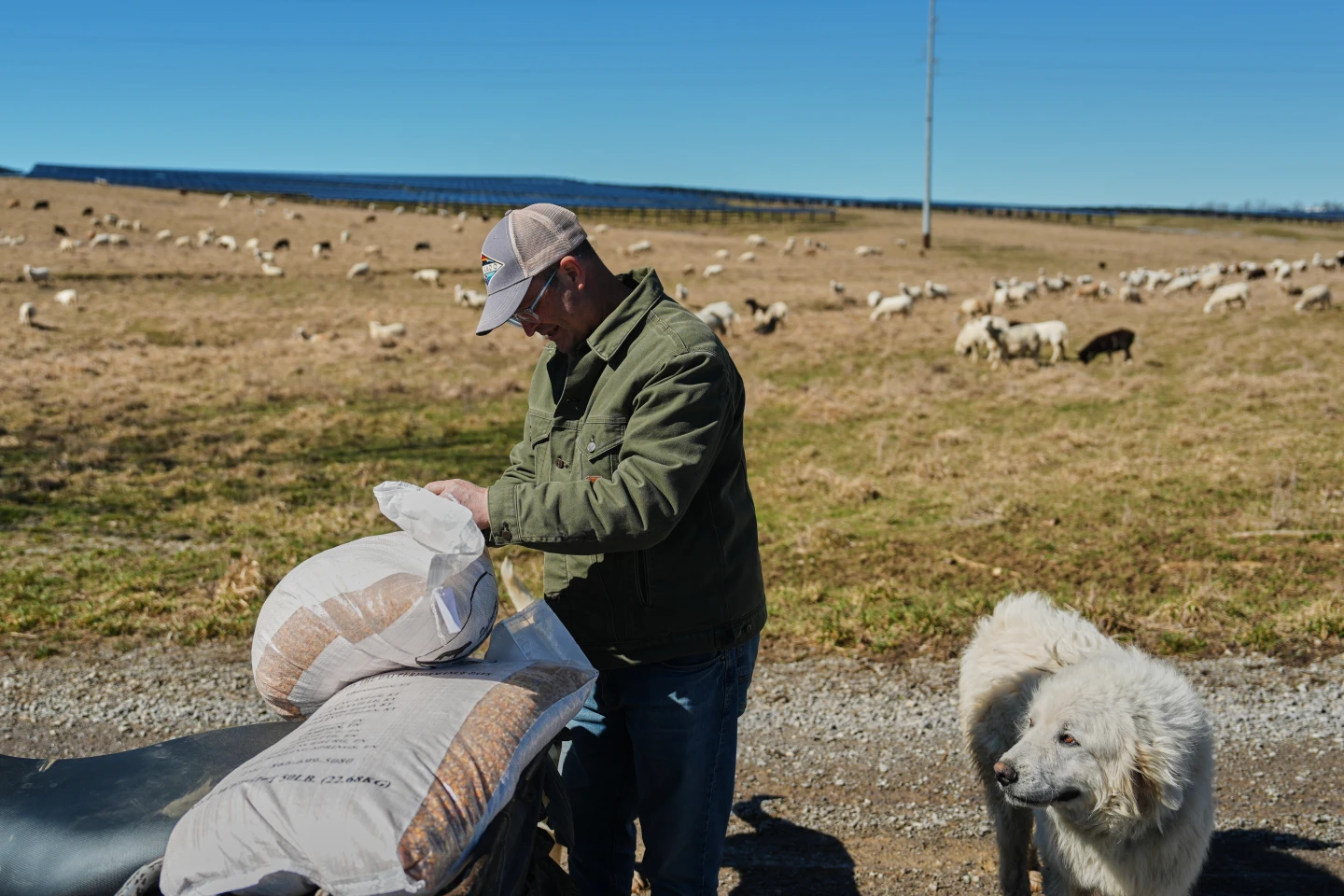
Over the past few years, Kentucky sheep farmer Daniel Bell has been expanding his flock, which required building a new barn. As his land is far from power lines, Bell considered rooftop solar a perfect fit.
However, when he sought to apply for a renewable-energy grant through the USDA's Rural Energy for America Program (REAP), he discovered the Trump administration had effectively paused grant disbursements. For me, it’s just been about freedom. Freedom to lower bills, freedom to control my own assets, Bell shared.
This situation reflects wider struggles among farmers like Bell, who often operate on thin profit margins and rely on federal support to install renewable energy sources like solar. Despite the clear benefits of such investments, including lower electricity costs and environmental impacts, many projects are now stalled.
The USDA announced it would halt all REAP grants to comply with new regulations and align with an executive order from Trump last summer, adding to the uncertainty. With no new funding disbursements in recent months, farmers are left wondering about the future of their energy projects.
In response, some farmers have pivoted to alternative arrangements, such as grazing livestock under existing solar panels. While some companies continue to forge ahead with projects due to strong market demand for renewable energy, the lack of federal support has raised concerns about the future of agriculture's energy transition.