In brief
In Ohio, farmer Wayne Greier faced community resistance while trying to utilize his farmland for a solar project to alleviate medical debts. With a yearly lease of over $540,000 blocked by local officials, Greier's struggle highlights the tension between agricultural interests and renewable energy development. Advocates believe that solar energy can stabilize income for farmers, while others voice environmental concerns. The ongoing debate reflects a larger national trend, as many counties grapple with the balance between climate action and local needs.
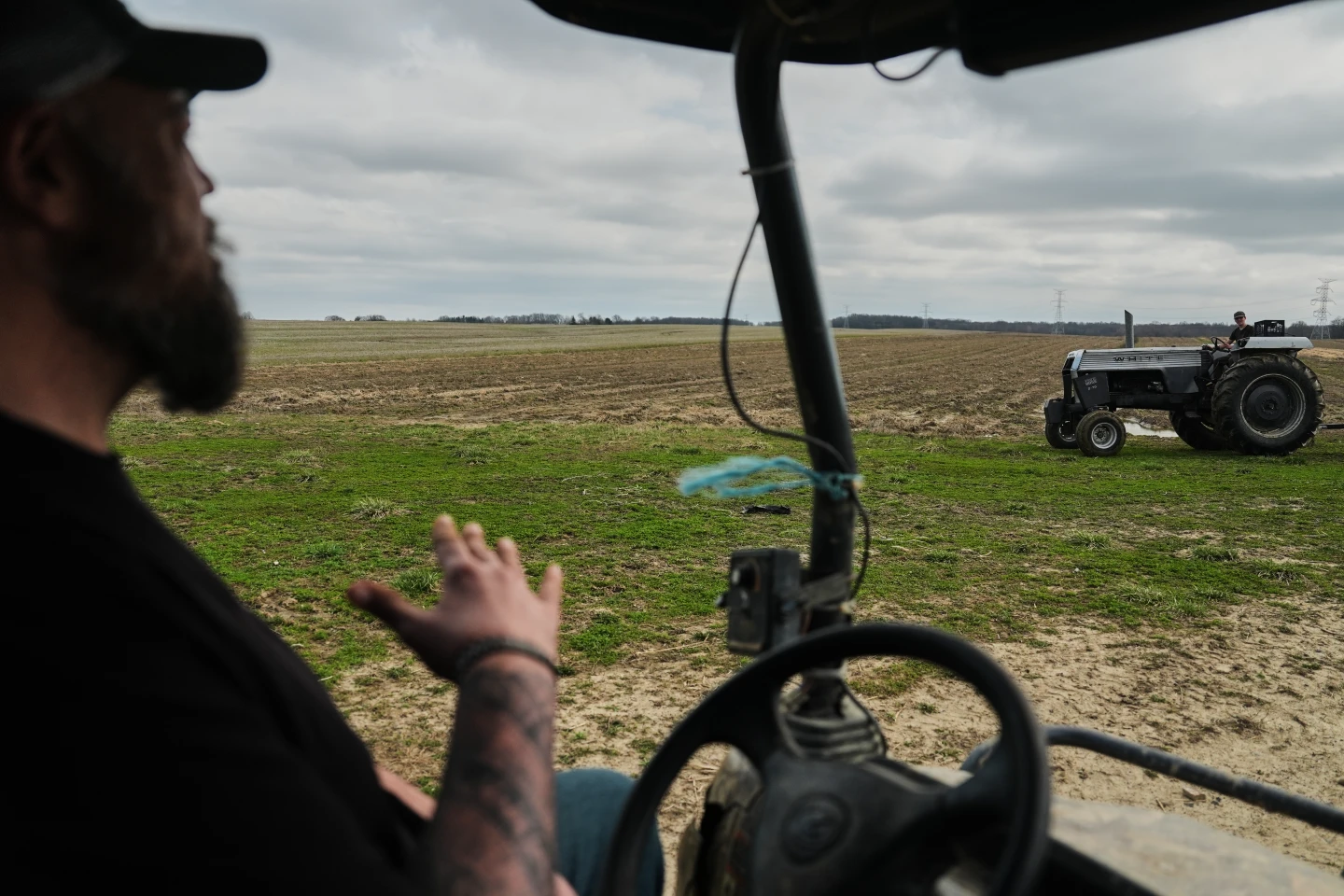
CANFIELD, Ohio (AP) — Farmer Wayne Greier gazes out at his property, hoping to turn part of it into a solar farm to tackle his growing medical debts. But local opposition has derailed his plans, leaving him feeling isolated within his community as discussions escalate over the future of renewable energy in agricultural areas.Many community members express concern over the environmental impacts and the perceived loss of farmland. Greier reflects on the potential financial relief solar could provide, saying, It wasn’t a scary picture that everybody likes to paint about solar and the loss of farmland.As counties across the nation reconsider their bans on solar and wind projects, local discussions are ongoing about the balance between agricultural needs and the push for clean energy—issues affecting families like Greier's, who depend on the land for their livelihood. Advocates argue that renewable energy development could provide necessary income stability in unpredictable agricultural markets.