In brief
With gas prices on the rise and energy concerns dominating discussions, Europe is looking towards nuclear energy as a viable solution. European leaders, like Ursula von der Leyen, are advocating for a shift back to nuclear power, which once constituted a significant portion of the continent's energy supply. Although some countries are preparing to invest in nuclear technology, questions remain regarding the safety, costs, and long-term viability of nuclear energy amid shifting public opinion and environmental considerations.
With a pit in their stomach, families and industries across Europe are watching gas prices and the cost of filling vehicles with petrol spiral. While the UK government has told voters pretty much to keep calm and carry on, the European Commission has called on people to work more from home and travel less. Policymakers warn that energy situations might worsen, especially with ongoing tensions in the Middle East. The recent history of Europe's energy crisis, following the invasion of Ukraine, has reignited discussions on energy independence.
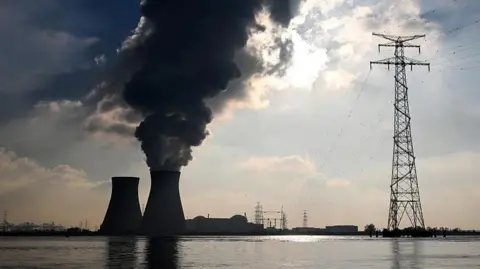
Nuclear energy is emerging as a primary candidate for inclusion in a new home-grown energy mix across Europe, following years of skepticism. But how quickly can nuclear contribute to the solution? At the European Nuclear Energy Summit, EU leaders like Ursula von der Leyen emphasized that neglecting nuclear energy was a 'strategic mistake.' With nuclear power currently producing only 15% of Europe's electricity (down from a third in 1990), the reliance on imported fossil fuels has heightened vulnerability to market fluctuations and geopolitical tensions.
Various countries are reconsidering their stance on nuclear power: Italy is drafting laws to lift its long-standing ban, Belgium is shifting its nuclear stance, Greece is initiating discussions on advanced reactor designs, and Sweden has reversed its anti-nuclear position. In the UK, officials are streamlining regulations to support nuclear projects.
Support for nuclear power is growing, especially in France where President Emmanuel Macron champions nuclear energy as vital for energy independence and reducing carbon emissions. However, experts caution against viewing nuclear power as a quick fix; development takes time and substantial investment and comes with concerns over waste management and safety.
While small modular reactors (SMRs) offer a promising, cost-effective alternative, they remain untested on a large scale. Currently, Europe is still heavily reliant on imported fossil fuels, underscoring the need for strategic independence in energy production amidst fluctuating global markets.