In brief
In an alarming incident, 18 wolves have suspectedly died from poisoning within Italy's Abruzzo, Lazio, and Molise National Park. The park officials found signs of suspected poisoned bait causing widespread concern for the ecosystem, prompting national attention from environment officials. Tests confirmed the presence of agricultural pesticides linked to the deaths, questioning the future of wolf conservation in Italy.
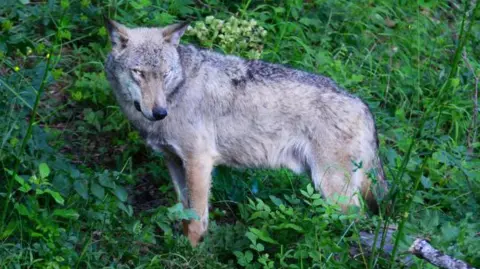
Poisoning is suspected in the deaths of 18 wolves within a few days in a national park that straddles three regions of central Italy. After the carcasses of 10 wolves were found last week, another eight were discovered when patrols were stepped up in recent days in the Abruzzo, Lazio, and Molise National Park. The park authority stated traces of suspected poisoned bait had been found in areas where five wolves died, leading to strong suspicions of further poisoning.The authority is working with local public prosecutors to determine the cause of death, while tests by the local animal health research institute corroborated initial suspicions. Thirteen dead wolves underwent analysis that revealed the presence of agricultural pesticides in poisoned bait. Environment Minister Gilberto Pichetto Fratin condemned the killings as horrendous and serious, emphasizing the importance of wolves in maintaining ecological balance.With wolf populations rising in Europe, the suspected poisonings threaten to undermine conservation efforts. Italy, home to about 3,300 wolves, faces the challenge of balancing wildlife protection with agricultural concerns, following a significant increase in wolf attacks on livestock. This incident might call for a reconsideration of recently downgraded protections that now allow for limited culling of wolves, signaling a possible shift in how wildlife is managed in the region.