In brief
President Trump has announced a significant rollback of greenhouse gas regulations by reversing the Obama-era endangerment finding. Experts predict potential negative implications for environmental standards and public health, including a predicted rise in greenhouse gas emissions and related health issues. While the administration argues this will lower car prices and spur economic growth, critics warn it could set the US behind in the global renewable energy race.
In a bold move, US President Donald Trump has decided to reverse the 2009 endangerment finding, which confirmed that greenhouse gases pose a danger to public health and the environment. This decision is expected to have significant repercussions for both the economy and the climate.
Fewer Restrictions on Emissions
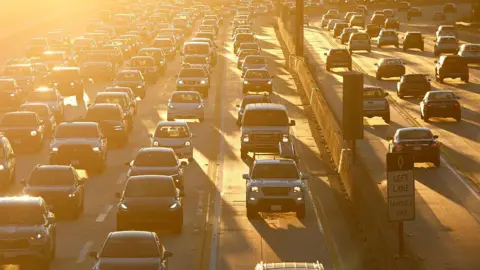
One immediate effect of this rollback is fewer regulations on greenhouse gas emissions from industries, particularly automobile manufacturers. Experts estimate that this could lead to an increase of 7.5 to 18 billion additional tons of emissions by 2055, possibly costing the economy trillions.
Impact on Vehicle Prices
On a positive note, the administration claims that this decision could reduce the production costs for cars by approximately $2,400 per vehicle, making them cheaper for consumers. However, this could complicate exports, as many international markets still enforce stricter emissions standards.
Legal Consequences
Furthermore, the reversal may usher in a wave of public nuisance lawsuits against companies that contribute to pollution, a legal route previously curtailed by the endangerment finding.
Public Health Risks
Health experts warn that this may lead to thousands of additional premature deaths and asthma cases within the next few decades due to increased pollution.
Global Competition Concerns
As other countries continue to advance in renewable energy, critics argue that rolling back these regulations can leave the US automotive industry stagnant and uncompetitive.
Conclusion
The implications of Trump's climate policy reversal are complex and far-reaching, sparking a debate over environmental responsibility versus economic growth.