In brief
The UN's World Meteorological Organization warns that Earth's climate is at its most unstable point, with record heat energy retention leading to severe consequences like rising ocean temperatures, melting ice caps, and intensified extreme weather. With the El Niño phenomenon on the horizon, experts predict even higher temperatures. UN Secretary-General António Guterres emphasizes the need for a shift to renewable energy to combat these challenges.
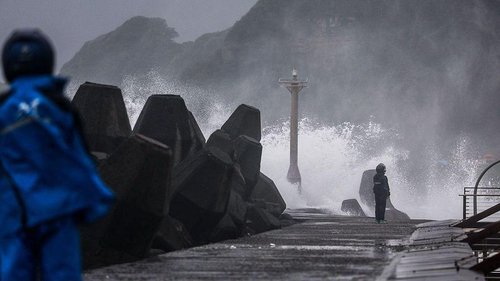
The Earth's climate is reported to be further out of balance than it has ever been in recorded history, according to a recent warning from the United Nations' weather agency. The World Meteorological Organization (WMO) highlights that the planet is absorbing significantly more heat energy than it can disperse, largely due to emissions of carbon dioxide and other warming gases.This 'energy imbalance' led to record ocean temperatures last year and continued melting of polar ice caps. With the natural warming phase known as El Niño forecasted to begin later this year, scientists are concerned about the potential for setting new heat records.In response, UN Secretary-General António Guterres stressed the urgency for countries to transition from fossil fuels to renewable energy to ensure climate, energy, and national security. He echoed that 'Planet Earth is being pushed beyond its limits,' with all crucial climate indicators showing alarming trends.The last eleven years mark the warmest years on record since 1850, with the global average temperature in 2025 showing an increase of approximately 1.43°C over pre-industrial levels.Despite a slight cooling due to the La Niña weather pattern, 2025 remains among the hottest years recorded. The WMO urges immediate action, citing accelerated warming due to human activities as a significant contributor to this imbalance. Increased heat in the ocean affects marine ecosystems, intensifies storms, and contributes to rising sea levels, with over 90% of the excess heat being absorbed by the oceans.As scientists observe the potential development of El Niño later this year, experts like Dr. John Kennedy of the WMO warn it could lead to new global temperature records. This anticipated temperature spike underscores the pressing need for environmental action to combat climate change now and in the years to come.