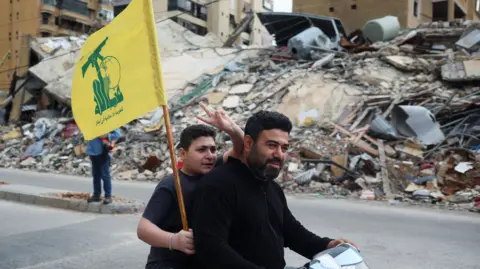
On April 16, 2026, U.S. President Donald Trump announced a significant 10-day ceasefire between Israel and Lebanon, starting at 17:00 EST. This vital agreement comes after six weeks of escalating tensions between Israel and Hezbollah, the Iran-aligned militant group.
Trump urged Hezbollah to respect the truce, expressing hopes for good behavior during this period. Following the announcement, he invited Israeli Prime Minister Benjamin Netanyahu and Lebanese President Joseph Aoun to the White House for further discussions.
The ceasefire terms highlight Israel's right to self-defense excluding Hezbollah, while Lebanon must take action against attacks from any non-state armed groups. Both sides have acknowledged the need for direct negotiations facilitated by the U.S. for a more stable peace agreement.
Israeli leadership sees this ceasefire as an opportunity for a historic peace accord, with Lebanese authorities hoping it will facilitate the return of displaced individuals to their homes. However, Hezbollah's involvement remains complex, as they demand comprehensive measures against Israeli forces in return for support of the truce.
International leaders, including UN Secretary General António Guterres and EU Commission President Ursula von der Leyen, have praised the ceasefire initiative while emphasizing the importance of a lasting resolution and respect for sovereignty in the region.
Despite the ceasefire, Israel has indicated its troops will maintain a secure presence in southern Lebanon to prevent further conflicts.