What we know about the two-week ceasefire between the US and Iran
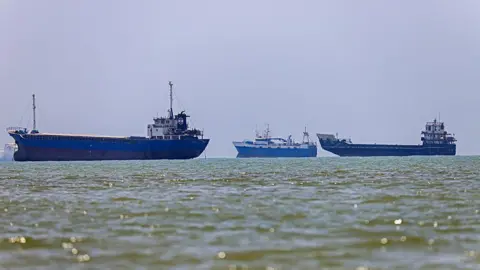
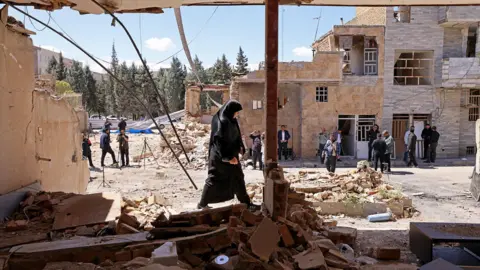
Iran and the US have agreed to a conditional two-week ceasefire, allowing shipping traffic through the Strait of Hormuz. This comes after recent attacks coordinated between the US and Israel against Iran and threats from US President Donald Trump regarding dire consequences if Iran did not reopen the Strait.
Pakistan's Prime Minister Shehbaz Sharif mediated the negotiations and announced the ceasefire was effective immediately. Trump's agreement to suspend military actions depends on Iran's reopening of the crucial oil passage.
Statements from US and Iran
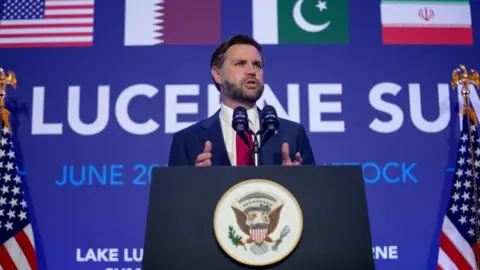
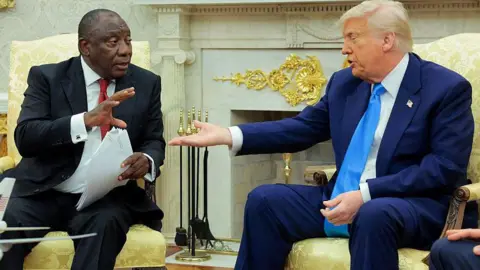
Trump stated that he would pause attacks on Iran for two weeks in exchange for the reopening of the Strait, while also mentioning that the US has met its military objectives. His prior warnings hinted at severe consequences, leading to reactions from international leaders.
Iran, for its part, agreed to coordinate shipping through the Strait and proposed a 10-point plan that includes a commitment to cease conflicts in various regions and a promise not to pursue nuclear weapons.
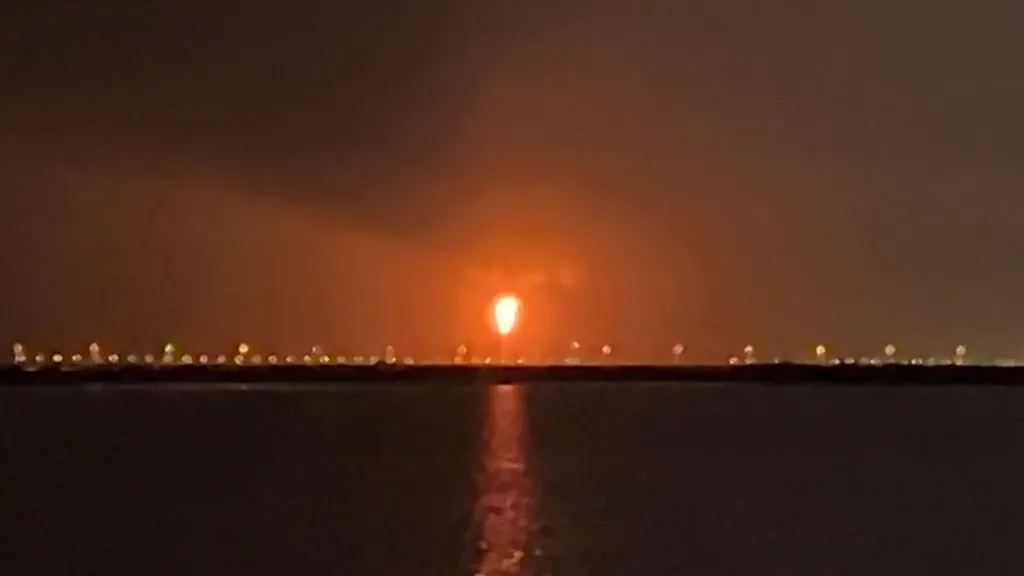
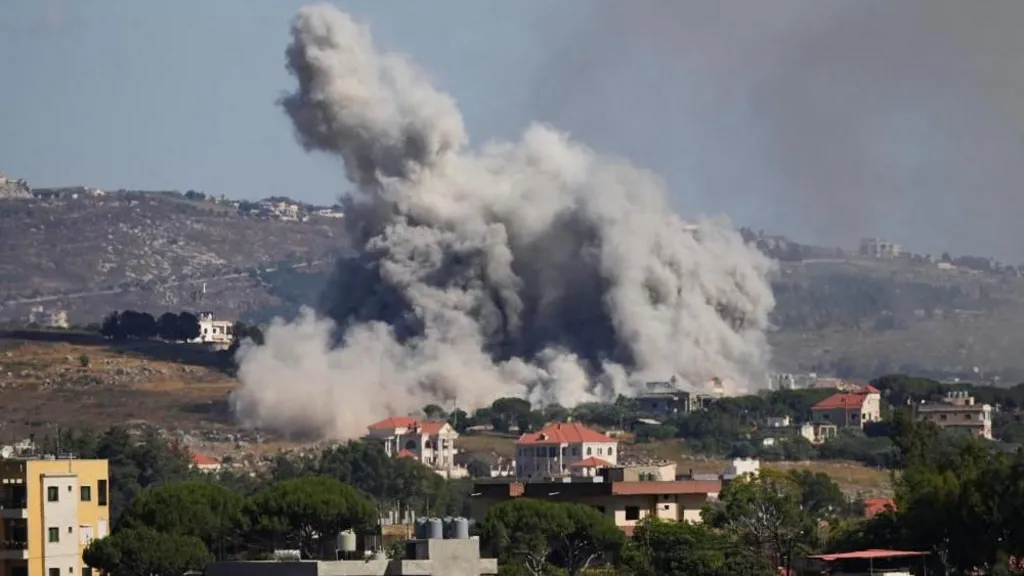
However, complications arise with actions still underway in Lebanon, where Israeli forces have been engaging Iranian-backed groups. The Israeli government has publicly supported the ceasefire but expressed concerns regarding Lebanon's ongoing conflicts.
What happens next?
As negotiations continue, international leaders have welcomed the ceasefire and called for a lasting peace, urging all parties to adhere to the agreement. Despite this, renewed tensions and reports of ongoing attacks complicate the situation, leaving the future of the ceasefire uncertain.