Iran and the US have agreed to a conditional two-week ceasefire, during which shipping traffic will be allowed through the Strait of Hormuz.
This comes more than a month after the US and Israel launched co-ordinated attacks on Iran, and hours after US President Donald Trump threatened 'a whole civilisation will die tonight' if Iran did not reopen the Strait.
Pakistan's Prime Minister Shehbaz Sharif, who has been mediating negotiations, said early on Wednesday that the ceasefire was effective immediately.
What have the US and Iran each said?
Trump said he'd agreed to 'suspend the bombing and attack of Iran for a period of two weeks' if Tehran agrees to reopen the Strait of Hormuz, a vital shipping route for oil and other exports from the Gulf.
In a post on Truth Social, Trump mentioned he agreed to the ceasefire because 'we have already met and exceeded all Military objectives.'
Iran agreed to allow vessels through the Hormuz Strait for two weeks, with their passage co-ordinated by the Iranian military.
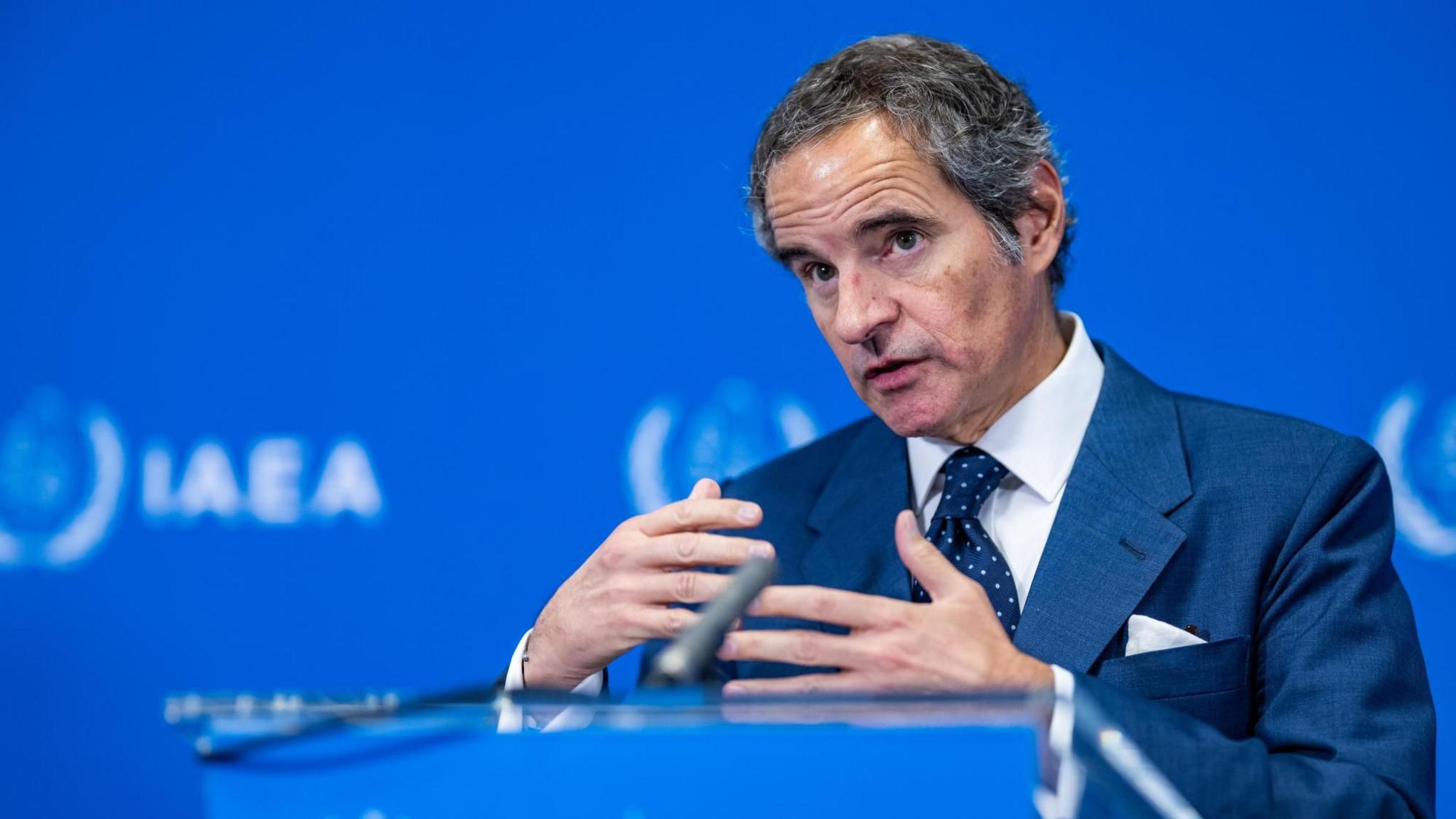
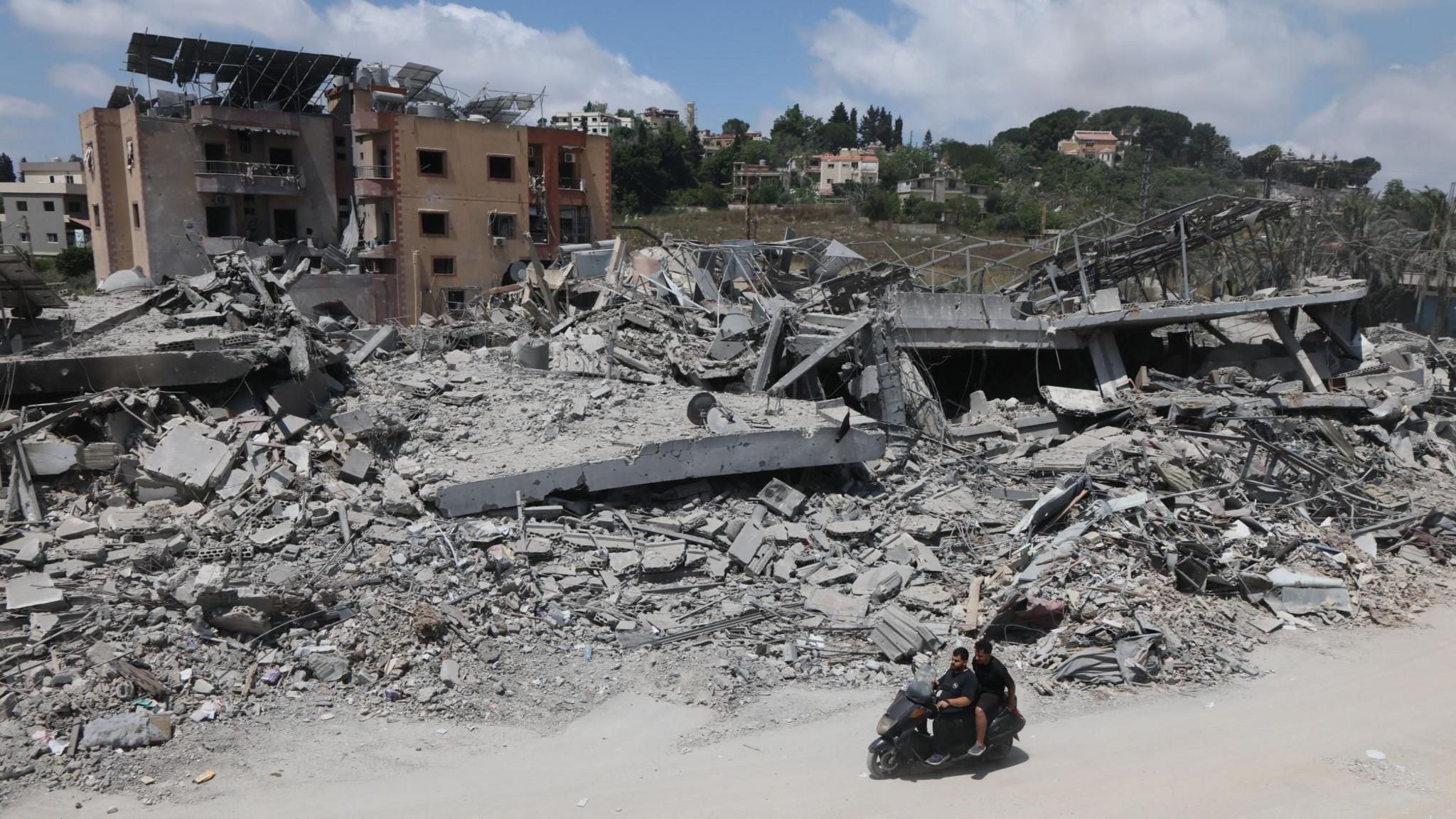
The country has also issued a 10-point plan which includes the cessation of war in Iran, Iraq, Lebanon and Yemen; lifting sanctions on Iran; and a commitment to not seek nuclear weapons. Sharif indicated that the ceasefire will also take effect in Lebanon, where Israeli forces are engaging Hezbollah.
What has Israel said?
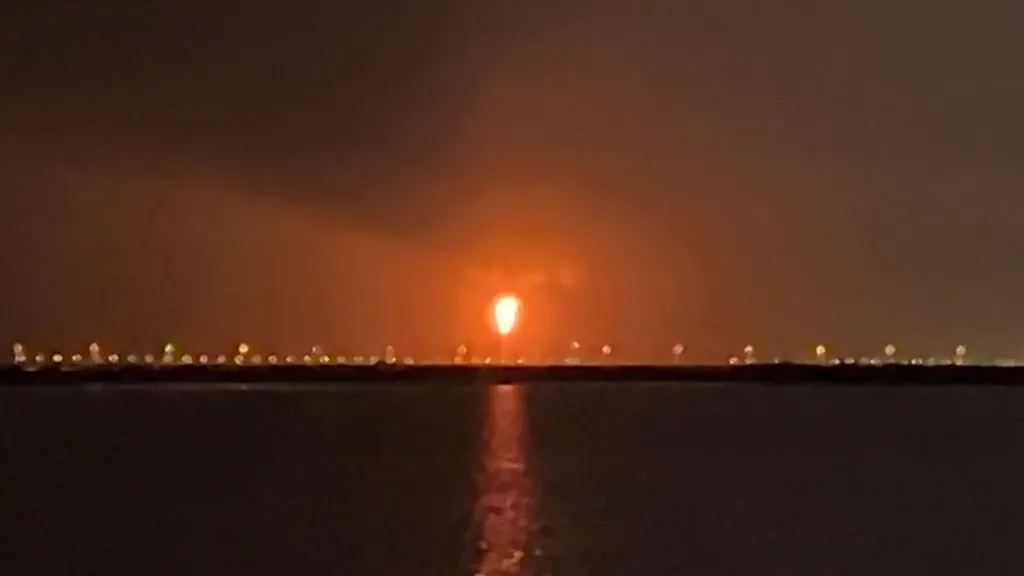
Despite the ceasefire announcement, Israel’s Defense Forces reported intercepting missiles fired from Iran, with sirens sounding soon after Trump's statement. Netanyahu expressed support for the truce but made it contingent on Iran ceasing all attacks.
What is next?
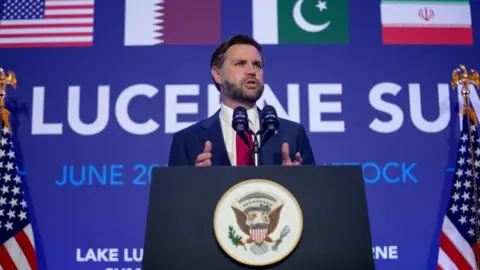
Pakistan continues to mediate the situation and has invited delegations to Islamabad for further negotiations. While discussions are ongoing, significant challenges remain with each nation presenting contrasting views on the ceasefire's implications.