In a significant escalation of tension, President Donald Trump has announced a series of targeted strikes on Iranian infrastructure, warning that the country must reach an 'acceptable' deal with the US and Israel, or face devastating attacks on its vital installations.
Trump has made headlines by threatening to revert Iran back to the Stone Ages with bombings targeting key assets like bridges and power plants, emphasizing that a comprehensive plan must be put in place by a looming deadline.
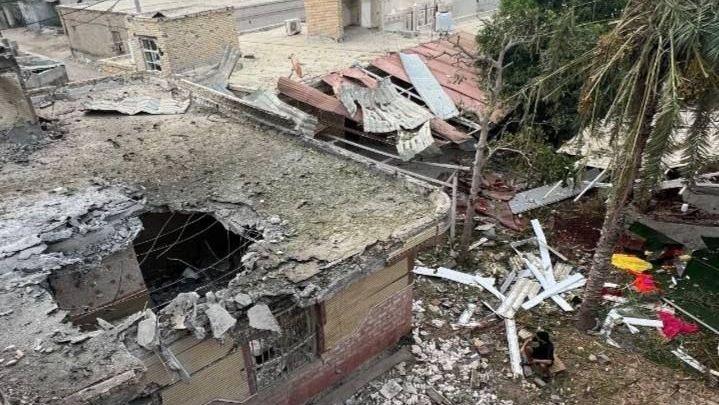
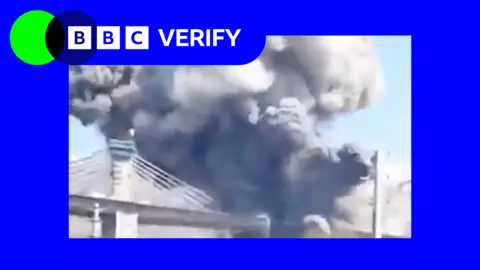
The strikes have already resulted in serious damage to critical infrastructure of civilian importance. Recent investigations by BBC Verify confirmed that at least two steel plants, three bridges, and a pharmaceutical facility have been targeted in recent days, causing immense distress to the Iranian population.
Consequently, several civilian locations including schools and hospitals have been caught in the crossfire, sparking international concerns regarding the legality and humanitarian implications of such military actions. Critics have argued that these hits on civilian structures could amount to war crimes, prompting fierce debates about the ethical ramifications of the conflict.
Moreover, images and video footage corroborate the destruction at numerous sites, including the Isfahan Mobarakeh Steel facility, which has been signficantly affected. With Iran's steel production at stake, economic analysts warn that the strikes could result in severe repercussions for the Iranian economy, risking about 3% of its GDP.
As hostilities continue, the larger implications for Iranian society, including access to healthcare and education, are beginning to unfold amidst the onslaught. Local representatives note that common Iranians are already reeling from the damage to essential services and infrastructure.
As the world watches this crisis develop, the situation raises urgent questions about international law, humanitarian safeguards, and the moral responsibilities of nations involved in conflict.