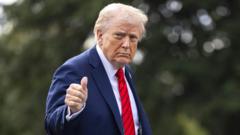
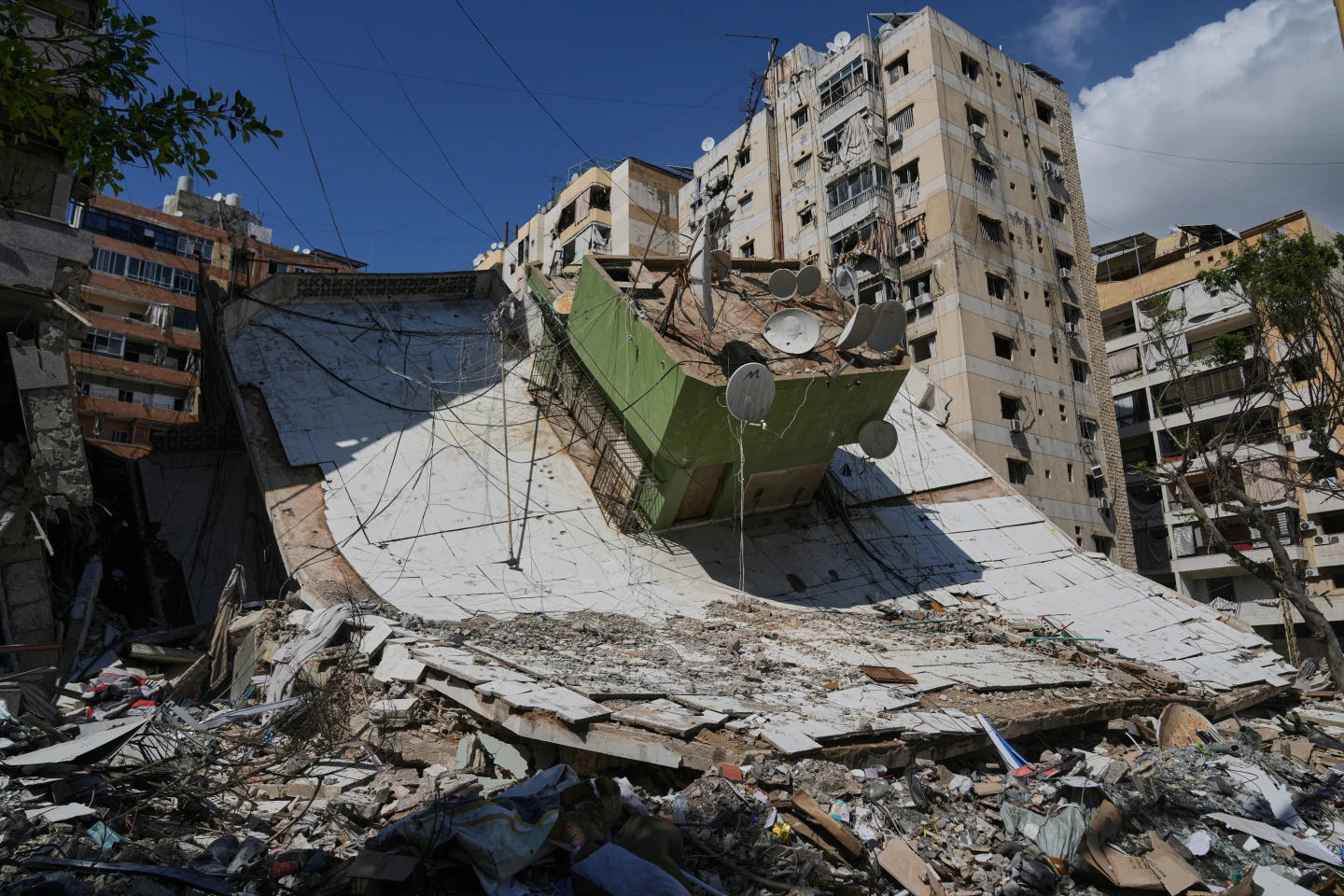
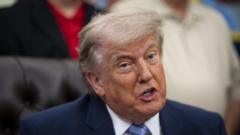
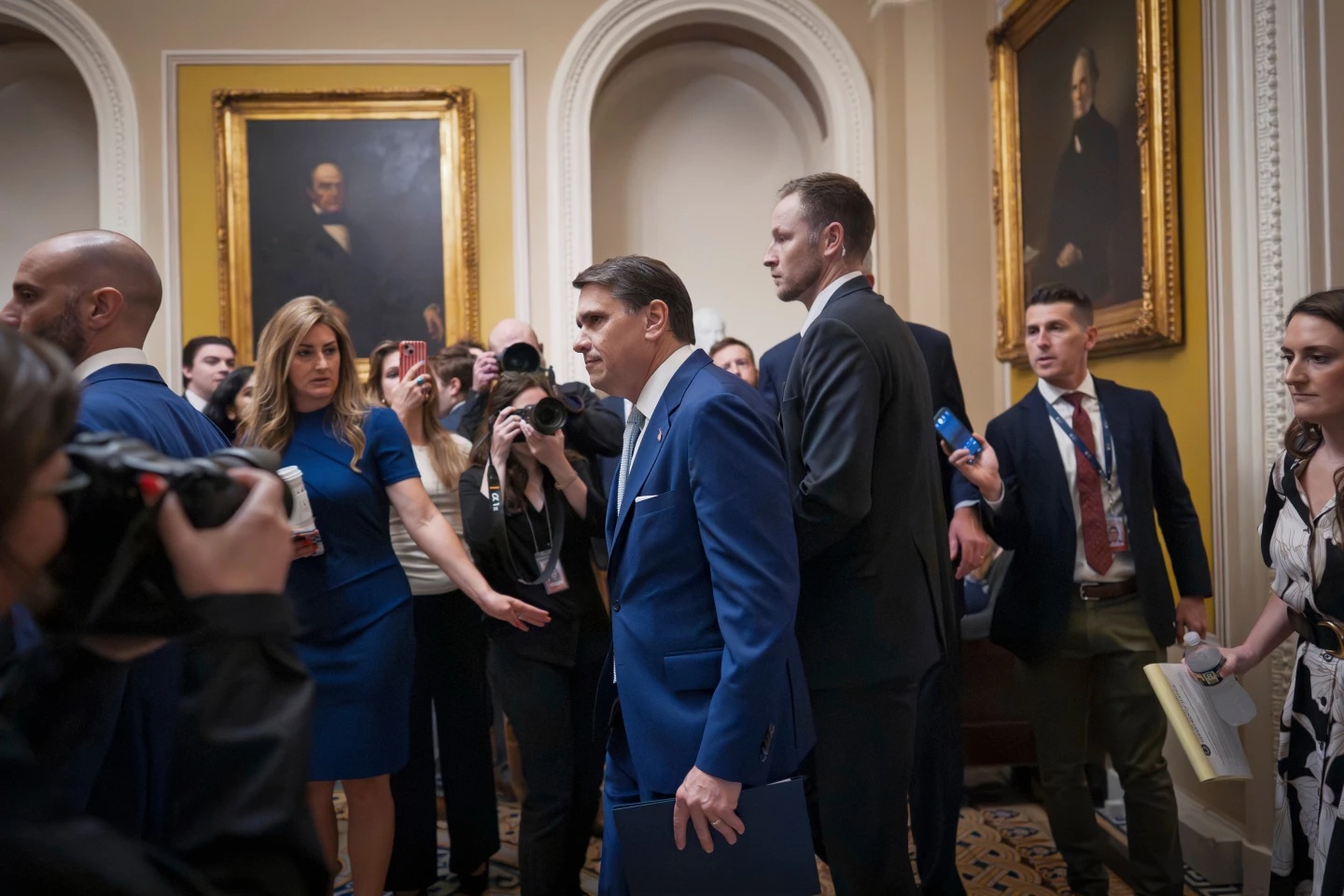
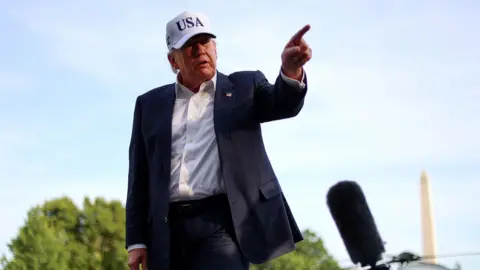
The clock is ticking on President Donald Trump's threat to wipe out much of Iran's civilian infrastructure if the country doesn't strike a deal by Tuesday evening in the US. However, military experts warn that the US military can't feasibly carry out such an extensive threat in one fell swoop. Trump has threatened to destroy 'every bridge' and power station in Iran within four hours. Targeting civilian infrastructure may constitute a war crime, according to international law experts. The reality is that the US military may not be able to even locate all the necessary targets swiftly. Experts emphasize the challenge of executing Trump's threats against a country as large as Iran, especially with its vital infrastructure scattered across regions that remain difficult to spot amid ongoing conflict. In light of these threats, discussions with international leaders continue as calls for an extended timeline for negotiations grow, most notably from Pakistan's Prime Minister. The urgency of the situation continues to accelerate as details emerge about US airstrikes already impacting Iranian infrastructure. The implications of this developing situation are profound, raising serious international law concerns and questions about the potential for civilian harm.
Trump's Ultimatum: What Lurks Ahead for Iran?
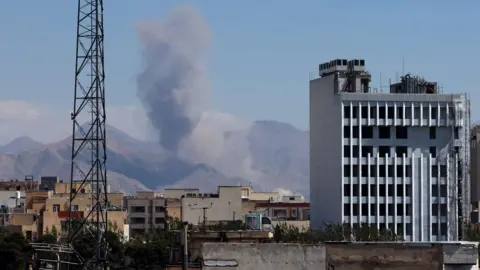
Trump's Ultimatum: What Lurks Ahead for Iran?
As President Trump issues a stark ultimatum to Iran, military experts weigh in on the feasibility and ramifications of potential US actions if a deal isn't struck. This escalating scenario raises serious concerns about civilian safety and international law.
President Donald Trump has threatened to inflict serious damage on Iran's civilian infrastructure if a deal isn't reached by a specified deadline. Experts express skepticism about the feasibility of such threats, arguing that the military's capabilities are not up to the task. The situation draws attention to international law implications and the potential for civilian casualties. Meanwhile, Pakistan's Prime Minister urges a two-week extension for negotiations while direct US-Iran talks continue amid ongoing military actions.