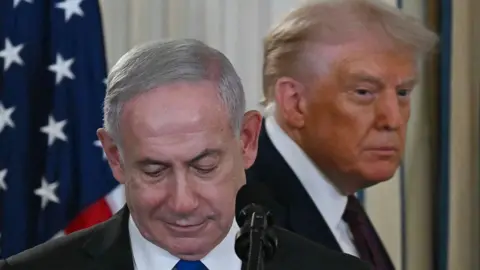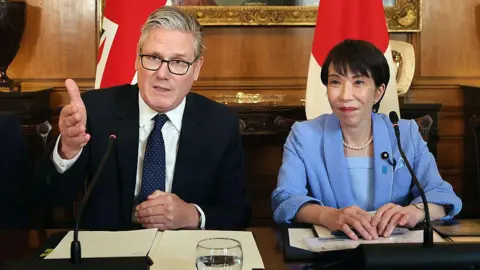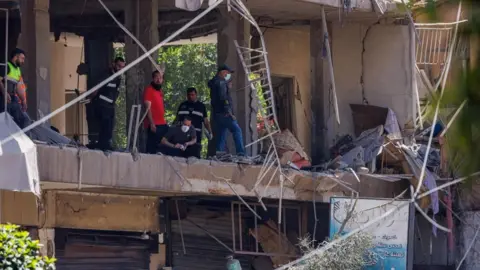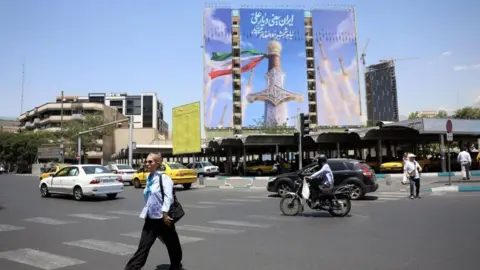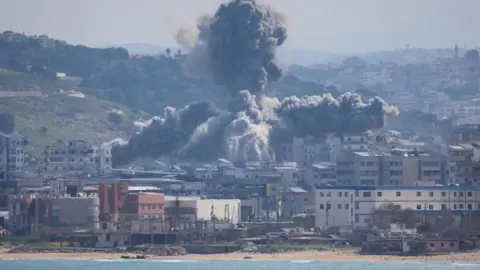
The Israeli military has carried out a wave of air strikes in southern Lebanon on Wednesday morning, marking a clear indication that, for Israel, the US-Iran ceasefire deal does not extend to Lebanon, where it is engaged in active combat against the Iranian-backed group Hezbollah. The airstrikes targeted regions such as Tyre and Nabatieh just hours after the ceasefire was officially announced. Israeli Prime Minister, Benjamin Netanyahu, firmly denied claims from Pakistan, the mediator of the ceasefire, that it includes the ongoing conflict in Lebanon.
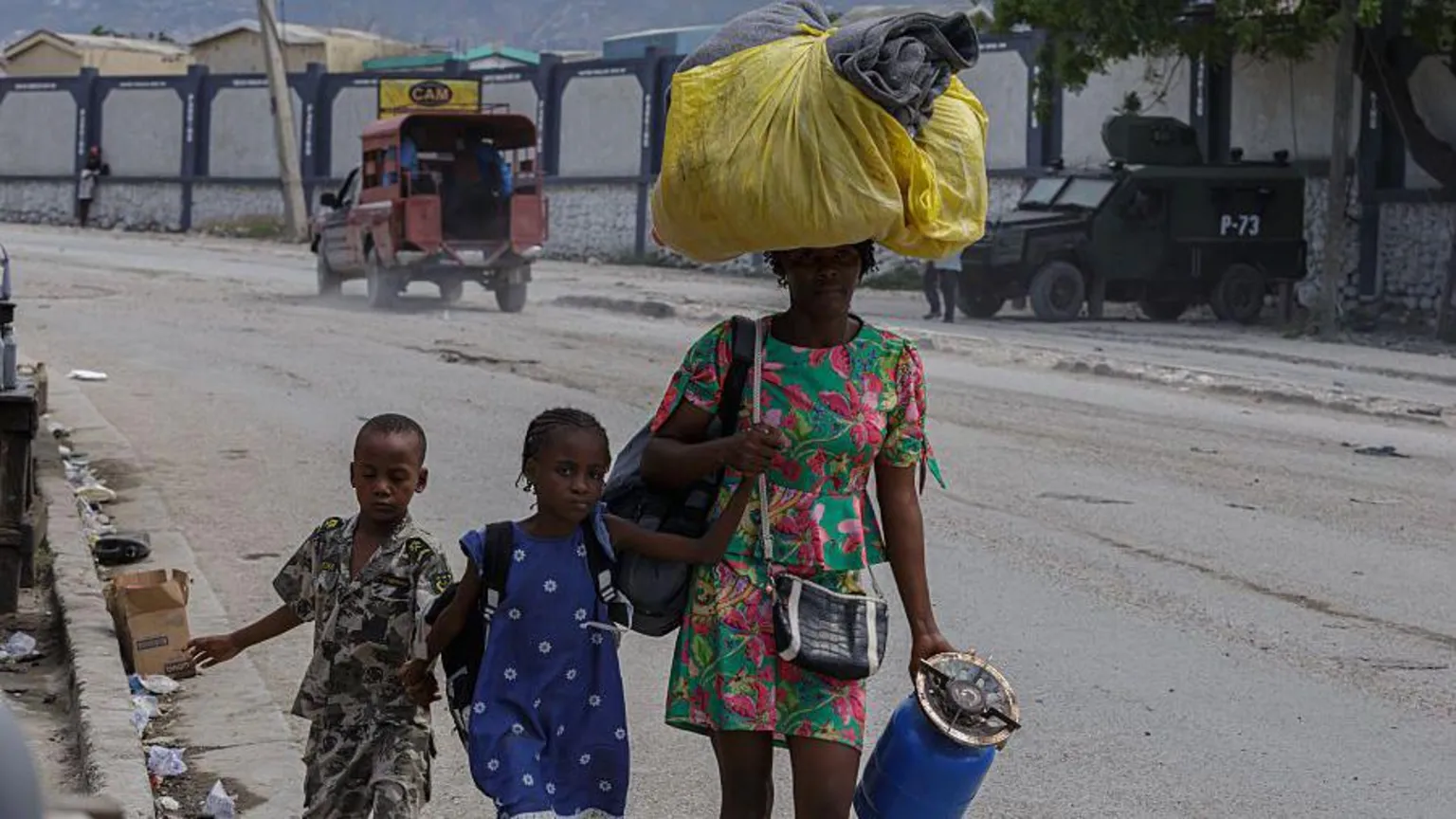
Tragically, the conflict has resulted in over 1,500 fatalities, including 130 children, and left more than 1.2 million people displaced, which is roughly one in five of Lebanon's population. Most of those affected hail from Shia Muslim-majority regions.
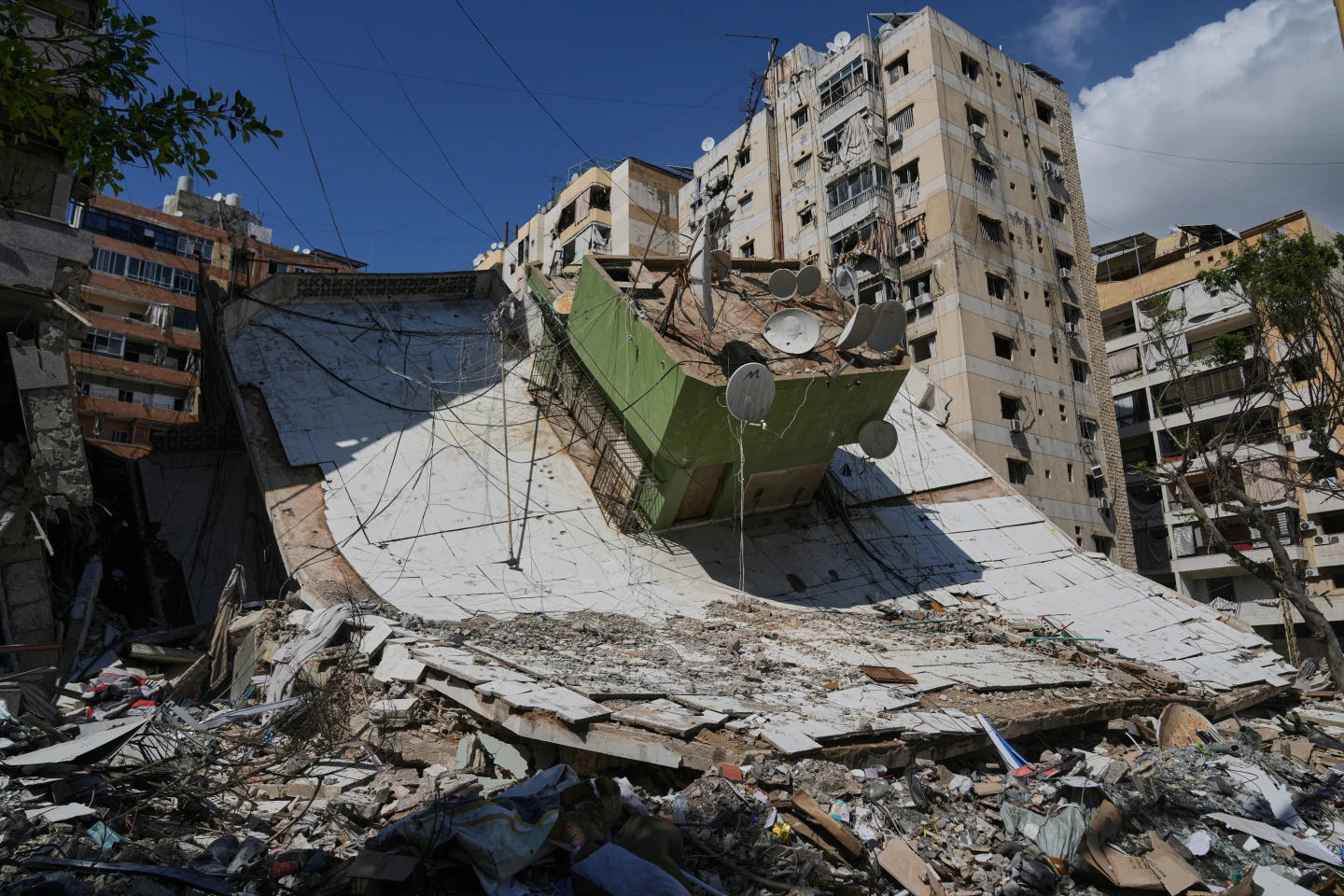
Israeli forces are continuing to advance, creating a buffer zone aimed at dismantling Hezbollah's influence, causing concerns that some areas may remain occupied indefinitely, preventing many residents from returning to their homes after the conflict ends.
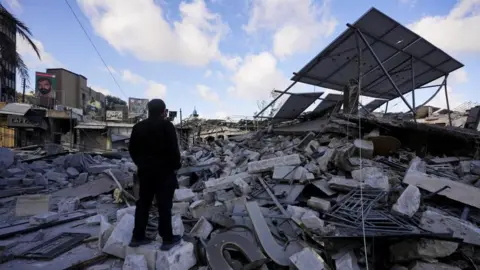
In the backdrop of this escalation, Lebanon remains in turmoil as villages near the border have been heavily damaged. The recent uptick in violence originated when Hezbollah retaliated with rocket fire after the assassination of Iran’s supreme leader, fueling the ongoing tensions.
Despite claims of weakened capabilities, Hezbollah has resumed launching rockets and drones, highlighting its ongoing military presence in the region. The latest round of violence has provoked a humanitarian crisis in Lebanon, with schools converted into shelters and families seeking refuge in makeshift tents as sectarian tensions rise amid the influx of displaced individuals.
The Lebanese government has previously committed to disarming Hezbollah, but the group has refused to engage in discussions regarding its arsenal. As the situation unfolds, the prospect of open diplomatic negotiations between Lebanon and Israel has emerged, yet past efforts have been ignored by Israeli officials.
Tragically, the conflict has resulted in over 1,500 fatalities, including 130 children, and left more than 1.2 million people displaced, which is roughly one in five of Lebanon's population. Most of those affected hail from Shia Muslim-majority regions.
Israeli forces are continuing to advance, creating a buffer zone aimed at dismantling Hezbollah's influence, causing concerns that some areas may remain occupied indefinitely, preventing many residents from returning to their homes after the conflict ends.
In the backdrop of this escalation, Lebanon remains in turmoil as villages near the border have been heavily damaged. The recent uptick in violence originated when Hezbollah retaliated with rocket fire after the assassination of Iran’s supreme leader, fueling the ongoing tensions.
Despite claims of weakened capabilities, Hezbollah has resumed launching rockets and drones, highlighting its ongoing military presence in the region. The latest round of violence has provoked a humanitarian crisis in Lebanon, with schools converted into shelters and families seeking refuge in makeshift tents as sectarian tensions rise amid the influx of displaced individuals.
The Lebanese government has previously committed to disarming Hezbollah, but the group has refused to engage in discussions regarding its arsenal. As the situation unfolds, the prospect of open diplomatic negotiations between Lebanon and Israel has emerged, yet past efforts have been ignored by Israeli officials.