In brief
The Minerva Gloria, a massive oil tanker, is now docking in the United States with 400,000 barrels of Venezuelan crude, following a thaw in US-Venezuelan relations. This comes after a period where Venezuela, which holds the world's largest oil reserves, faced drastic reductions in exports due to sanctions and a lack of investment. The reopening of oil imports from Venezuela is part of a larger strategy by US oil companies like Chevron, which believes that this could lead to reduced gas prices in the future, although current prices remain high due to other global factors, like the ongoing conflict in Iran.
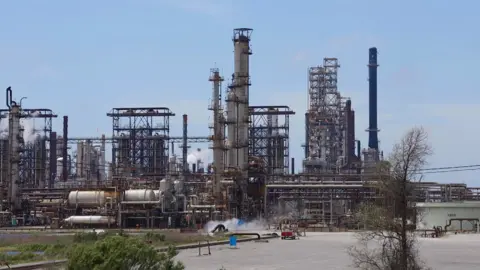
The Minerva Gloria is docked at a wharf in the Mississippi Sound, not far from the US's vast oil reserves in the Gulf of Mexico. The ship, 820ft long, is carrying precious cargo from Venezuela that, just six months ago, would have been impossible to bring to the US - 400,000 barrels of crude oil. Venezuela has the world's largest oil reserves. Under Venezuela's former president Nicholas Maduro, oil exports had dropped significantly, due to a lack of investment. Then came US sanctions against any imports from the Latin American country. But US President Donald Trump vowed to tap those reserves after the US military captured Maduro in a surprise nighttime raid in January.Now the oil is flowing again in Venezuela. In March, the country's monthly crude exports surpassed one million barrels per day for the first time since September. As the world reels from the impact on global energy prices caused by Iran blocking the Strait of Hormuz, big oil and gas companies like Chevron are now importing Venezuelan crude oil by the shipload.Chevron director Tim Potter notes, 'It's a big deal not only for Chevron but the entire Gulf region.' This means Chevron can extract its own Venezuelan oil, process it itself, and get it directly to the US consumers. Currently, Chevron imports an average of 250,000 barrels of Venezuelan crude oil per day and expects to increase that to around 350,000 to 400,000 in the coming months.Despite these developments, many American drivers are feeling the pinch at the gas pump. Prices have continued to rise, with some citizens frustrated that the vast oil reserves haven't equated to lower prices. 'I hate it,' says David McQueen, a retired veteran. 'The price has got to go down because I'm going down with it.' While Chevron is optimistic about the future, the current market conditions remain unpredictable.