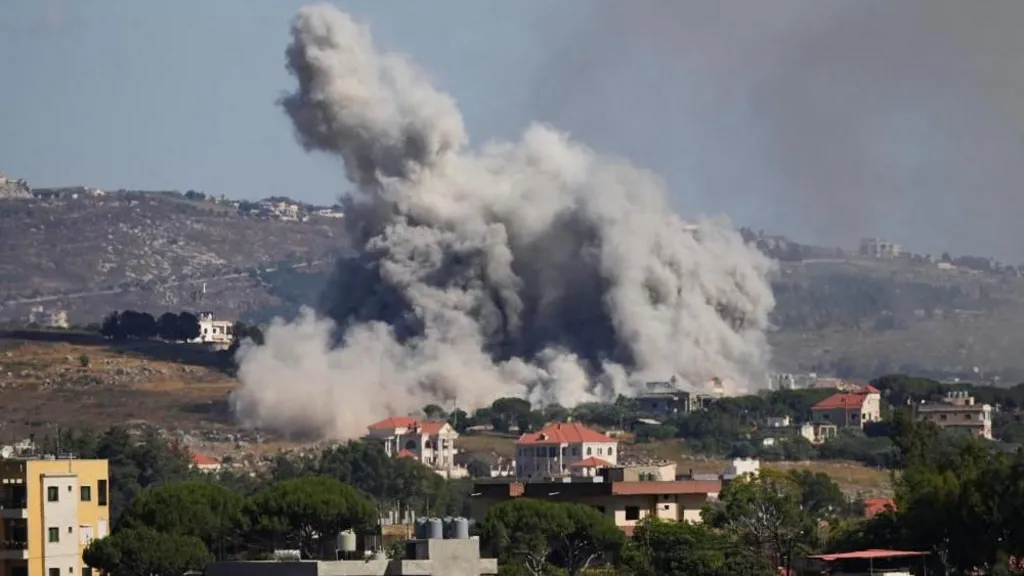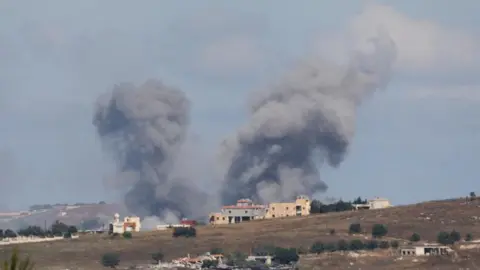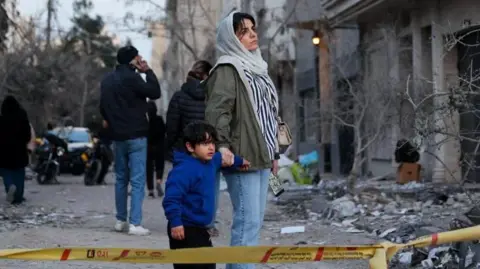
The war is inside his head now. A slamming door or cutlery being dropped makes him jump. The ceasefire doesn't change that. Before the war, I had no stress at all, says Ali. But now even the smallest sound causes my brain to react very badly. Although he is only 15, Ali – not his real name – understands how fear created by the sounds of US and Israeli airstrikes on Iran settle into the mind and won't let go. It triggers an automatic startle response to any loud noise.
Ali watches his parents' reactions to what is happening. He looks for the familiar safety of home life but cannot find it. His father is out of work because of the war; his mother constantly apprehensive. My mother stays at home, and whenever fighter jets fly overhead, she becomes frightened and stressed and shows clear signs of anxiety and fear. As for myself, I am very afraid, he says.
With schools closed, and the constant threat of attack by US and Israeli aircraft, Iranian families are cooped up, left with nothing to do except wait and hope the ceasefire holds. According to the US-based Human Rights Activists News Agency (HRANA), at least 254 children have died in the conflict, highlighting the ongoing tragedy facing young Iranians in these turbulent times.
Even in the midst of hope for peace, the damage done to the minds of children during such conflicts could affect them for years to come, affecting their futures and emotional well-being. In a world where children should be safe, many find themselves in an environment of endless fears.
Ali watches his parents' reactions to what is happening. He looks for the familiar safety of home life but cannot find it. His father is out of work because of the war; his mother constantly apprehensive. My mother stays at home, and whenever fighter jets fly overhead, she becomes frightened and stressed and shows clear signs of anxiety and fear. As for myself, I am very afraid, he says.
With schools closed, and the constant threat of attack by US and Israeli aircraft, Iranian families are cooped up, left with nothing to do except wait and hope the ceasefire holds. According to the US-based Human Rights Activists News Agency (HRANA), at least 254 children have died in the conflict, highlighting the ongoing tragedy facing young Iranians in these turbulent times.
Even in the midst of hope for peace, the damage done to the minds of children during such conflicts could affect them for years to come, affecting their futures and emotional well-being. In a world where children should be safe, many find themselves in an environment of endless fears.