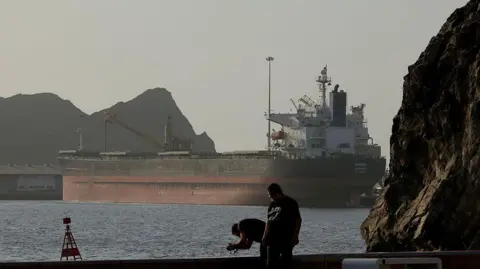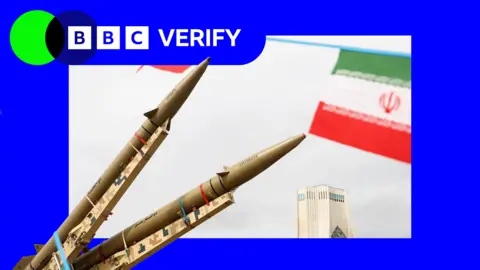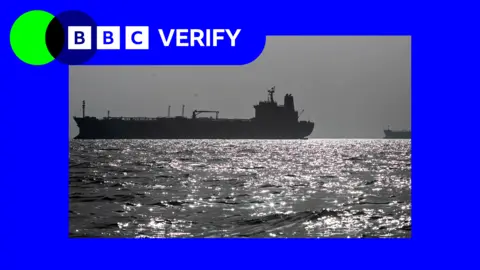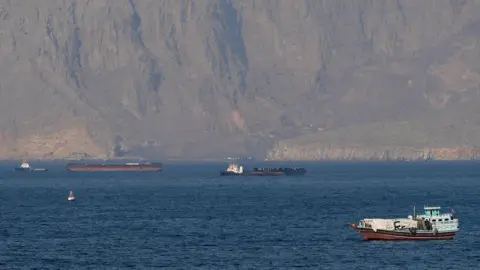
Iran has announced that the Strait of Hormuz is closed once again due to ongoing tensions with the United States. The Islamic Revolutionary Guard Corps (IRGC) stated that any ship that attempts to navigate through the strait will be targeted, marking a significant escalation in an already volatile region.
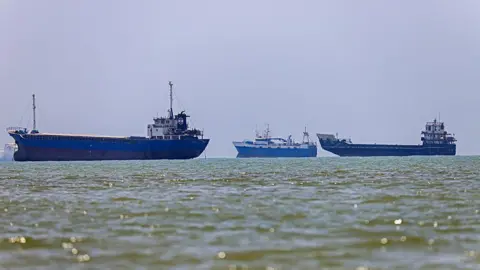
The decision to close the strait came after reports emerged of multiple vessels being attacked, including two Indian-flagged ships that were shot at by Iranian gunboats. While some ships were able to make passage when the strait briefly reopened, others were forced to change course as the IRGC reinstated control.
Iran's leaders cited the U.S. blockade of Iranian ports as a primary reason for their decision, claiming it prompts defensive measures to protect their maritime interests. The IRGC emphasized that any ship attempting to approach the strait would be viewed as collaborating with adversaries.
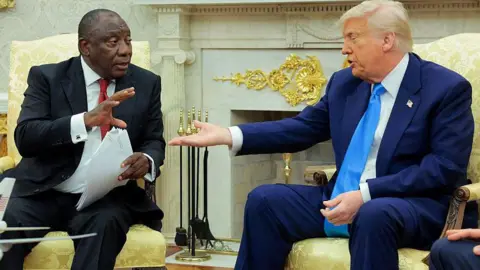
U.S. President Donald Trump has responded to these developments by asserting that the U.S. will not be “blackmailed” by Iranian threats regarding this critical shipping route, which is vital for the transportation of approximately 20% of the world's oil and liquefied natural gas.
The heightened tensions also come as peace negotiations continue sporadically, following a temporary ceasefire set to expire soon. With the price of oil on the rise amid these conflict escalations, the closure of this vital waterway could have serious implications for global markets.
The decision to close the strait came after reports emerged of multiple vessels being attacked, including two Indian-flagged ships that were shot at by Iranian gunboats. While some ships were able to make passage when the strait briefly reopened, others were forced to change course as the IRGC reinstated control.
Iran's leaders cited the U.S. blockade of Iranian ports as a primary reason for their decision, claiming it prompts defensive measures to protect their maritime interests. The IRGC emphasized that any ship attempting to approach the strait would be viewed as collaborating with adversaries.
U.S. President Donald Trump has responded to these developments by asserting that the U.S. will not be “blackmailed” by Iranian threats regarding this critical shipping route, which is vital for the transportation of approximately 20% of the world's oil and liquefied natural gas.
The heightened tensions also come as peace negotiations continue sporadically, following a temporary ceasefire set to expire soon. With the price of oil on the rise amid these conflict escalations, the closure of this vital waterway could have serious implications for global markets.