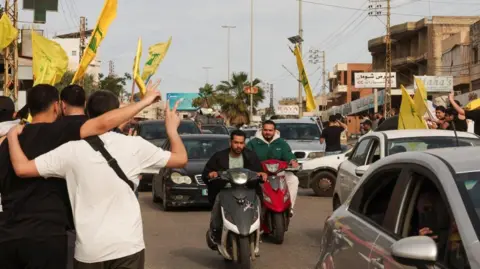
At the stroke of midnight, gunfire and fireworks celebrated the start of the ceasefire in Beirut. Crowds gathered with smiles, cheering and waving Hezbollah flags as they started their journey back to the south, the heartland of the militia, after weeks of conflict.
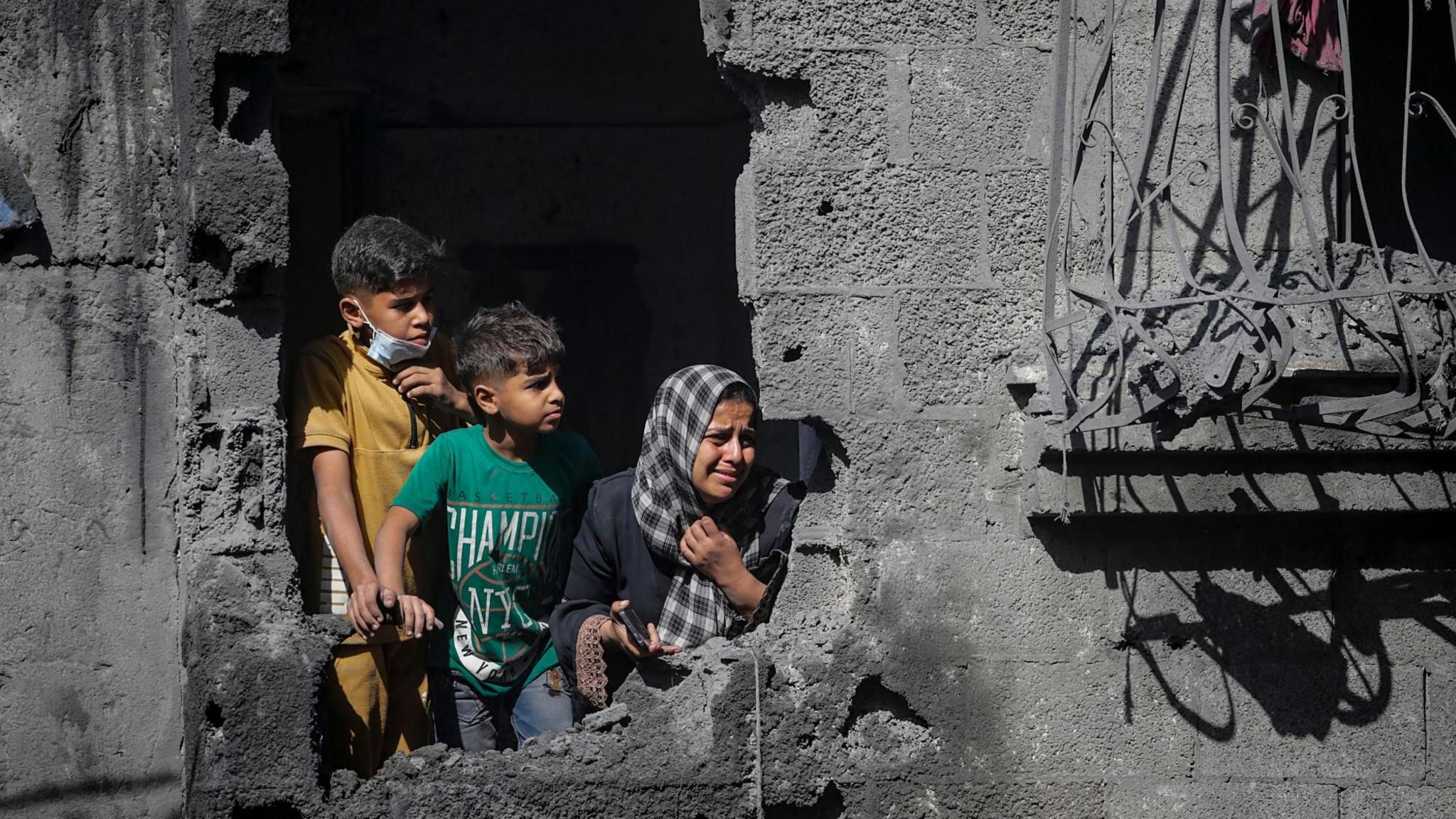
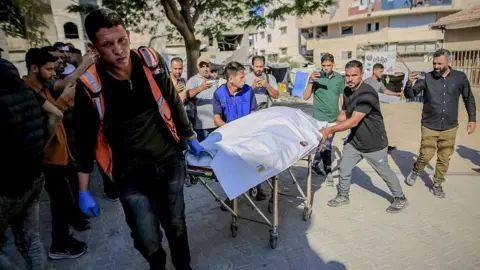
This ceasefire, initially set for ten days, follows a six-week war between Israel and Hezbollah, bringing much-needed respite to a war-torn country. Yet, it is overshadowed by ongoing humanitarian crises, with over 2,100 reported deaths and over a million displaced.
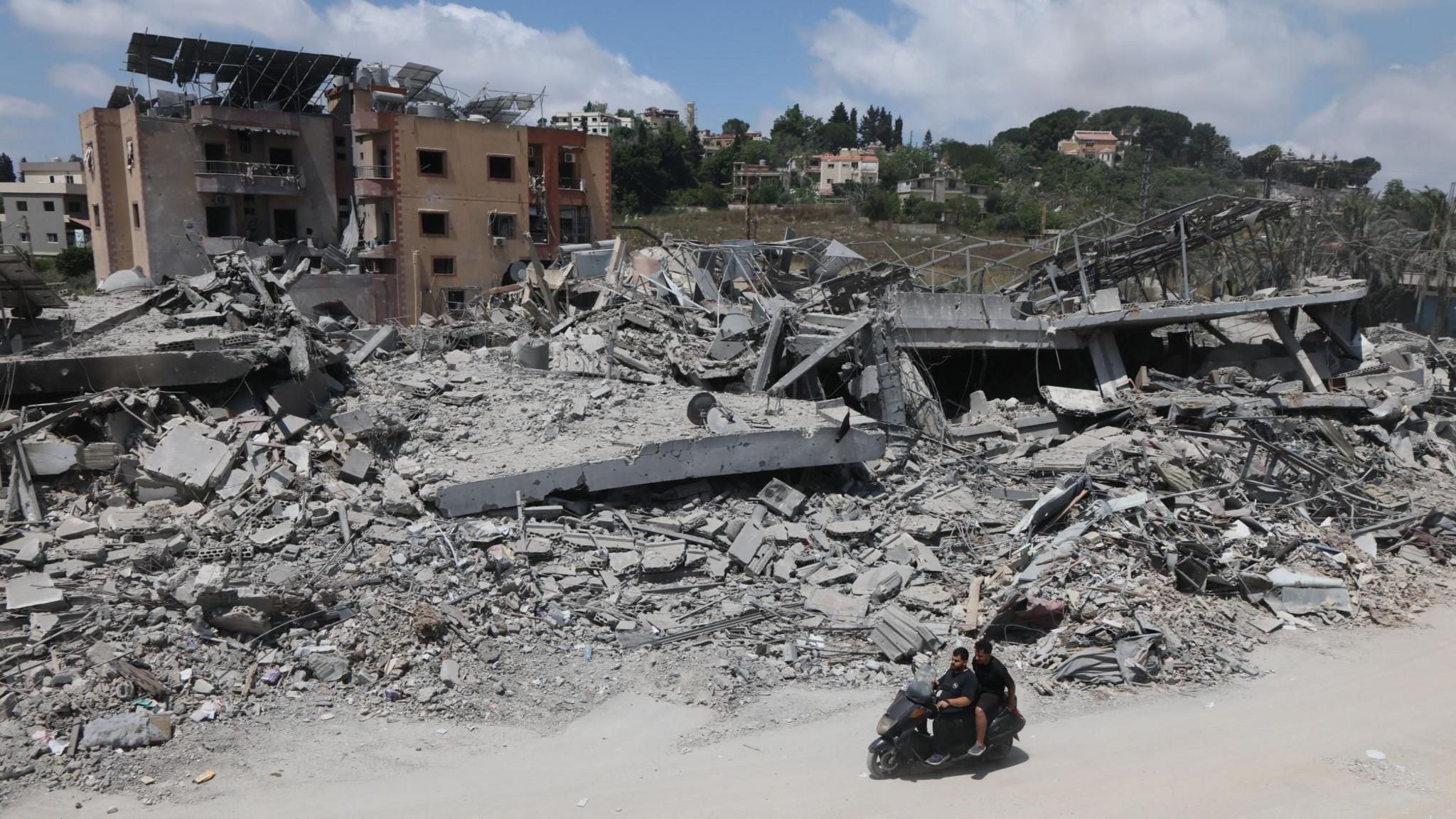
While many families attempted to return home, vast areas remain devastated. In Hezbollah-controlled regions of Beirut, the quiet streets tell a story of destruction, with many fearing the repercussions of returning.
The ceasefire, announced by President Trump, does not guarantee the withdrawal of Israeli troops from southern Lebanon, prompting fears of continued occupation. Furthermore, the issue of Hezbollah's arms, which remains a point of contention, raises questions about stability going forward. Supporters claim Hezbollah offers necessary protection, while calls for disarmament loom over potential violence.
Hezbollah leaders assert they will not disarm, further complicating prospects for peace amidst an already tumultuous political landscape. As Lebanon navigates these complex waters, the future remains uncertain with diplomatic relations between Lebanon and Israel still nonexistent.