Telegram Battles India’s Temporary Ban Ahead of Big Exam
Telegram has filed a court challenge against the Indian government’s order to block access to the platform. The order came only a day after the ministry said it feared the app would be used to spread leaked NEET (National Eligibility‑cum‑Entrance Test) papers, the biggest medical entrance test in India.
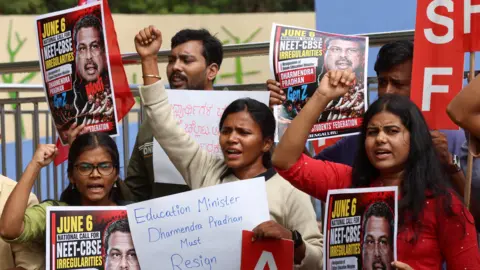
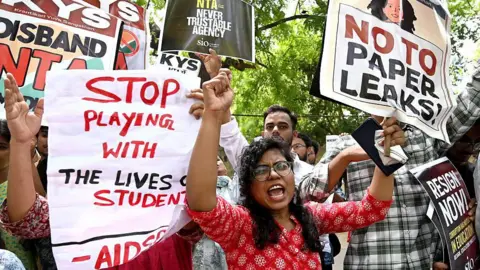
India’s Election Commission said the block would protect exam integrity. The reverse‑situation triggered a flurry of protests, with students and activists arguing the ban is a swing‑blow that would hit “millions of young people” who use Telegram for free study materials.
Telegram CEO Pavel Durov has called the ban a “mistake.” He says blocking the app does nothing to stop leak‑mongers, who are likely to move to other platforms. He added that Telegram has removed many channels “sharing leaked exam materials” and flags edited posts to reduce back‑dating scams.
The case was presented to the Delhi High Court, and a judge will decide on the ban later in the day. The government’s move, the first of its kind in India, has raised questions about the effectiveness of platform bans versus targeting the actual culprits of exam fraud.
Opposition leaders say the government should focus on the root cause – the NGOs and networks that sell leaked test papers – rather than penalise everyday users who rely on Telegram for legitimate study content. Tech analysts point out that similar messaging services like WhatsApp and Discord can be used for the same illicit exchanges, making a blanket block easier to refuse.
As the exam date recedes, Delhi’s National Testing Agency defended the ban, claiming it was imposed only after a coordinated “cheating rackets” use of the platform. The ban is pending, but June 2026’s NEET is set to resume on Sunday.
Sources: Reuters, LiveLaw, BBC News India