Trump Touts Iran Deal, Tehran Stays Silent
In a recent Oval Office statement, President Donald Trump said the United States is close to a “great settlement” with Iran that would end the decades‑long conflict. He hinted that the deal would be signed shortly, "pretty quickly," and even promised that the Strait of Hormuz would open once the documents were finalized.
Iran’s foreign ministry dismissed the claim, arguing the reports were speculative and no agreement has been made. The spokesperson warned that the U.S. is still making excessive demands and adding new requests to the talks.
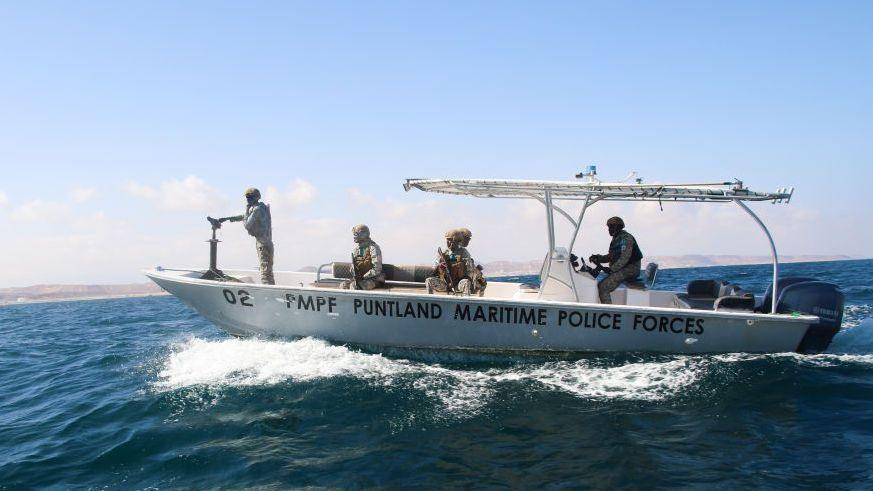
The war’s background is rooted in February’s U.S. and Israel strikes on Iranian targets, after which Iran retaliated by attacking Israeli and U.S.‑allied vessels and closing off the vital Strait of Hormuz. The standoff has seen ongoing “tit‑for‑tat” assaults on military bases, radar sites, and oil infrastructure like Kharg Island – Iran’s main export hub for 90% of its oil.
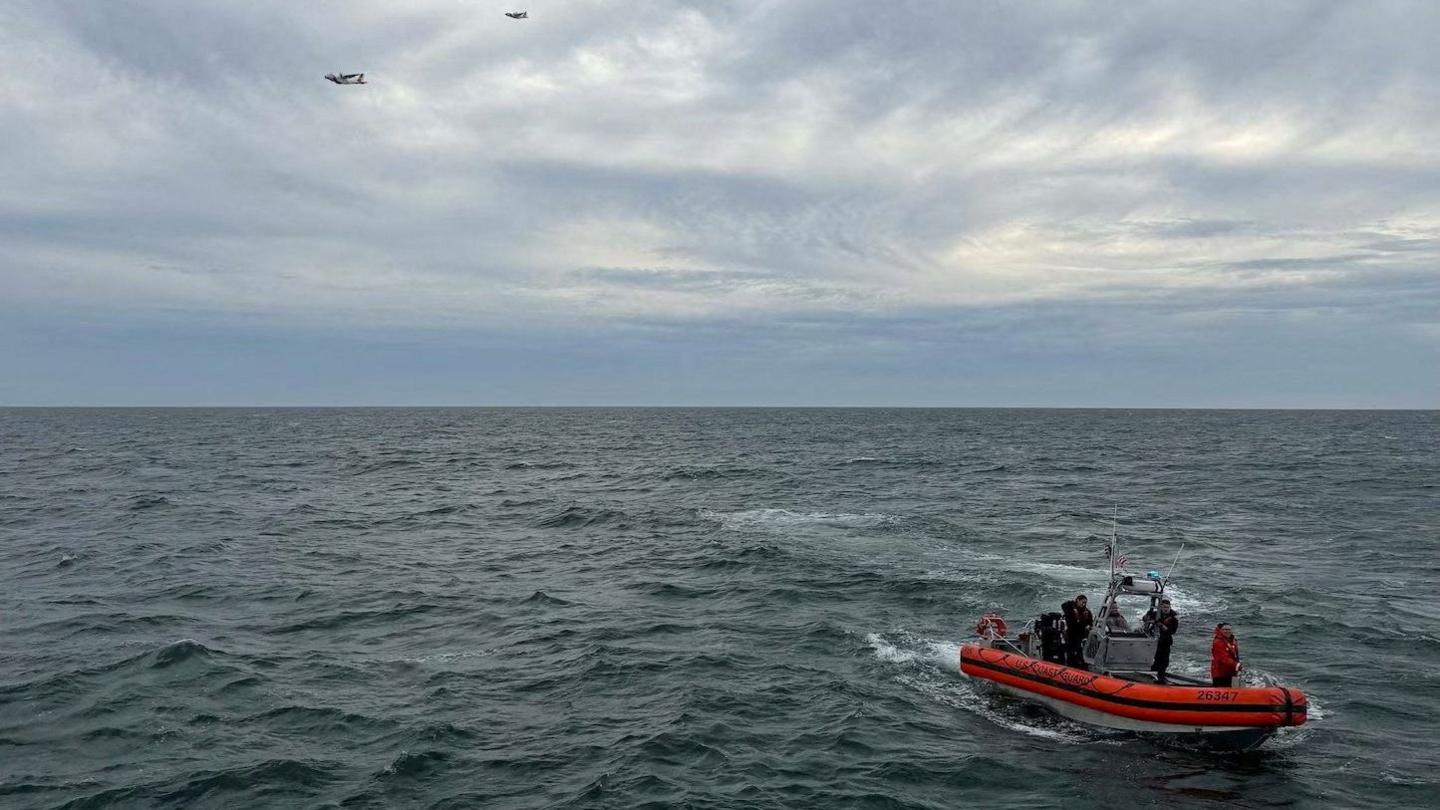
In recent weeks, U.S. forces have targeted nine vessels; the U.N. and multiple regional powers have called for de‑escalation. The conflict’s intensity has spilled into neighboring countries, with Iraq, Jordan, Kuwait and India reporting attacks on their own bases and ships.
Below is a handy timeline of Trump’s key statements about the deal:
- 20 Apr: Trump says the deal will be made quickly.
- 6 May: Predicts the war will end fast and a 14‑point memorandum is close.
- 23 May: Calls the peace deal largely negotiated.
- 27 May: Says he’s not satisfied with the current terms.
- 28 May: Vice President Vance says the deal is very close but not final.
- 29 May: Holds a meeting for a final determination; no deal announced.
- 11 Jun: Trump claims the U.S. has a great settlement and will sign in the next few days.
Despite Trump’s hawkish rhetoric—threatening to seize oil infrastructure and claim control of global markets—no concrete agreement has emerged. Iran’s officials remain vigilant, warning of retaliation if further strikes occur, and stand firm on preserving their strategic red lines.
As the world watches, the stakes remain high: the outcome could reshape Middle Eastern politics, influence global oil supplies, and alter the balance of power between the U.S. and Iran.