Nigeria sends back citizens amid South Africa mobs
In the past 24 hours, the Nigerian government flew back 268 nationals on a chartered flight from Johannesburg, returning them to Lagos after a surge in anti‑migration protests in South Africa.
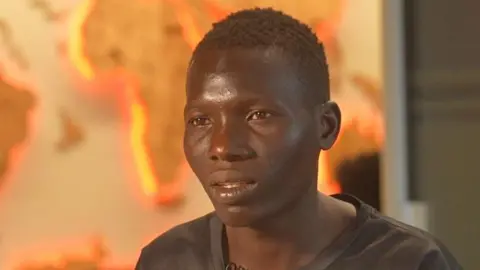
The consulate in South Africa reports that almost 1,000 Nigerians registered to be repatriated, citing rising xenophobic attacks and an unemployment rate that has climbed above 30 %. On a cracked corner of O.R. Tambo International airport, Justin, a long‑time stay‑away in South Africa, told reporters he was forced to leave to stay safe, describing attacks, name‑calling, and a general atmosphere of fear.
Other victims shared similar stories. The hairdresser Chinwe Osuala said she had been physically assaulted at her shop and that the violence made her and her children fearful. While she expressed sadness at leaving friends, she firmly claimed that a few xenophobic incidents should not paint all South Africans as hostile.
Nigeria’s Diaspora Commission said the returnees would be dispersed to different states and provide a modest financial package to aid resettlement. Numbers of deaths caused by migrant‑spurred violence remain unreported, though the police say two Mozambican men were killed in Cape West while authorities deny that xenophobia motivated the acts.
South Africa’s new measures include targeting employers hiring undocumented workers, creating courts for expedited deportations and a biometric database to counter identity fraud. The administrators warned citizens not to take the law into their own hands during street skirmishes.
 A Nigerian passenger boarded a flight at Johannesburg’s main airport as his return journey began.
With the global spotlight on migration already, the move by Nigeria highlights how xenophobia and political tensions can leave African migrants on the front line, prompting governments to act in safety and public sentiment governance. At the same time, South Africa’s land‑locked 2026 election might turn migration into an even hotter campaign issue, shaping a new approach to foreigner‑integration policies and civic responsibility.