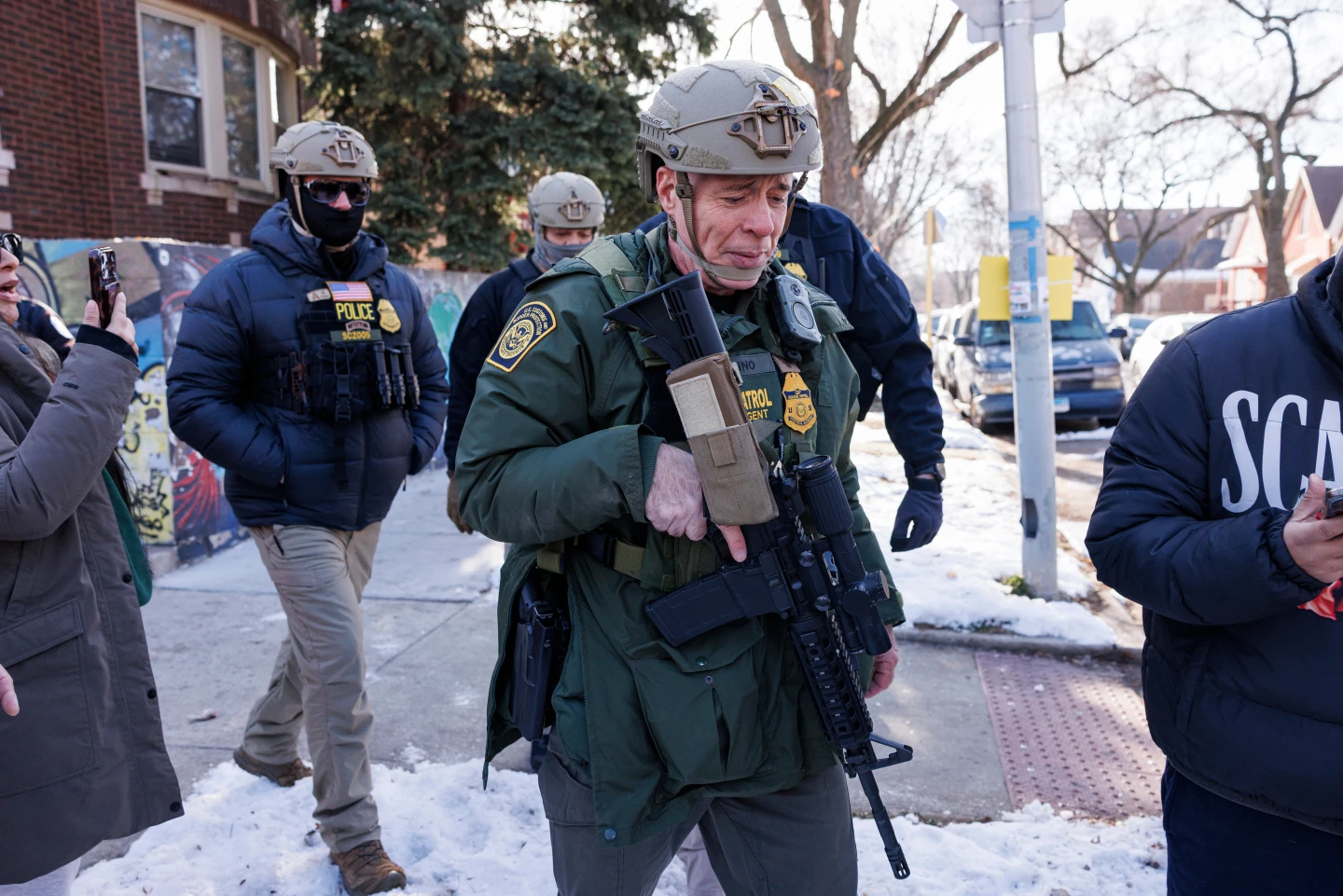
As the Justice Department (DOJ) ramps up its attempts to prosecute protesters for assaults on federal officers during demonstrations against immigration policies, many cases are increasingly falling apart in court.
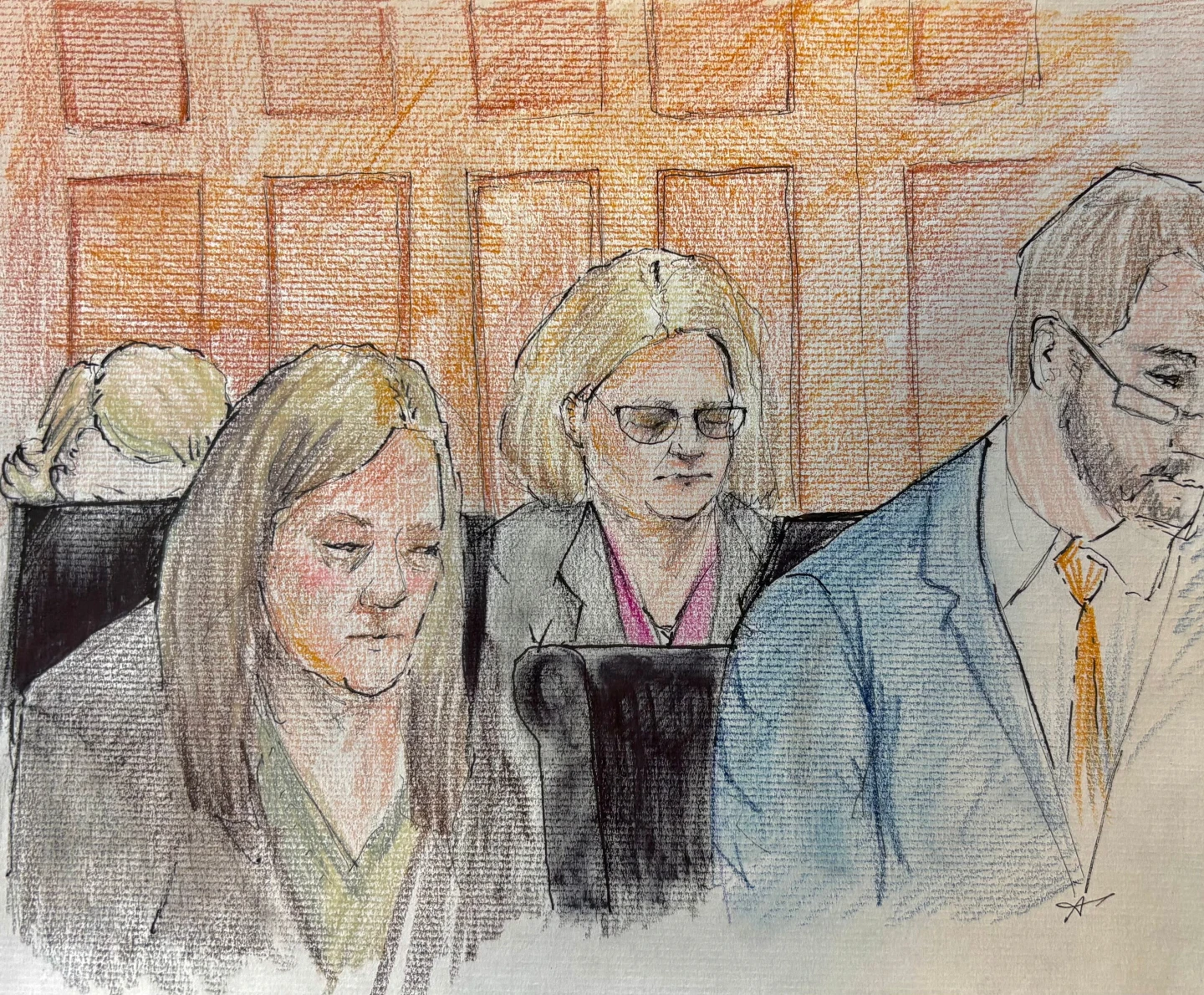
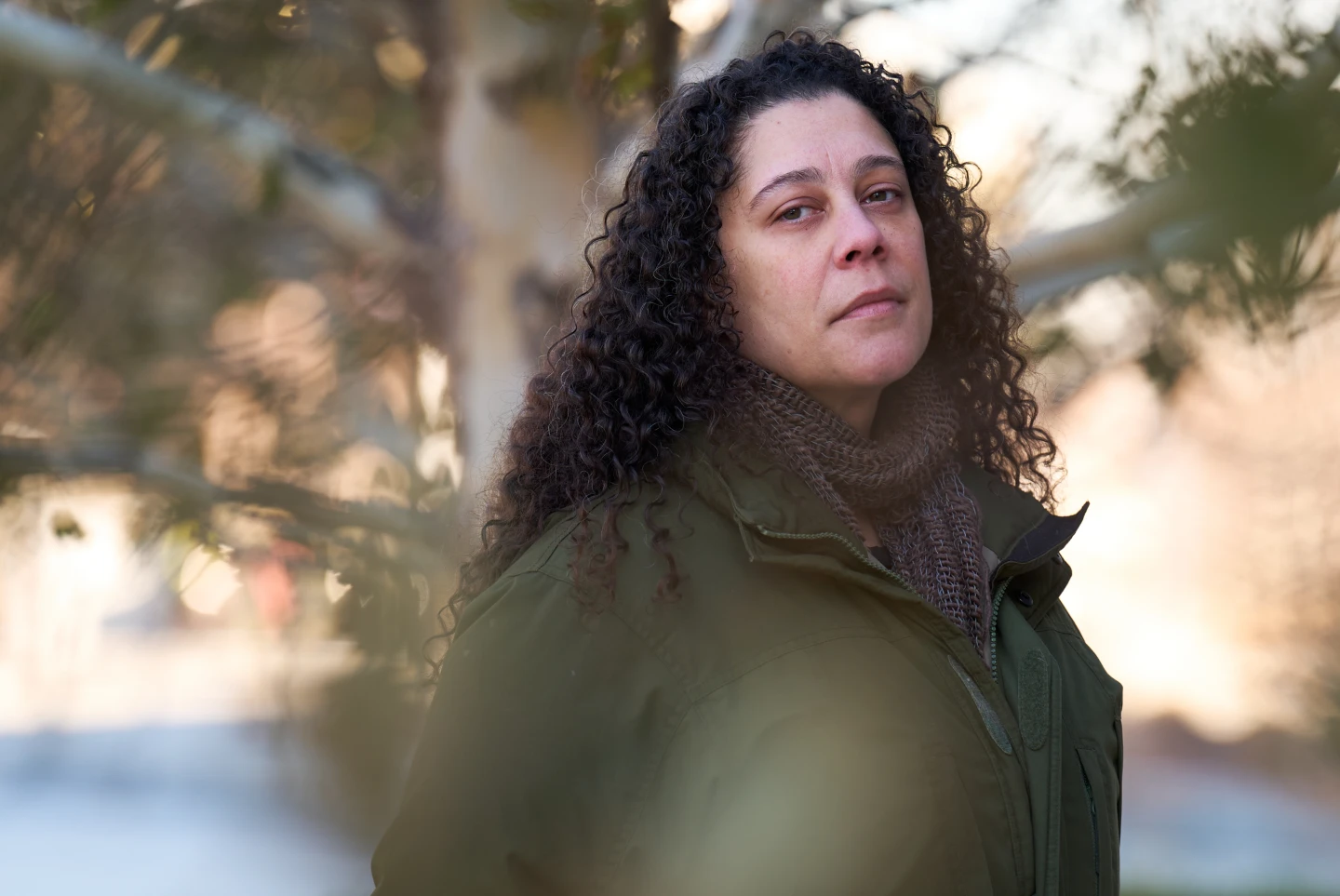
Take the case of Sidney Lori Reid, who faced felony assault charges for allegedly injuring a federal agent amid protests. Footage from the incident showed the agent inadvertently injuring herself while engaging with Reid, leading to her acquittal.
Since the onset of aggressive legal actions, jurors have continuously sided with defendants, signaling a troubling trend for the DOJ. In total, more than 40% of cases have resulted in lesser charges or dismissals, raising eyebrows about the validity of the initial claims made against protesters.
Legal experts question the DOJ’s strategy, arguing that the aggressive push to prosecute is marked more by attempts to deter protest rather than substance. It appears there’s a disconnect between the courtroom and the political rhetoric, which may jeopardize people's First Amendment rights, said noted legal scholars.
Other cases reflect similar outcomes—defendants faced with severe accusations of felonies have seen charges downgraded amidst overwhelming evidence of prosecution failure. With each acquittal, the spotlight only brightens on the DOJ's commitment and capability to meet the legal standards necessary for these serious charges.
Take the case of Sidney Lori Reid, who faced felony assault charges for allegedly injuring a federal agent amid protests. Footage from the incident showed the agent inadvertently injuring herself while engaging with Reid, leading to her acquittal.
Since the onset of aggressive legal actions, jurors have continuously sided with defendants, signaling a troubling trend for the DOJ. In total, more than 40% of cases have resulted in lesser charges or dismissals, raising eyebrows about the validity of the initial claims made against protesters.
Legal experts question the DOJ’s strategy, arguing that the aggressive push to prosecute is marked more by attempts to deter protest rather than substance. It appears there’s a disconnect between the courtroom and the political rhetoric, which may jeopardize people's First Amendment rights, said noted legal scholars.
Other cases reflect similar outcomes—defendants faced with severe accusations of felonies have seen charges downgraded amidst overwhelming evidence of prosecution failure. With each acquittal, the spotlight only brightens on the DOJ's commitment and capability to meet the legal standards necessary for these serious charges.