In brief
Odesa, Ukraine’s third‑biggest city, is debating a controversial plan to freeze Russian‑language content in public arts, leaving home‑use untouched. Local councils argue the idea protects national identity during the war but critics say it marginalises the city’s majority Russian speakers. The debate has drawn activists, artists and language experts to the streets, sparking a heated national conversation about culture and freedom. Whether the ban passes remains unclear, but it reflects a broader Ukraine tension over language dominance.
In Odesa, a mosaic of languages has known the city for decades. While Ukrainian is the official tongue, most locals still speak Russian in everyday life, making any move to limit the language feel polarising.
Last week, Odesa’s council tabled a proposal that would ban Russian‑language music, literature, street signs and public posters in city spaces. It would still permit speakers to converse in Russian at home, but would literally remove the language from the public eye.
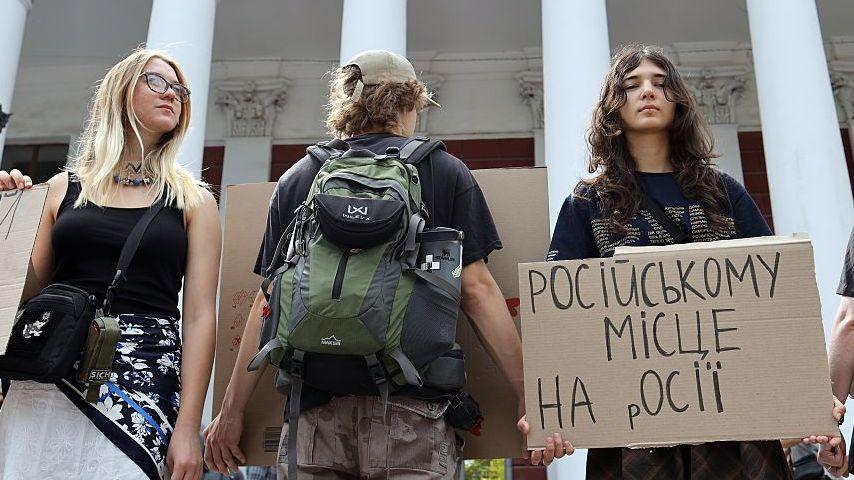
An activist holding a sign says the rule would help protect Ukrainian identity, while a local actor argues it undermines cultural heritage and gives only the pro‑Putin narrative a chance to thrive. “People should decide their own stories,” he points out, and he’s not alone.
The debate reflects a wider national question: how do you balance a nation’s past with its future, especially when conflict looms? Answers will likely shape how Ukrainian culture moves forward, long after the war ends.