In brief
Brent crude leapt over 6 % to $100 a barrel after U.S. military strikes on Iran and Houthi attacks on Red Sea oil tankers, reigniting fears over energy supply. The surge pushes petrol and diesel prices higher in the UK and U.S., feeding into broader consumer inflation. Central banks may keep interest rates elevated to counter the new cost‑push pressure. Young drivers feel the pinch when gas stations charge more, while grocery receipts rise as transport costs climb. Will the inflation spell be temporary or a long‑term shift? Stay tuned for more updates.
Oil price spike explained
Brent crude jumped over 6 % to reach $100 a barrel on Thursday – the first time it’s crossed that mark since May. The rally follows U.S. strikes on Iranian targets and Houthi militia attacks on oil tankers in the Red Sea, threatening a vital shipping channel that Saudi Arabia uses to avoid the Strait of Hormuz.
Impact on your wallet
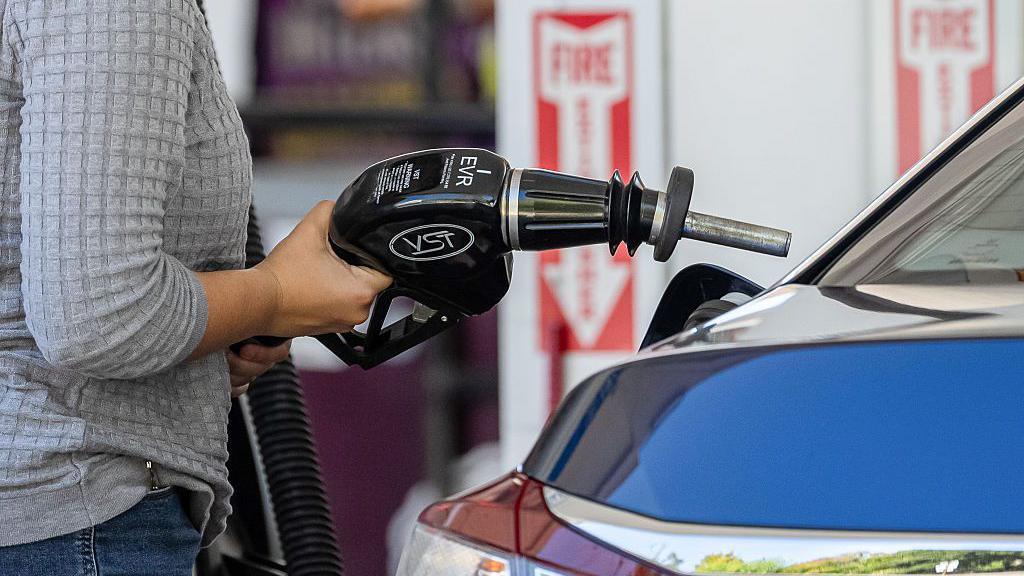
The price surge has nudged UK petrol up to £1.56 a litre and diesel to £1.72, while U.S. gasoline has edged past $4 a gallon. Higher fuel costs mean the price of everyday goods – from groceries to household supplies – climbs as businesses pass on transport expenses to customers.
Central bank tight talk
With inflation nudging higher, the Bank of England and the U.S. Federal Reserve are tightening the dial. The Bank of England keeps rates at 3.75 % while the Fed holds policy at 3.5 %–3.75 %. Economists warn that if energy prices stay elevated, interest rates could stay high longer, biting hits on mortgages and borrowing costs.
Want to dive deeper? Read the full analysis or check out the latest OPEC reports.