Philippine President Ferdinand Marcos says he is working to secure new sources of oil after he placed the country under a state of national energy emergency in response to the war in Iran. Marcos told Filipinos in a televised address that the government would procure one million barrels of oil to add to the current stock, which is good for 45 days.
We will have a flow of oil. Not just one delivery, not two deliveries, but a flow of oil-related products, he said.
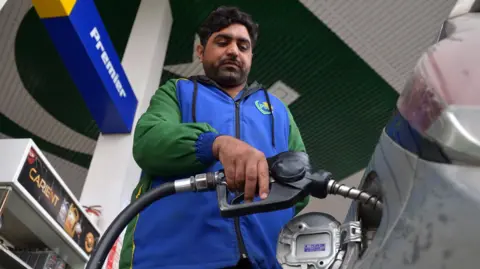
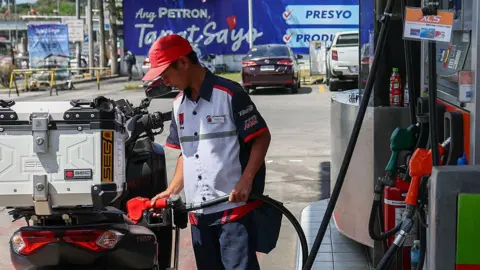
The Philippines, which imports 98% of its oil from the gulf, became the first country to declare an energy emergency after local diesel and petrol prices more than doubled in the country since the war broke out on February 28.
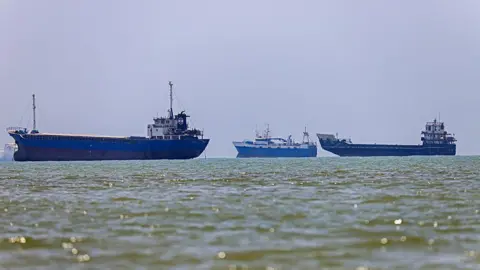
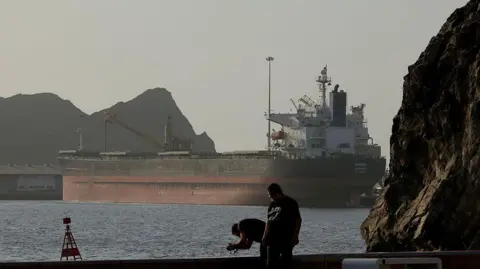
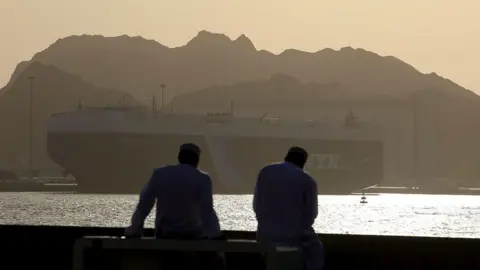
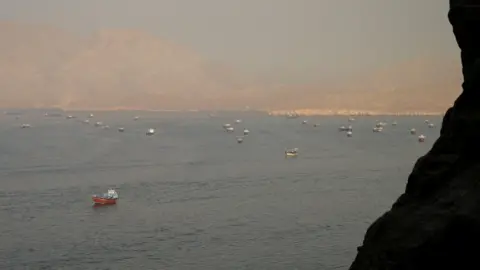
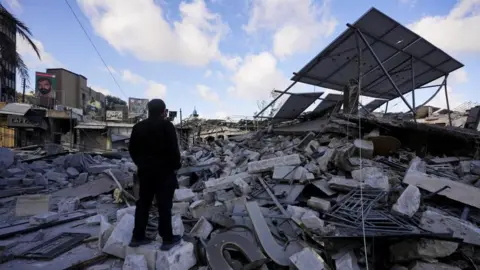
The US-Israel war with Iran and the effective closure of the Strait of Hormuz - a key shipping route - have caused shortages and price rises in global energy markets.
Marcos stated that the emergency declaration grants the government the legal authority to impose measures to ensure energy stability. Nothing is off the table. We are looking at everything we can do, whatever suggestion, whatever idea, he emphasized.
In partnership with the US, Manila is working to secure exemptions allowing oil imports from US-sanctioned countries, as the Philippines is one of its closest allies in the Pacific. Under Marcos' order, a committee has been formed to manage the distribution of fuel, food, and other essentials.
The government can also purchase fuel directly to safeguard supplies, with the declaration lasting one year unless lifted or extended. The decision follows increasing pressure from senators who pushed for recognition of the severe hardships faced by families due to soaring oil prices.
The situation has sparked criticism from labor groups such as Kilusang Mayo Uno, accusing the government of failing to address the crisis adequately while raising concerns about potential restrictions on worker protests amid rising costs. However, some business leaders support the emergency powers, highlighting the need for options to navigate the tough economic landscape.
We will have a flow of oil. Not just one delivery, not two deliveries, but a flow of oil-related products, he said.
The Philippines, which imports 98% of its oil from the gulf, became the first country to declare an energy emergency after local diesel and petrol prices more than doubled in the country since the war broke out on February 28.
The US-Israel war with Iran and the effective closure of the Strait of Hormuz - a key shipping route - have caused shortages and price rises in global energy markets.
Marcos stated that the emergency declaration grants the government the legal authority to impose measures to ensure energy stability. Nothing is off the table. We are looking at everything we can do, whatever suggestion, whatever idea, he emphasized.
In partnership with the US, Manila is working to secure exemptions allowing oil imports from US-sanctioned countries, as the Philippines is one of its closest allies in the Pacific. Under Marcos' order, a committee has been formed to manage the distribution of fuel, food, and other essentials.
The government can also purchase fuel directly to safeguard supplies, with the declaration lasting one year unless lifted or extended. The decision follows increasing pressure from senators who pushed for recognition of the severe hardships faced by families due to soaring oil prices.
The situation has sparked criticism from labor groups such as Kilusang Mayo Uno, accusing the government of failing to address the crisis adequately while raising concerns about potential restrictions on worker protests amid rising costs. However, some business leaders support the emergency powers, highlighting the need for options to navigate the tough economic landscape.