In brief
A police officer in South Korea, known by his surname Bu, admitted to closing missing person cases without proper checks in order to avoid extra work. The officer’s lies came to light when authorities reopened searches on Jeju Island and uncovered bodies that had been dismissed earlier. President Lee Jae‑Myung has vowed to reform the police as the scandal deepens. The incident highlights growing doubts about police integrity and the shift of investigative power from prosecutors to the police.
Police Officer Unmasked: The Jeju Missing Person Scandal
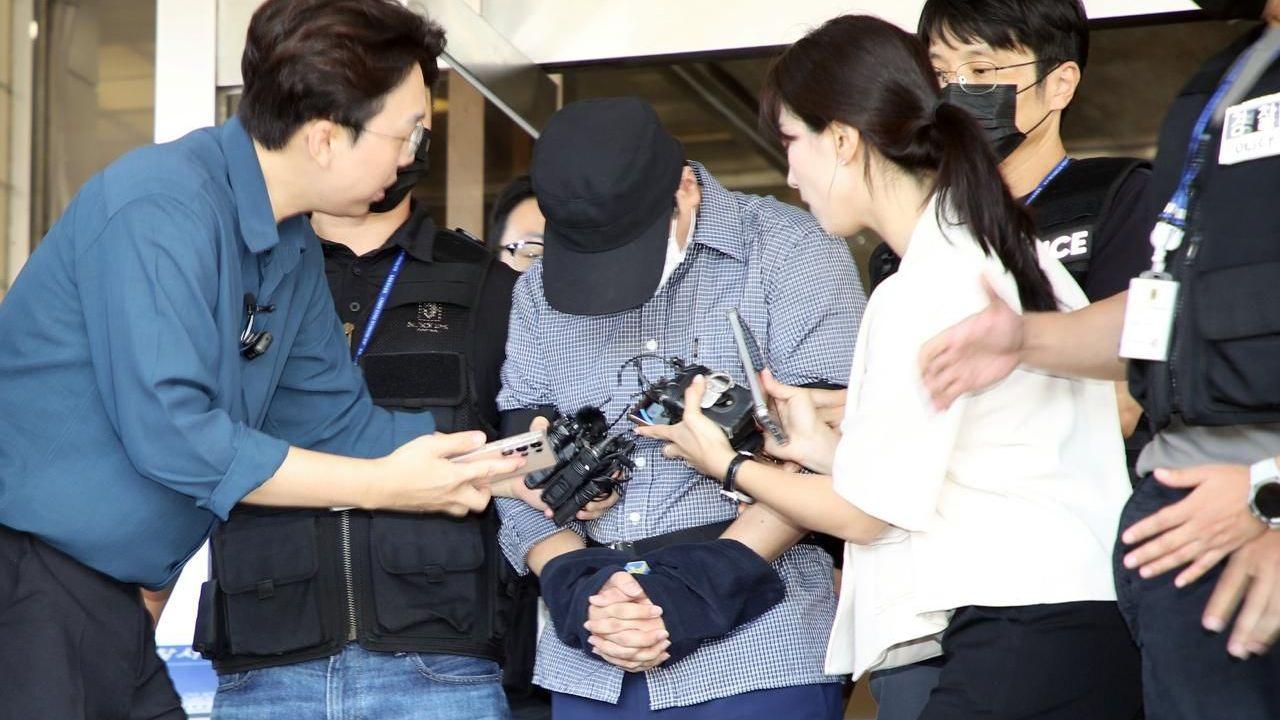
Imagine a police officer closing missing person cases to dodge extra work… the reality on Jeju Island is shocking. The officer, surnamed Bu, faked contact with those missing, entered false details in the system, and finally shut the file.
Families waited as police pursued false leads, while the officer logged that each missing person was dead or safe when in fact that was untrue. Investigators later uncovered bodies that had been dismissed, and four new remains have been found on the island.
Key facts:
- Officer Bu closed at least two high‑profile missing person cases on Jeju without confirmation.
- He logged false conversations and claim that victims did not want to be contacted.
- The police now searched and discovered four bodies that had been incorrectly marked as found.
- Bu faces charges of forgery, obstruction and dereliction of duty.
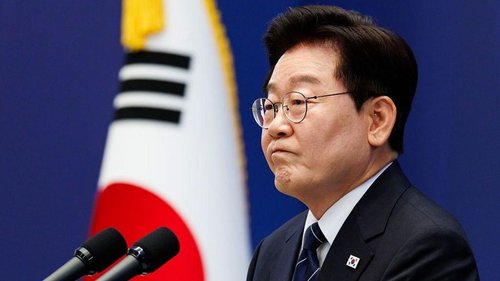
President Lee Jae‑Myung has vowed to reform the police, calling the officers involved “loach‑like figures” that tarnish the reputation of diligent officers. His pledge comes amid a new law that gives police full investigative powers, a shift that many in the public feel has opened the door to corruption.
The scandal invites a deeper look at why the police are still controversial and how the new reforms will impact trust in law enforcement. Stay tuned for more updates as the investigation continues.