In brief
A huge flash flood rattled a Himalayan valley, killing over 1,200 people and leaving more than 5,000 missing. Nepal’s presidents and communities marked a national day of mourning with candles and half‑masted flags while search operations continued in tunnels and remote villages. Rescue crews, led by the army and aided by international experts, press on at the same frantic pace as the first day, hoping to save those still trapped in collapsed homes or hydropower tunnels. The disaster highlights the region’s vulnerability to glacial melt and extreme weather, and it underscores the critical role of coordinated, cross‑border rescue efforts.
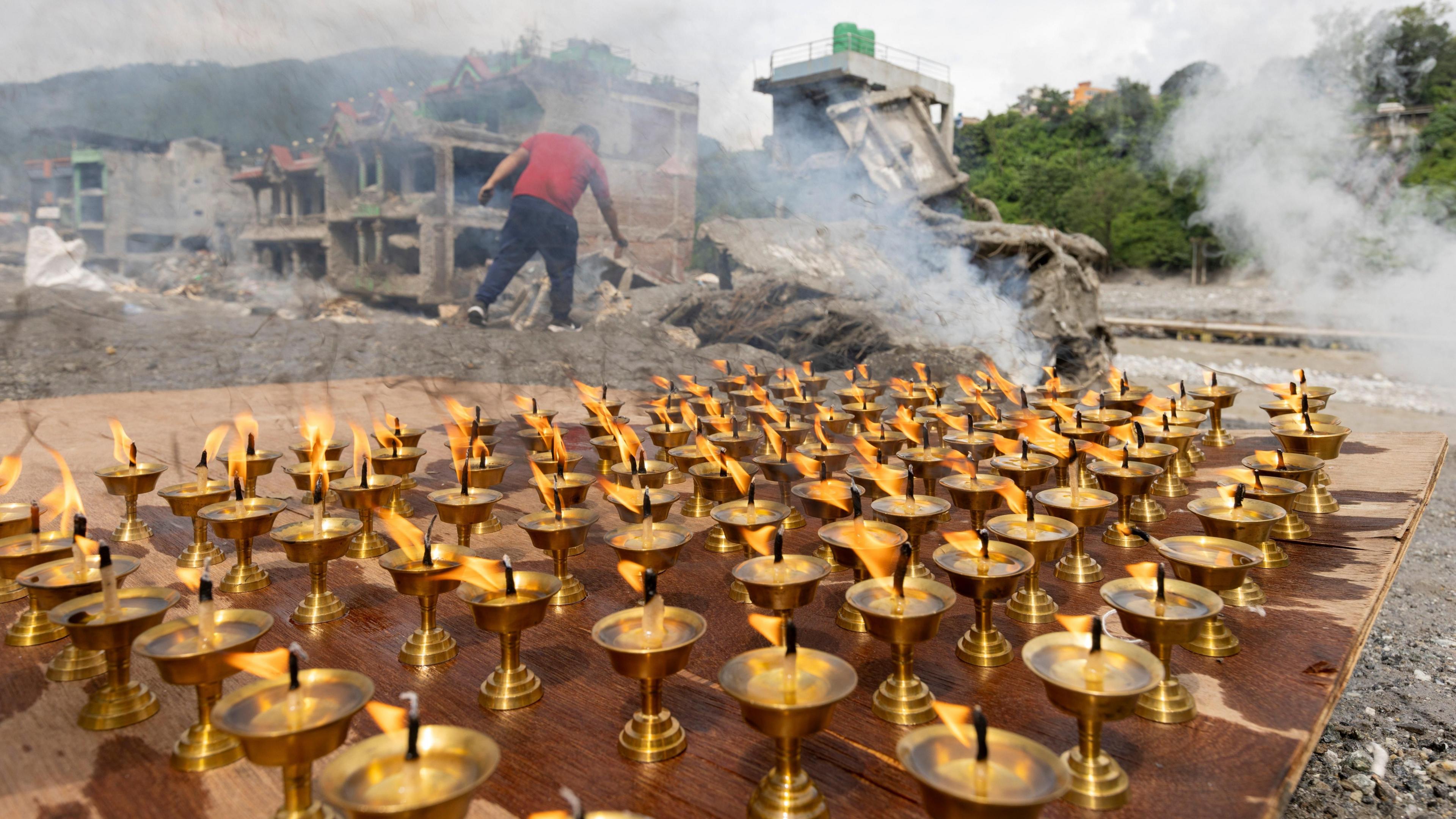
A national day of mourning lights up Nepal
The day started with candles flickering against the backdrop of a war‑torn valley. Flags were lowered, and families turned their homes into quiet memorials.
In the heart of the event, people gathered around coals, holding hands that have stared at the dark sky. No one called for big‑scale celebration; the focus remained on search and rescue.
The flood that broke on 7 September 2026 came after a sudden glacial collapse. It swamped villages in a valley that sits on the border of Nepal and Tibet. At least 1,287 victims were confirmed, while more than 5,000 are still missing.
Army officer Raja Ram Basnet explained to reporters that the effort is still “in the same tempo on day one.” They split their attention into three levels: ground, air, and the tunnels that run beneath old rivers.
Announced by the National Emergency Operation Centre, the government said there would be no official programmes, only quiet vigils. Nonetheless, the rescue teams hope to lift survivors from the collapsed roofs of hydropower stations.
Someone named Phanindra Paudel claimed a few new rescues had pulled a 64‑year‑old woman from mud‑buried floors. Another rescue opened a tunnel at a hydropower plant, freeing three people. A total of four had survived in the last days.
Information from China shows 12 dead bodies recovered from the Tibetan side and a 31‑death count reported by local media. The detailed numbers may shift in the next few days as teams search for everything a still‑hidden hand may hold.
Near the end of the day, a rally of lights and prayers spoke to a larger generation. It silently warned that a flood could jeopardise their tomorrow. The next challenge remains: to keep the hope alive and the community strong under the weight of uncertainty.