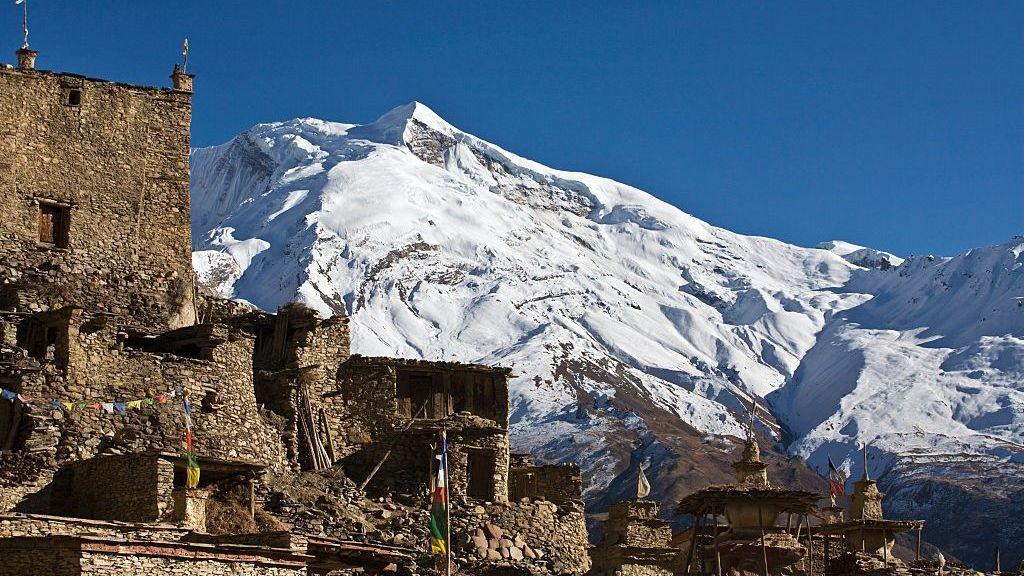
On Sunday morning, a massive avalanche ripped through the base camp of Himlung Himal in Nepal’s Manang district, trapping local climbers and support staff. Six or more members of the Nepali team were reported missing, while rescuers have recovered two bodies from the wreckage.
The 7,126‑metre peak, which lies on the Nepal‑Tibet border, had been forecast to receive heavy snowfall in recent days. The avalanche hit a group that had been preparing the site for foreign climbers, fixing ropes and setting up camps.
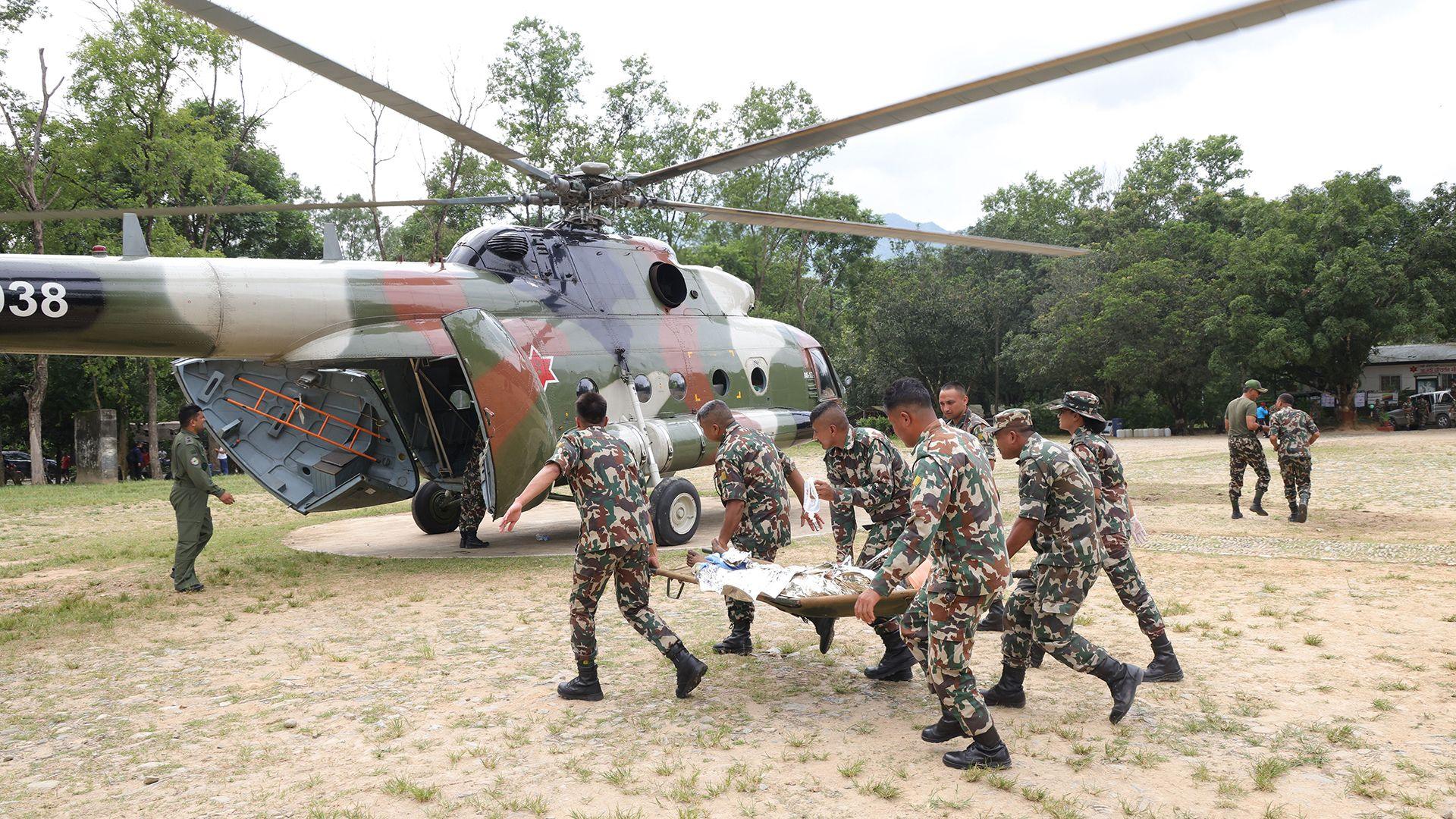
Emergency crews from Kathmandu were air‑lifted to the scene, but thick snow and low clouds kept helicopters grounded, delaying the search. A dedicated rescue team of experienced mountaineers is continuing the operation on Monday as conditions improve.
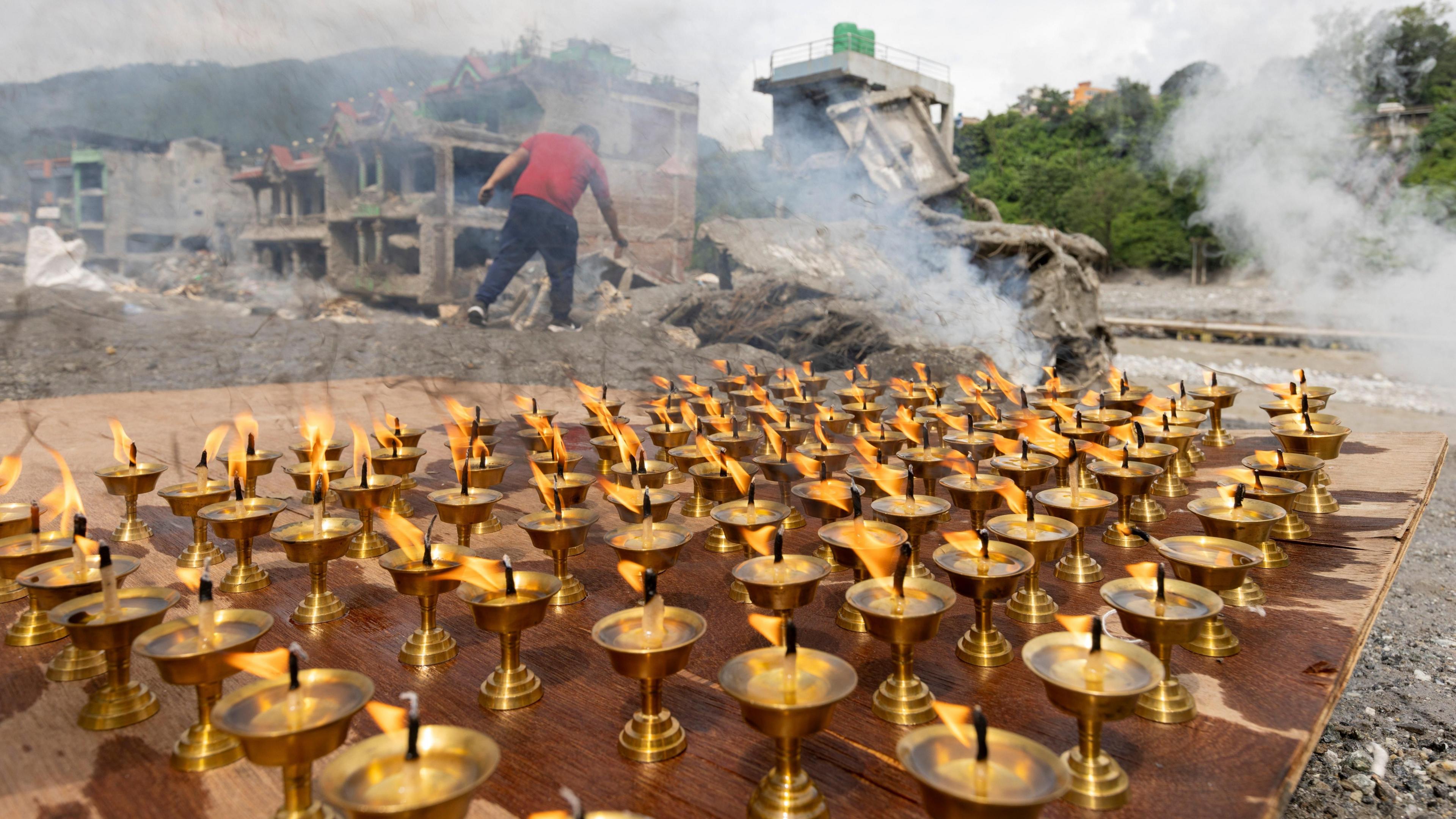
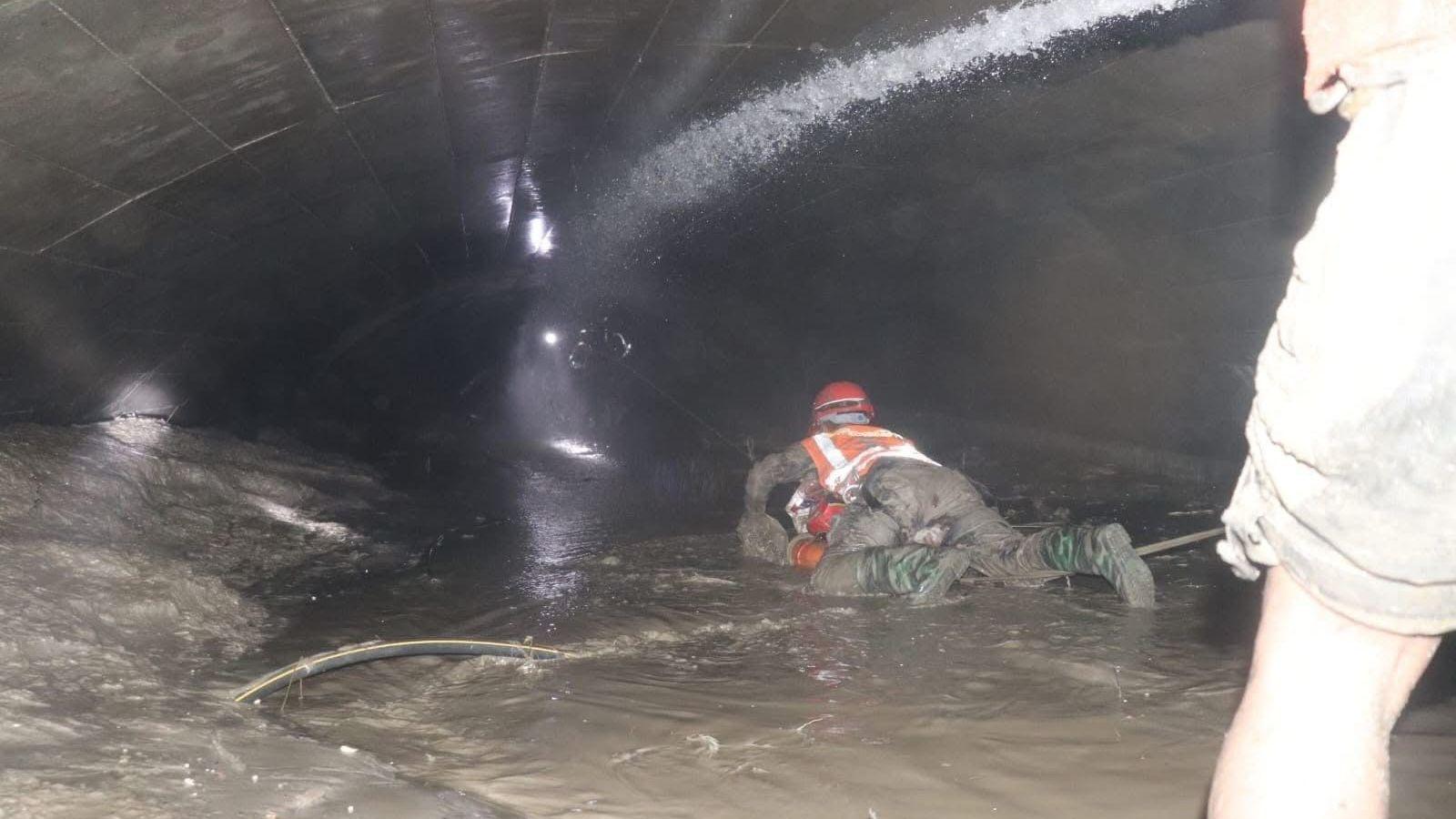
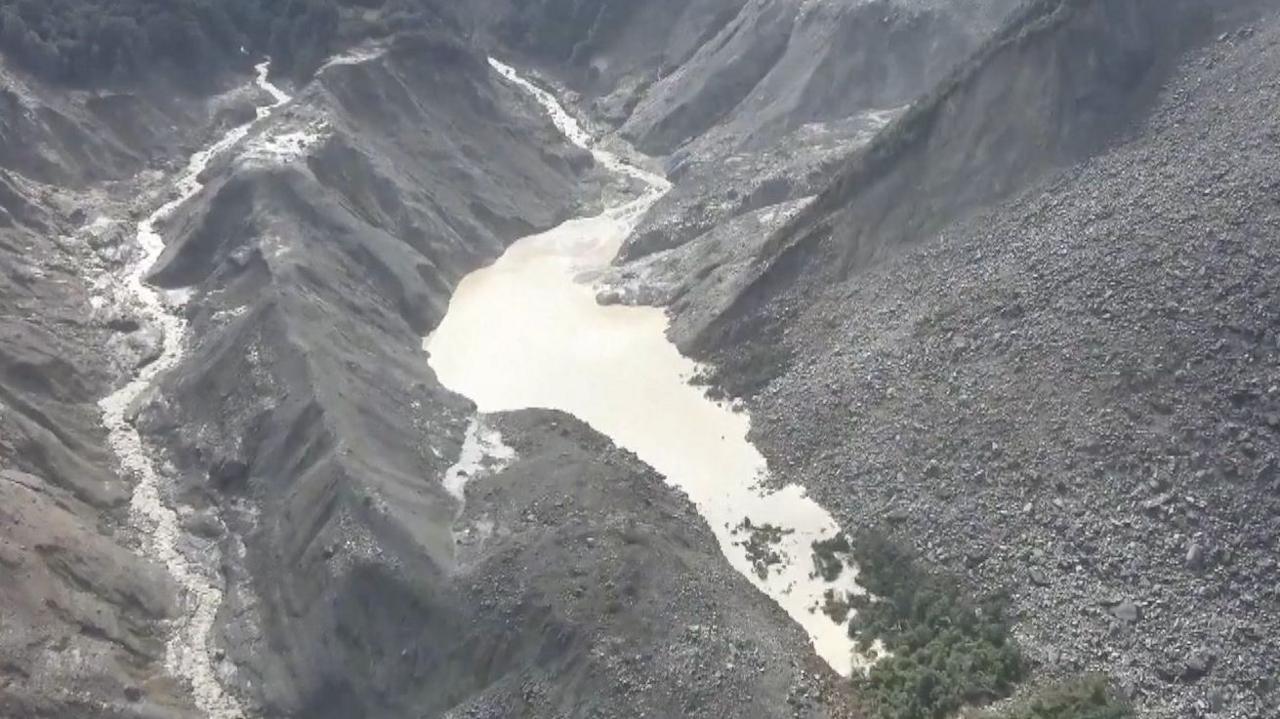
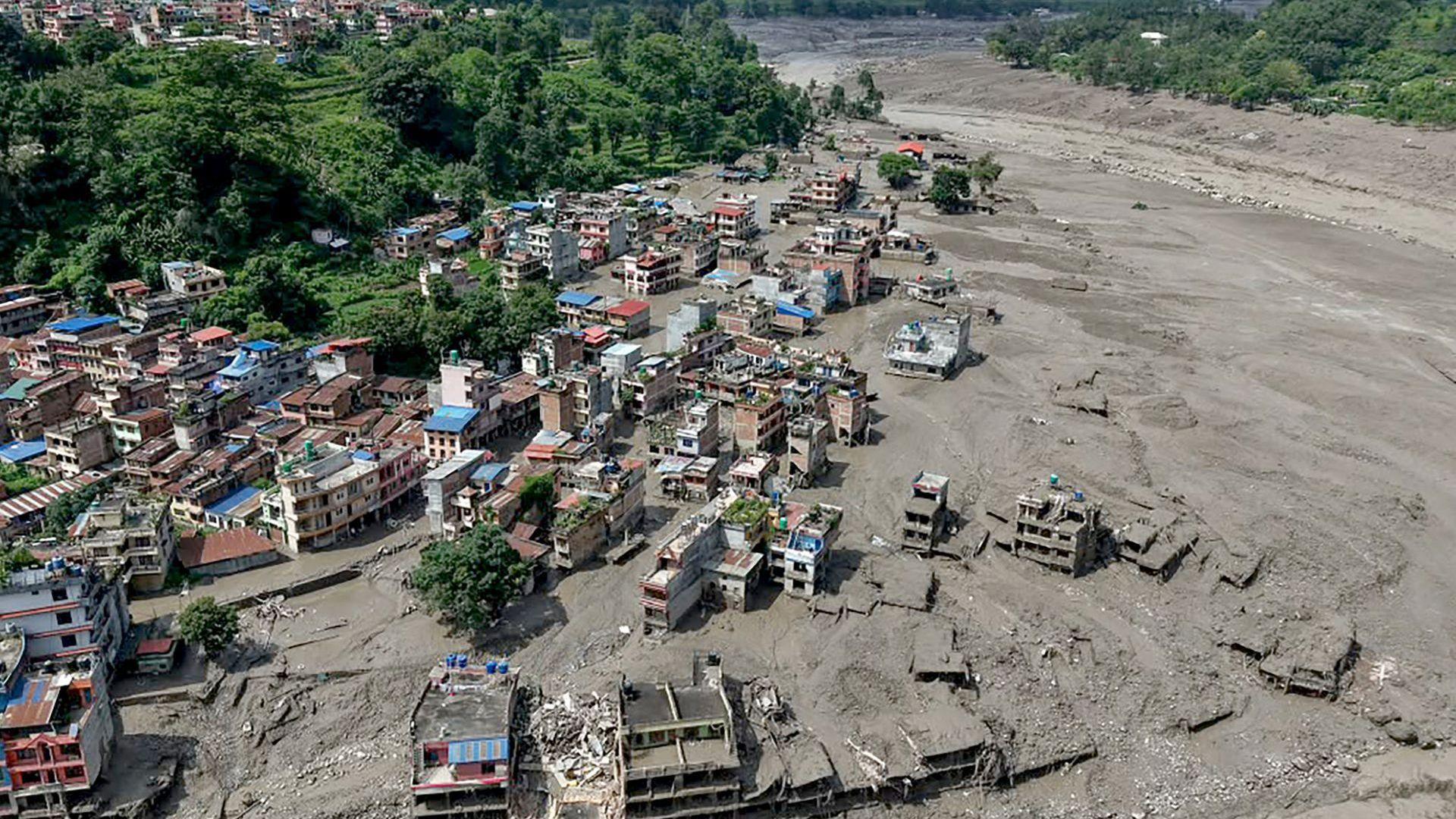
This tragedy follows other recent mountain disasters: six climbers died on Pakistan’s Broad Peak, and Nepal’s western region still has over 6,000 missing souls from the August flood and landslide on the Nepal‑Tibet border.
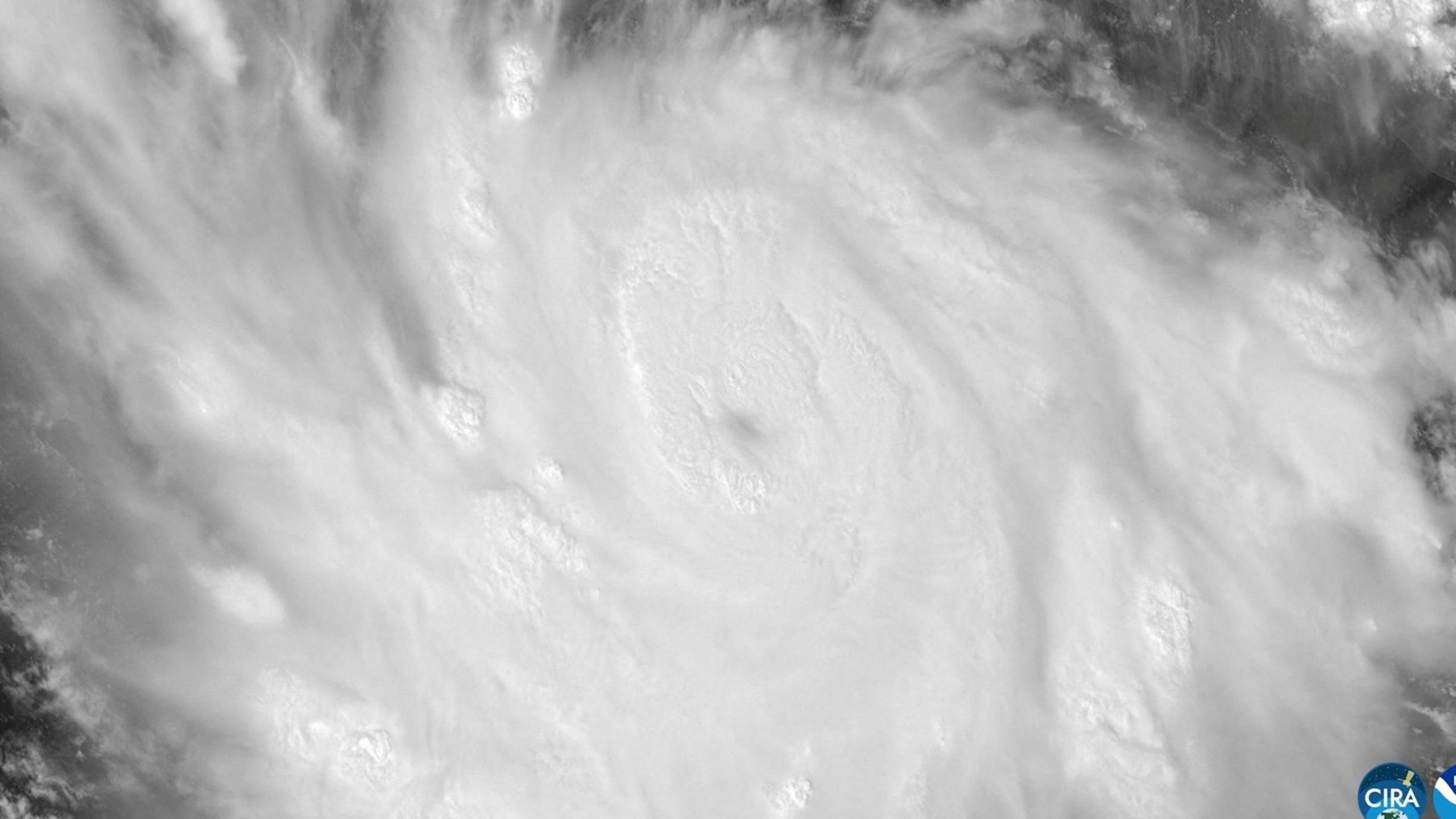
Beyond the Himalayas, the region faced a deadly typhoon that triggered landslides in Tokyo, while heavy monsoon rains turned Bangkok into a flooding emergency. These events underline how rising temperatures and intense storms are threatening lives on the ground.
The climbing community and local economy now face a stark reality: safer routes and better forecasting will be crucial if Nepal is to protect the thousands of foreign and domestic climbers who rely on the mountains for adventure and income.