In brief
A catastrophic flash flood along the Nepal‑Tibet border has left more than 1,100 dead in Nepal and over 4,000 missing, most of whom are still unaccounted for a week after the disaster. Rescue crews are pushing through the icy valleys, using heavy machinery, drones, and helicopter support to clear roads, rebuild bridges and search for survivors among thousands of displaced families. The UN and local governments have launched a four‑month humanitarian appeal to provide relief, medical care, food and shelter for the many who lost homes and kin. Drones now scan the remote villages and the UN stresses the key challenge is access, as more than 40 bridges were destroyed and many villages remain isolated by swollen rivers.
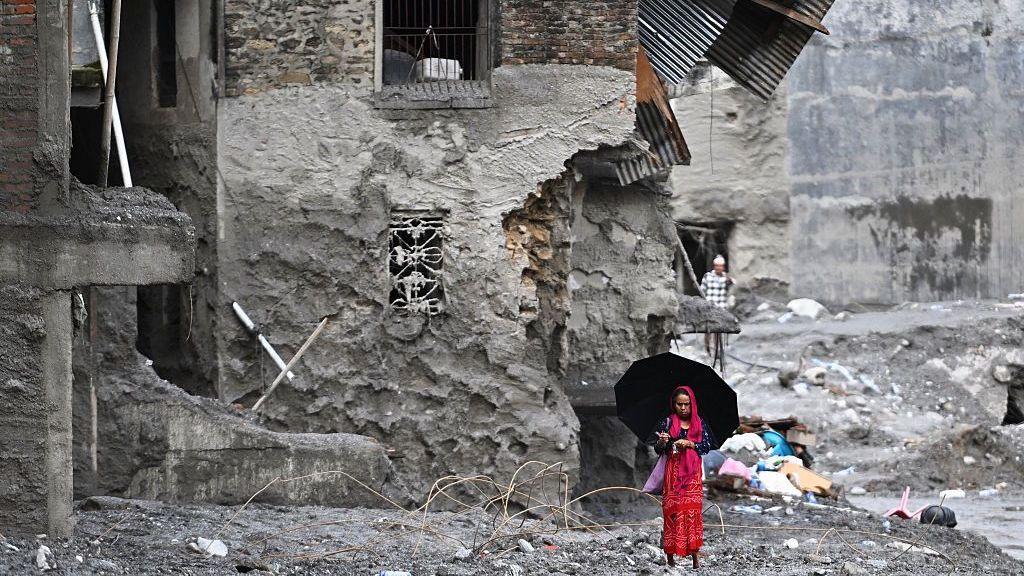
A flash flood last week destroyed villages along the Nepal‑Tibet border, claiming more than 1,100 lives in Nepal alone and leaving over 4,000 people missing. The disaster, likely triggered by a glacial collapse, has shifted the focus from immediate rescue to long‑term recovery and relief operations.
In Tibet, Chinese state media reports 16 deaths and more than 500 people unaccounted for, though detailed information remains scarce because journalists cannot easily enter the region. The United Nations Office for the Coordination of Humanitarian Affairs (OCHA) says the response has entered a new phase where access is the biggest hurdle; more than 40 bridges have been destroyed and many remote villages rely on helicopter flights for supplies.
Rescue teams are now deploying heavy machinery to clear debris, building temporary bridges, and using drones to scan hard‑to‑reach areas. In Nepal, hundreds of workers, possibly trapped in hydropower tunnel tunnels, are also being searched for by search‑and‑rescue experts.
Beyond saving lives, authorities aim to provide humanitarian assistance, identify remains, reunite family members, and offer psychosocial support to those displaced. The UN and the Nepal government have agreed on a four‑month appeal to supply food, medicine, shelter and flood‑preparedness training, as the monsoon season threatens to spread disease in overcrowded shelters.
With the flood’s full impact still unclear, the international community remains vigilant, monitoring the evolving situation and urging responsible handling of the disaster’s aftermath by all parties involved.