In brief
The UN’s top climate voice says we’ve slipped into a danger zone of extreme weather as a super‑El Niño heats up the planet. Scientists predict sea temperatures could rise 4 °C in parts of the Pacific, turning this the strongest event in over 70 years and threatening to last until February 2027. Droughts and wildfires in Southeast Asia, heavy rains in Australia, and more powerful typhoons in China are just the beginning. Governments are racing to pad early‑warning systems, drop relief at sea, and help millions prepare for the worst. Look out for rising seas, surprise storms and the urgent call to act.
A super‑El Niño is rolling across the globe – think Earth’s biggest heat‑wave flare‑up, but it’s more than just a sunny day.
UN chief António Guterres warns that the planet has slipped into a “danger zone of extreme weather.” Scientists say sea temperatures in the Tropical Pacific are leaping over 4 °C above normal, making this the strongest El Niño in more than 70 years and a threat that could last until February 2027.
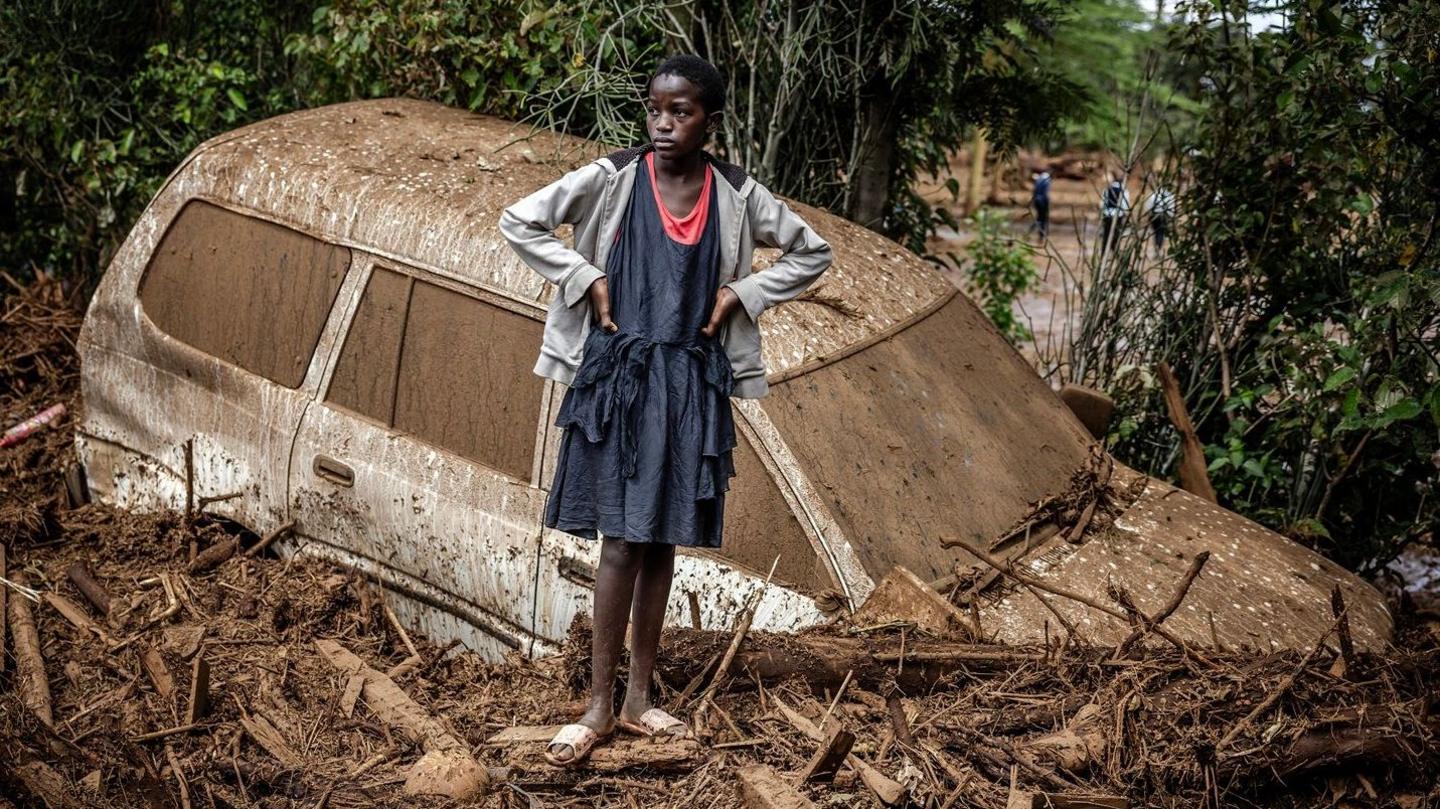
That colossal heat means drought and wildfires in places like Indonesia and Southeast Asia, while other regions get the opposite effect – huge typhoons, torrential rains, and flood‑prone coastlines in China, Australia and the southern US.
Governments are tightening early‑warning systems, moving pre‑emptive medical teams, and the US has sent a relief ship to Peru to help communities when the El Niño peaks.
The chance of droughts, floods, and record‑breaking storms is climbing as global temperatures rise, and experts say climate change could be tipping El Niño even harder. It’s a race against time to get people ready and boats, catamarans and already recovered coral back to safe spots before the wave hits.**