In brief
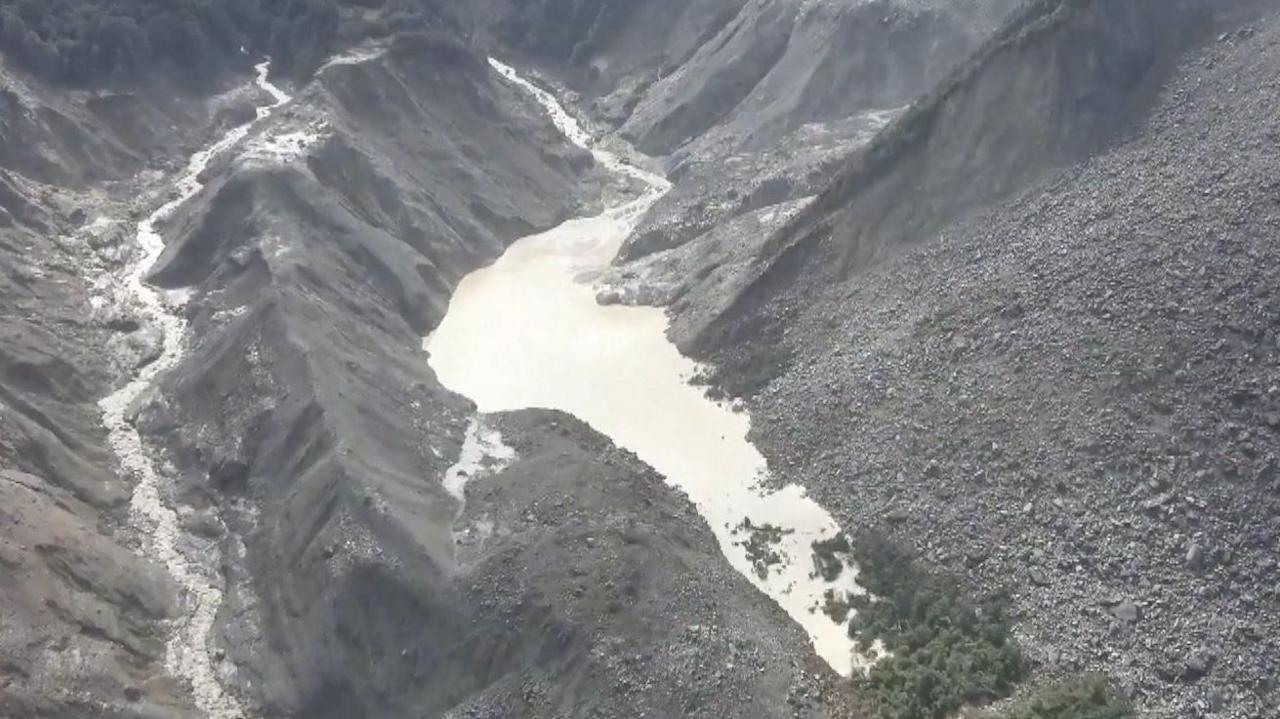
A massive landslide and glacier collapse left a barrier lake high on the reservoir near the Nepal‑Tibet border. China’s Ministry of Water Resources says the lake has already started to overflow, with 2.5 million cubic metres of water trapped behind the debris dam. Engineers are staked out to monitor levels, but rising rain and expected inflow of 3 million cubic metres could cause the lake to breach, sending another surge downstream. The flood on Wednesday killed hundreds in Nepal and left many missing in Tibet, with an urgent call for people to stay away from rivers and riverside villages.
The boundary between Nepal and Tibet is under siege. A huge landslide and the sudden collapse of a glacier have created a barrier lake, trapping about 2.5 million cubic metres of water behind a natural dam built from mud‑and‑stone debris. What’s the danger? Chinese officials say the lake is already spilling over. If the dam fails, the water could rush downstream in a second, deadly flood—potentially sweeping villages, roads, and towns. The lake is fed by heavy rains and heavy inflow expected over the weekend, putting it on the brink. Emergency response Engineers and rescue teams are monitoring the situation 24/7. Yet many have been forced to suspend search and rescue operations because the instant danger of a lake breach is too high. The major corridor linking Nepal and China, Gyirong Port, is just 7 km away. Missing and destroyed The flash flood that struck on Wednesday left hundreds dead in Nepal and more than 550 missing on the Tibetan side, many foreigners. Both sides have warned residents to avoid river crossings as the threat of more debris and water continues.