In brief
Last Sunday, anti-ICE protesters made headlines when they interrupted a service at Cities Church in St. Paul, Minnesota. This unusual act of civil disobedience raises legal and ethical questions about protesting within sacred spaces. While some defend the right to protest, others express concern over the potential disruption of worship. The protests highlight an ongoing conflict between immigration enforcement and community safety, drawing both support and criticism from faith leaders.
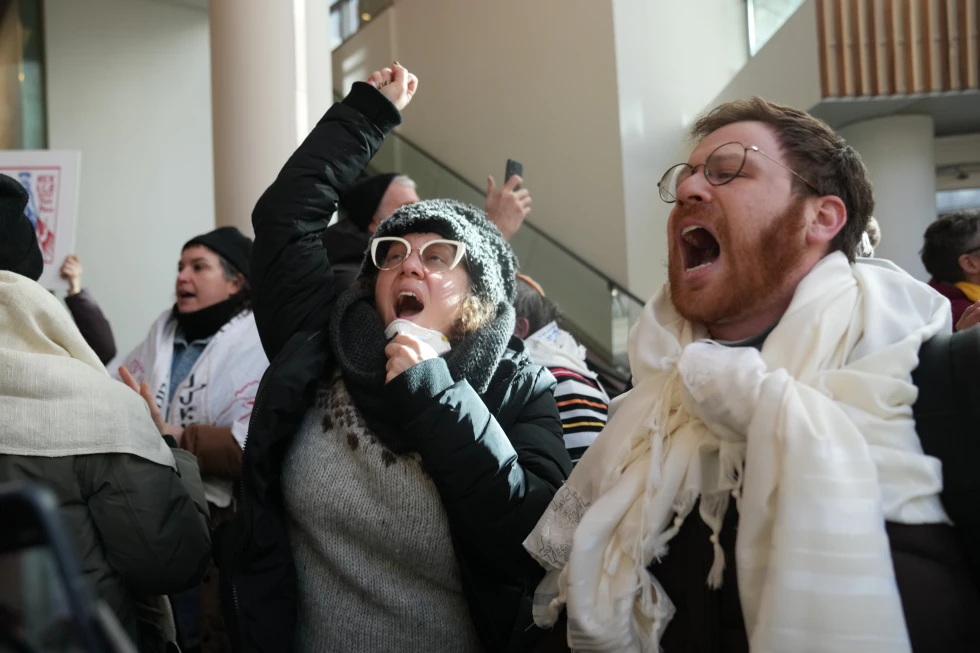
American religious history has long featured moments of protest and civil disobedience. However, political protests inside houses of worship remain a rarity. In an unprecedented move, a group of anti-ICE activists disrupted a church service at Cities Church in St. Paul, Minnesota, last Sunday. The protest aimed at highlighting immigration issues was particularly charged, as one of the church's pastors works for U.S. Immigration and Customs Enforcement (ICE). Following the incident, three protesters were arrested on federal charges.Legal experts have weighed in, noting that disrupting a worship service could violate civil rights laws. Yet, this act of civil disobedience mirrors past movements, where protests played a crucial role in sparking social change. Activists, including civil rights attorney Nekima Levy Armstrong, justified their actions by stating that urgent issues necessitate radical tactics.While certain faith leaders support the peaceful progression of immigration reform, many condemn the disruption of a sacred space. Bishop Mariann Budde and Kevin Ezell, president of the Southern Baptists’ North American Mission Board, both expressed grave concerns over the implications of protests within churches. As debates rage over the intersection of faith and activism, this incident raises critical discussions about the sacredness of worship spaces and the methods by which communities express dissent.